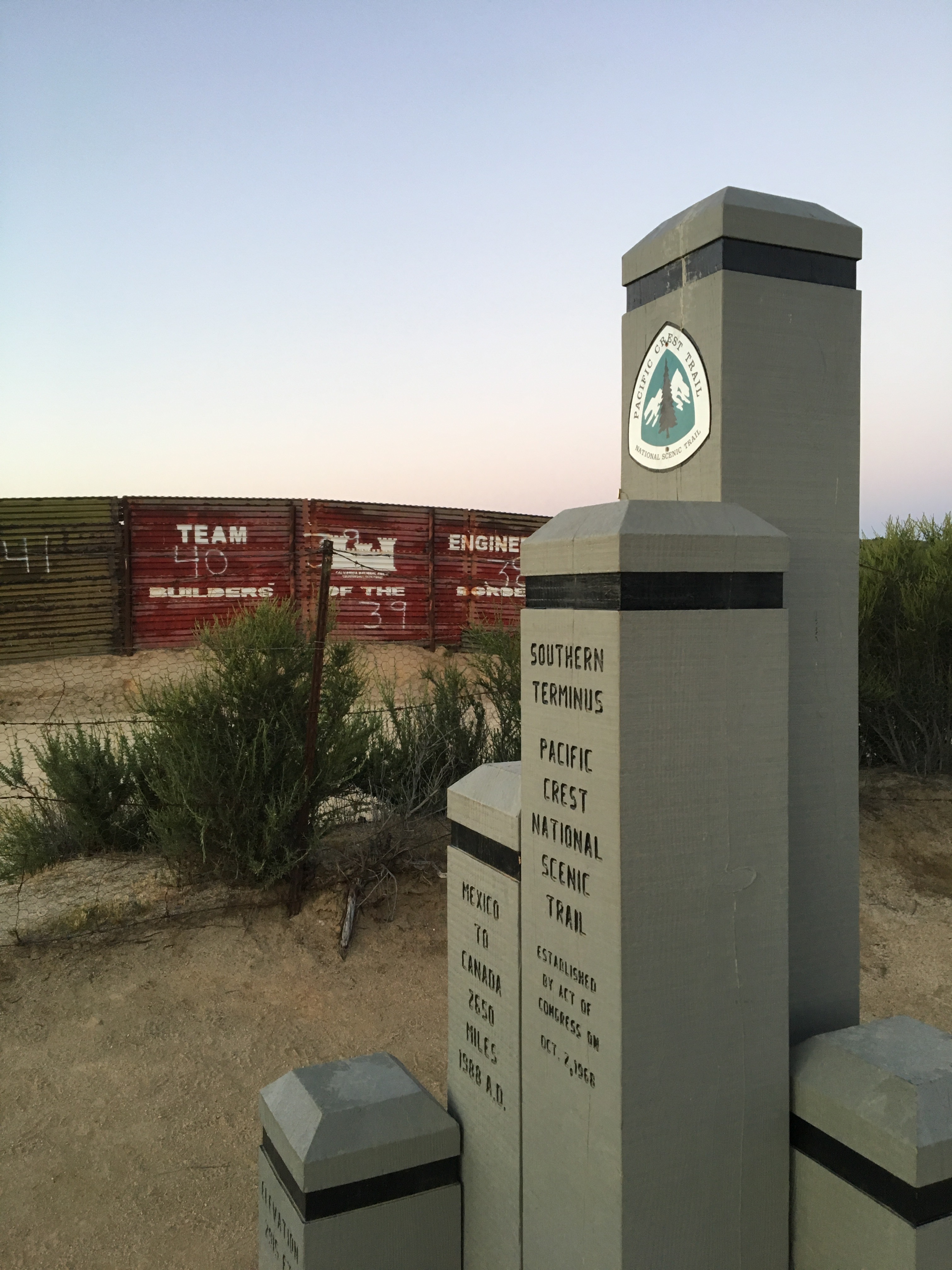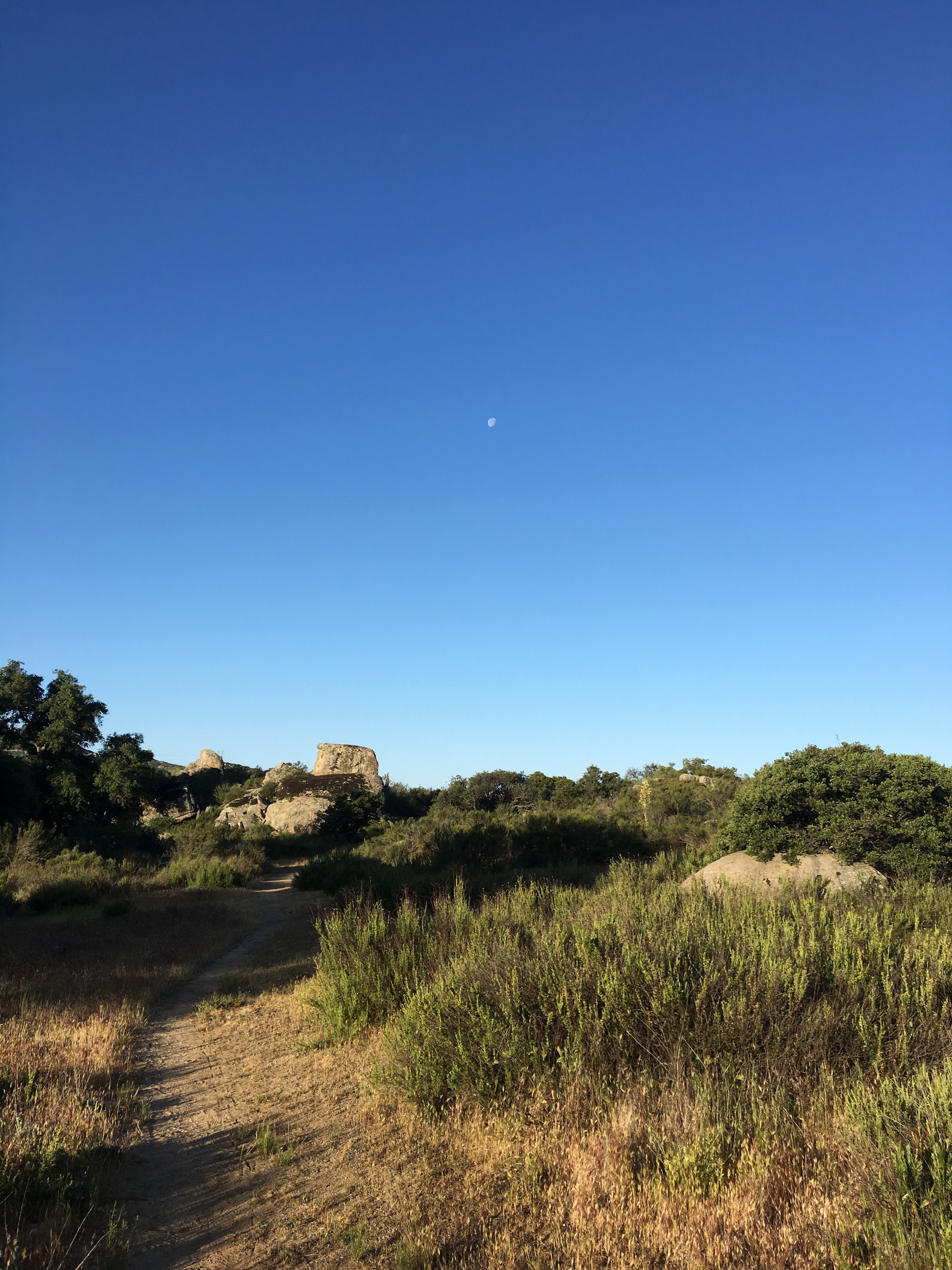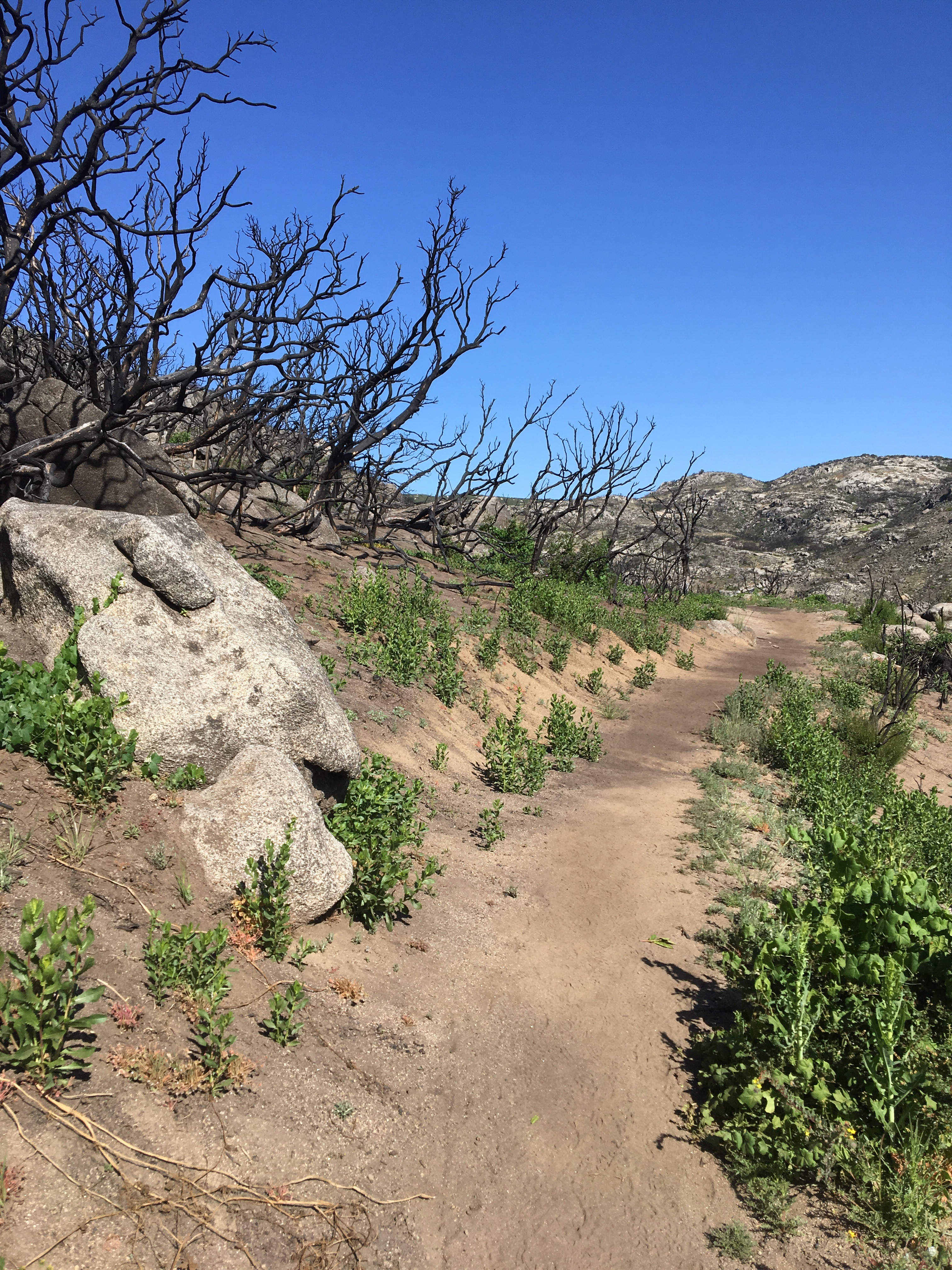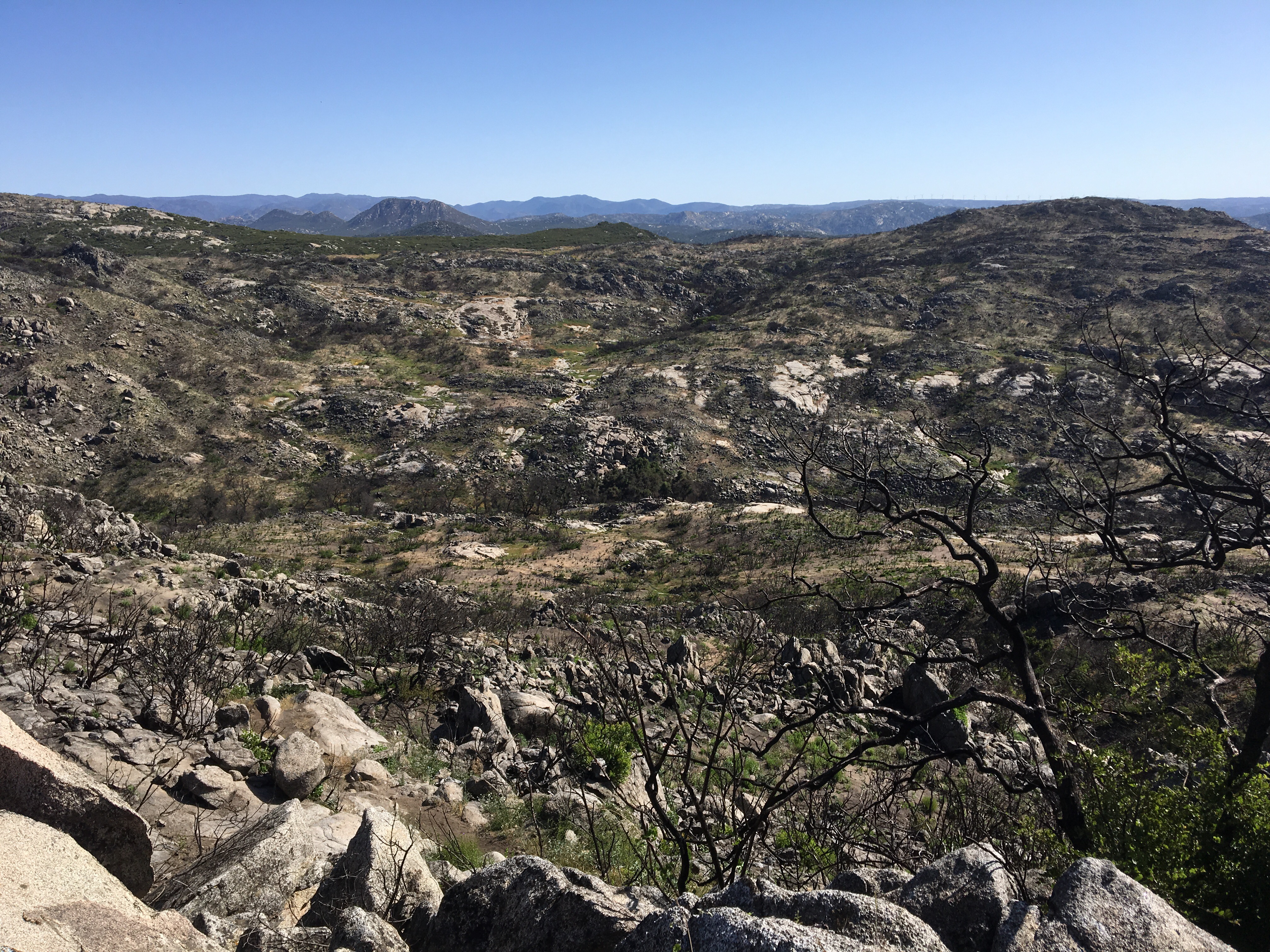
Day 5 – Mile 77.3, Julian, CA

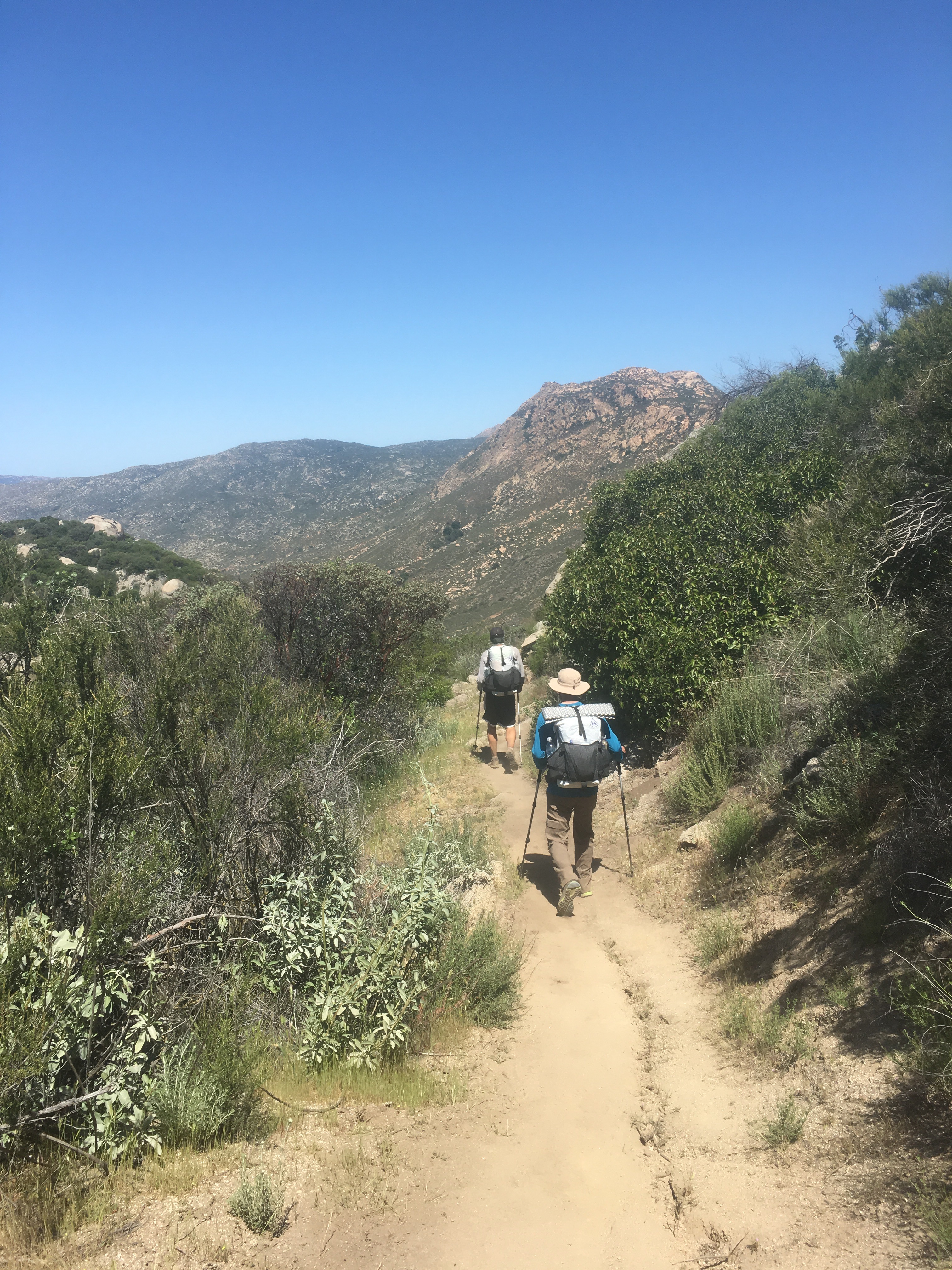
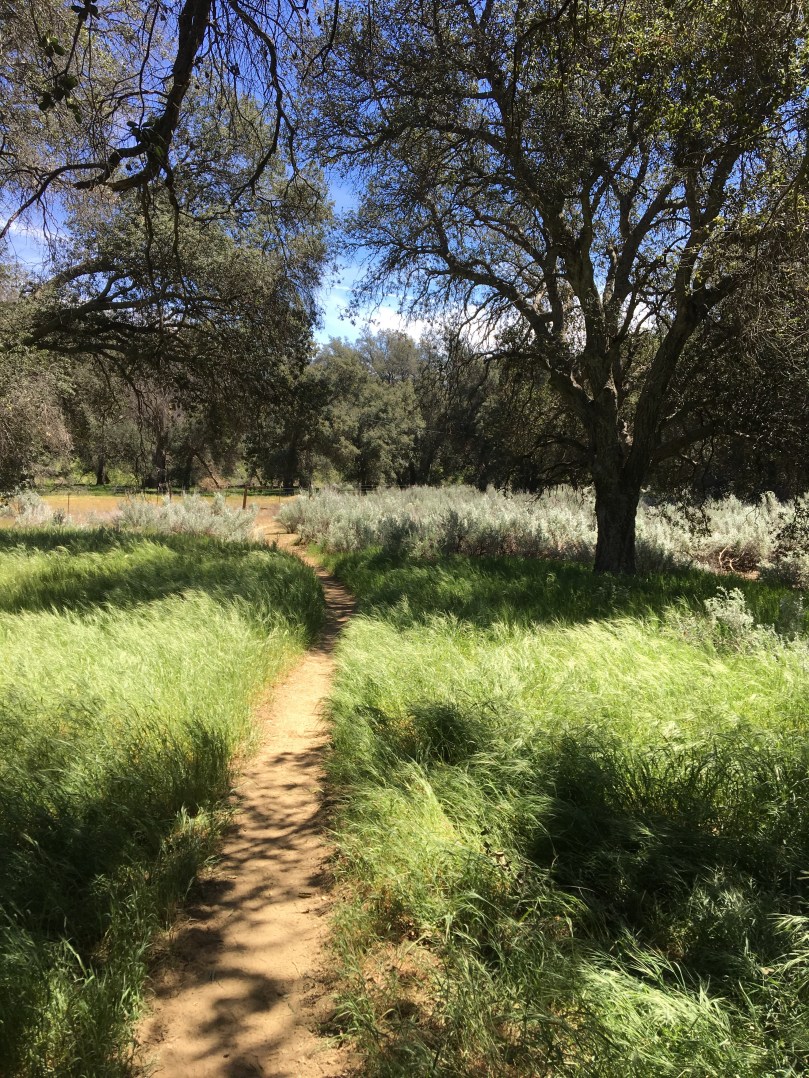
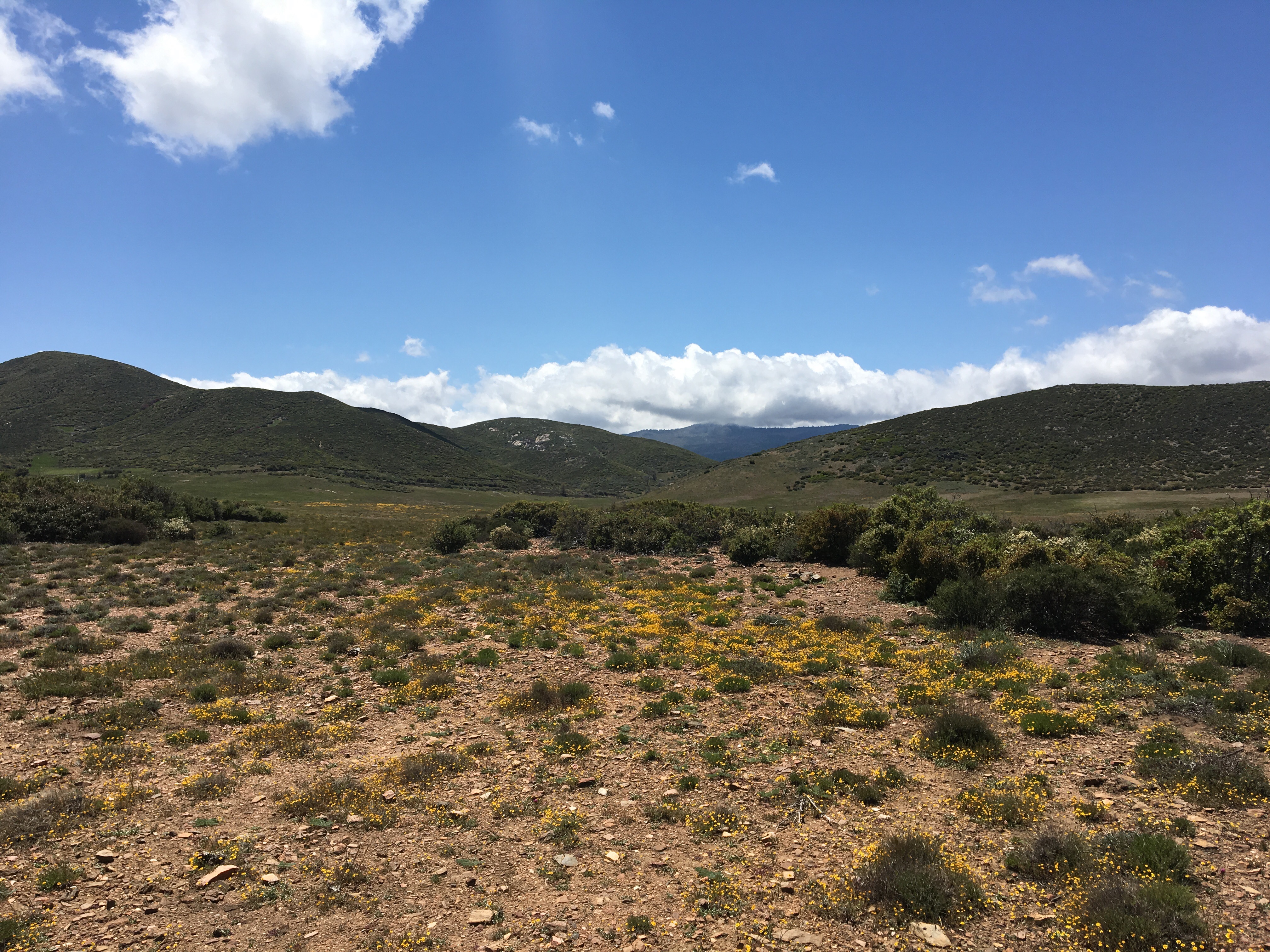
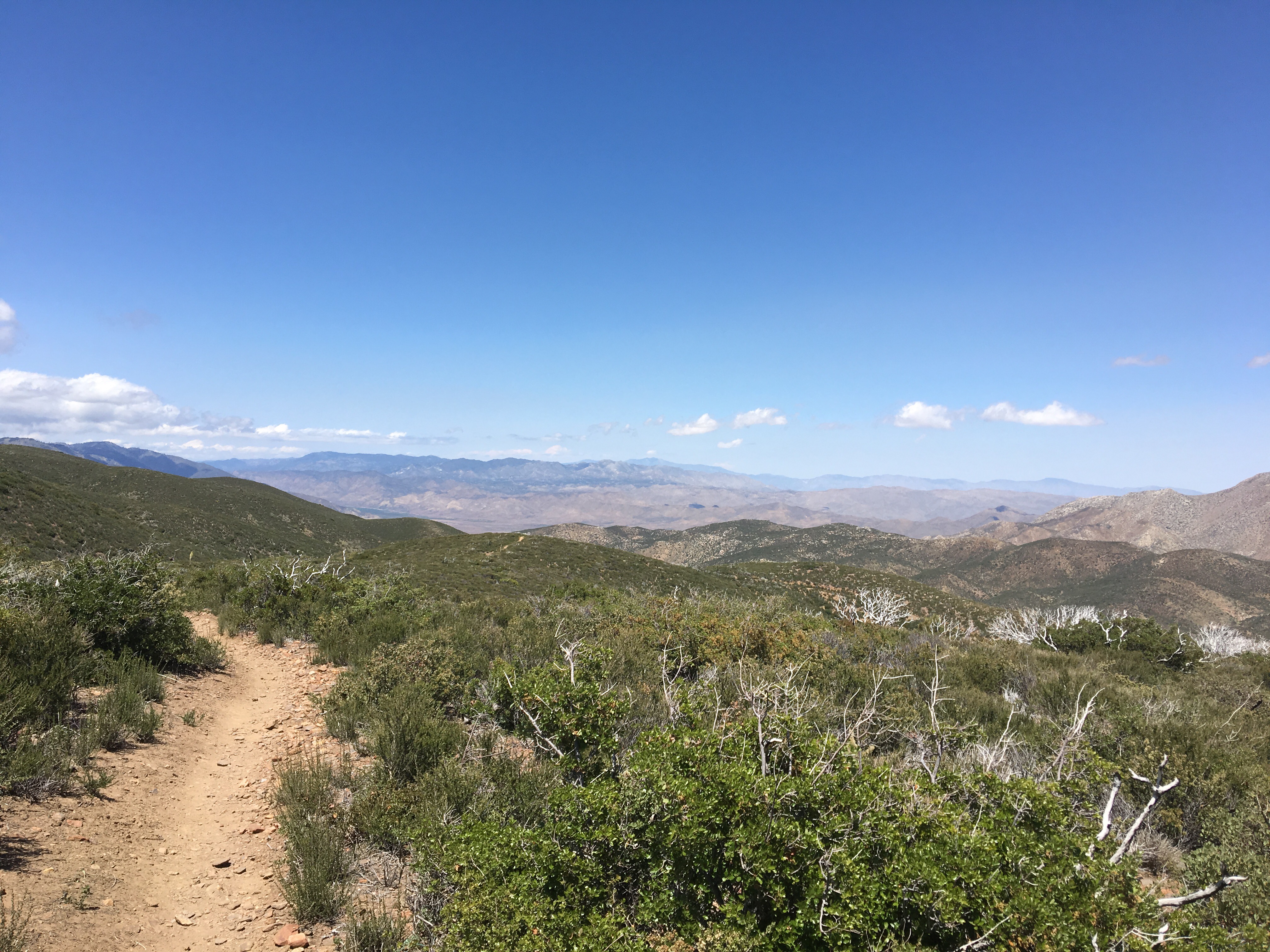
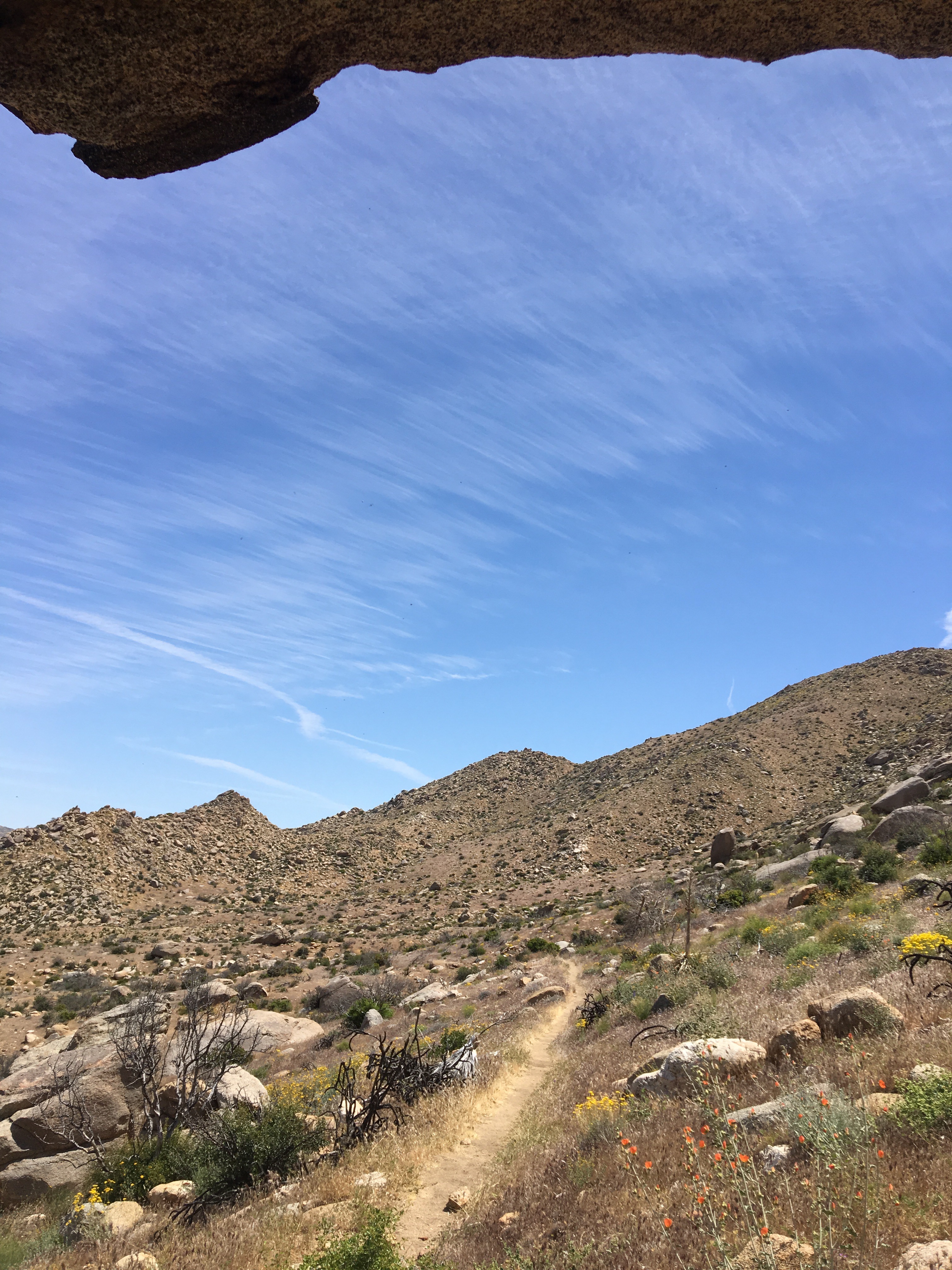
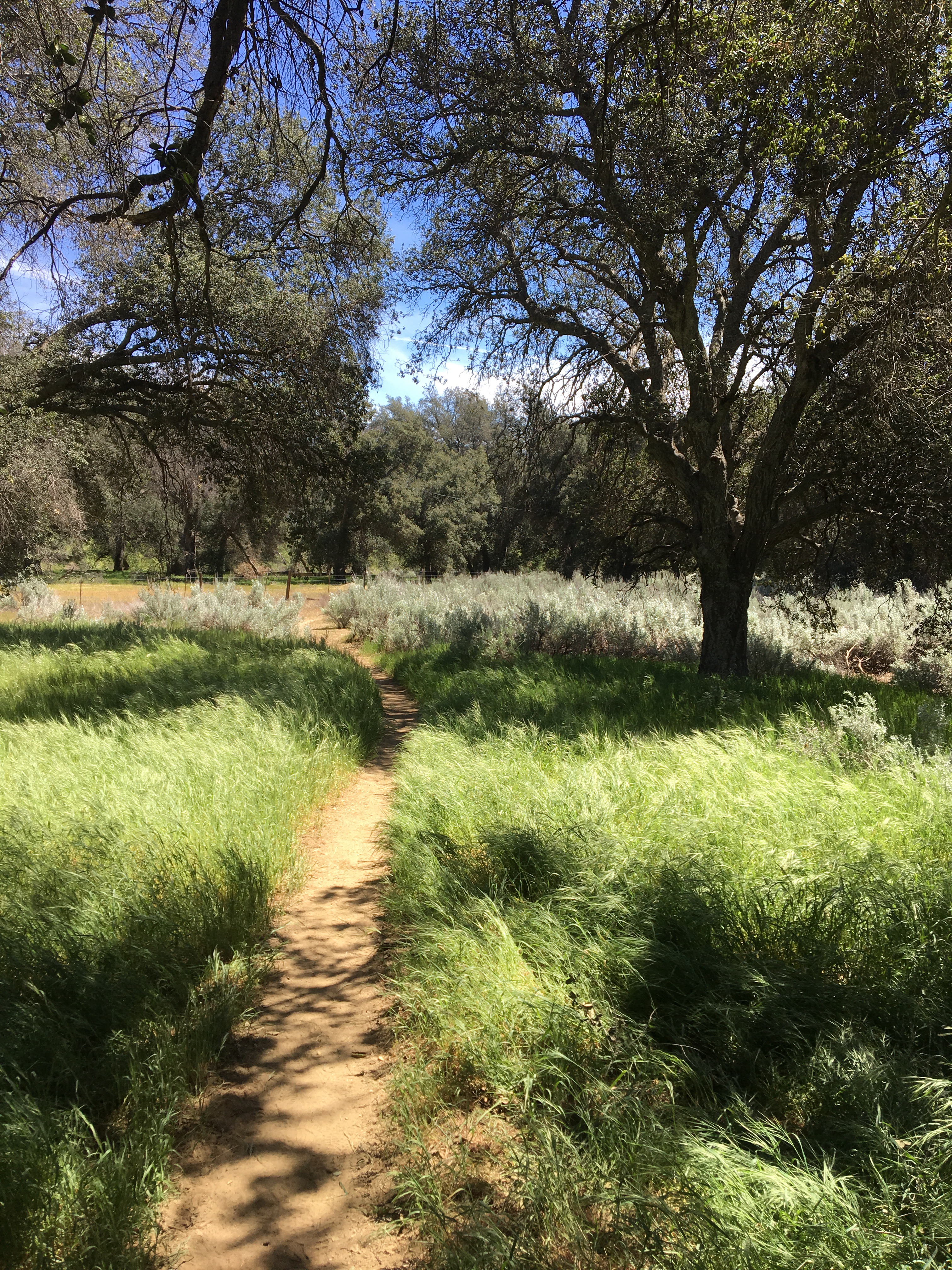
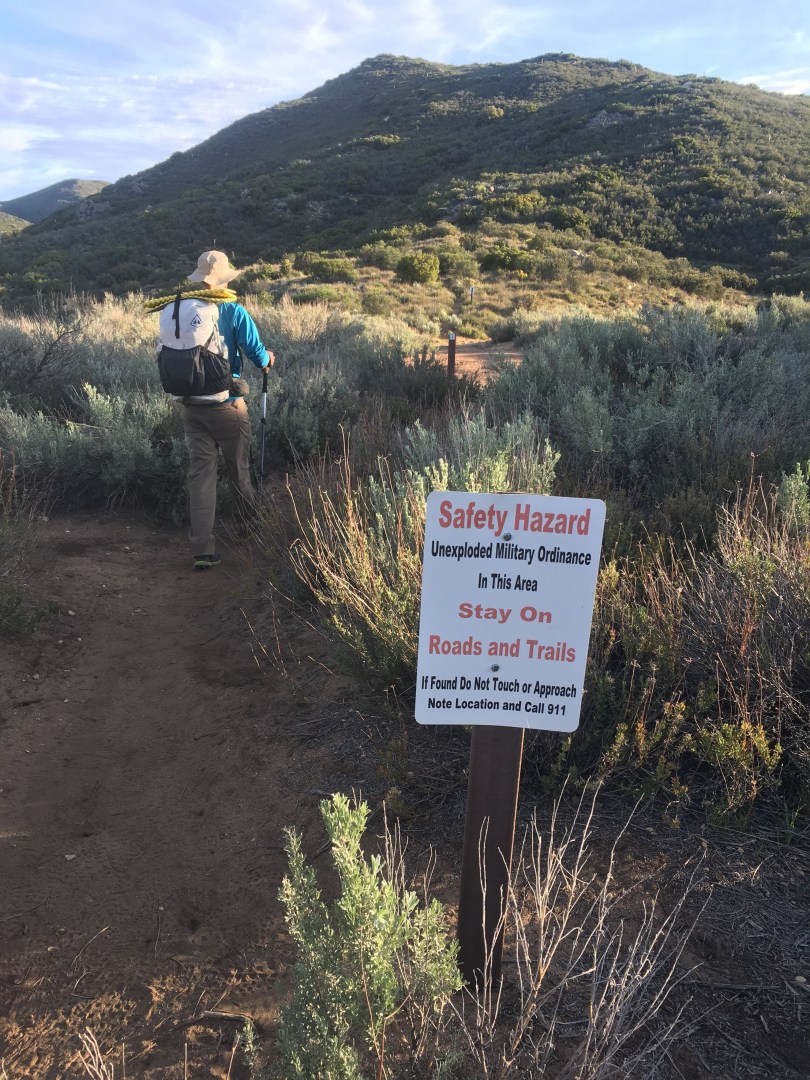
We’ve made it to Julian, CA after a solid 5 days.  Starting with a ~15 mile/day pace seems to work well – as does hiking from about 6:30-13:00ish.  It’s amazing how easy it is to switch into the natural circadian cycle with the sun.  I’ve jotted down a few notes and pictures from each day below…

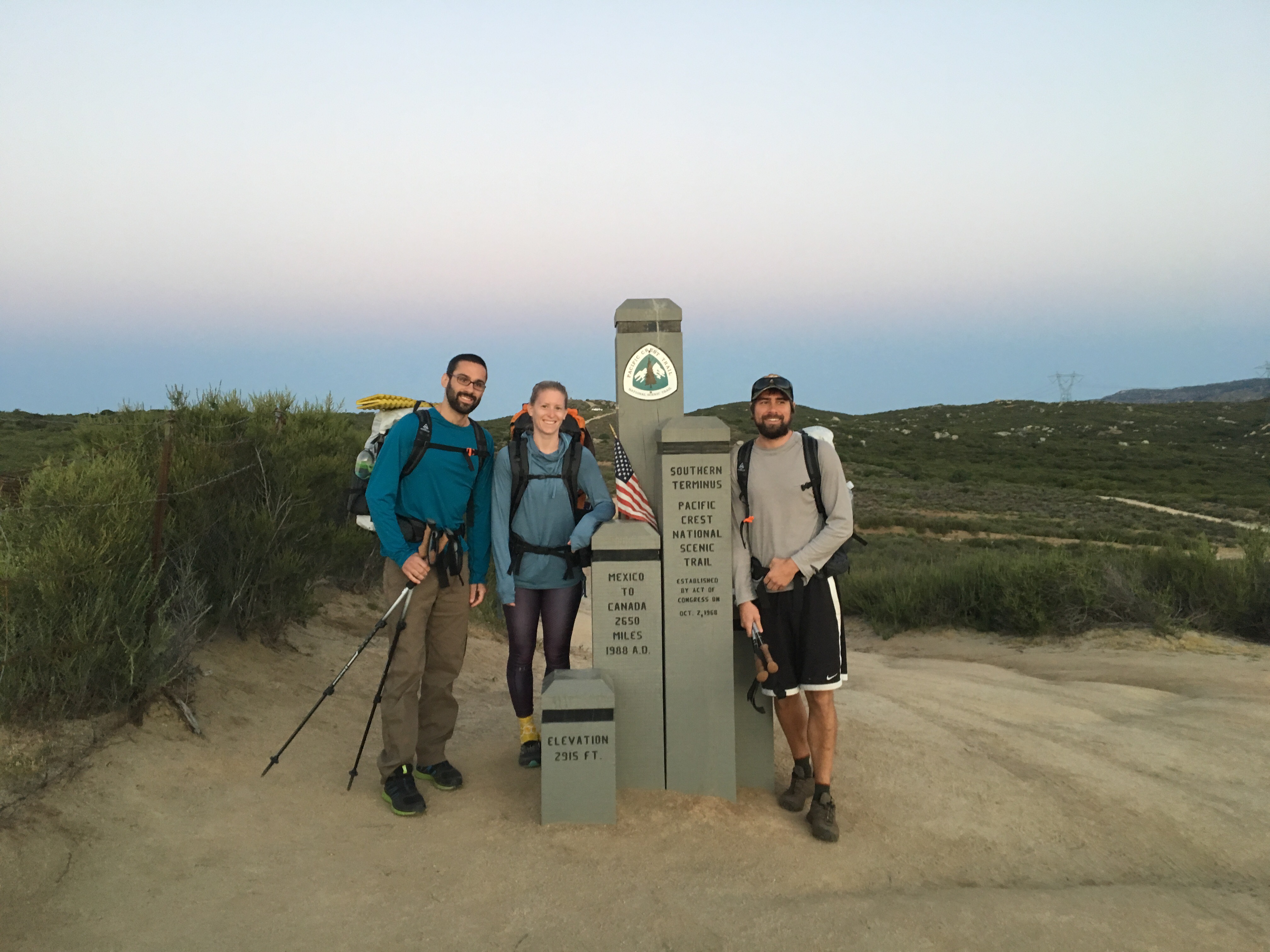
Day 1 – camped at mile 15.4, Hauser Creek.  About 25 people at the site, mostly European/Australian with some Scandanavians as well.  Everyone uses the metric system, with good reason, guess I’ll have to start thinking in Celsius.  Saw a rosy boa (?) and a couple horned lizards, but no rattle snakes yet.

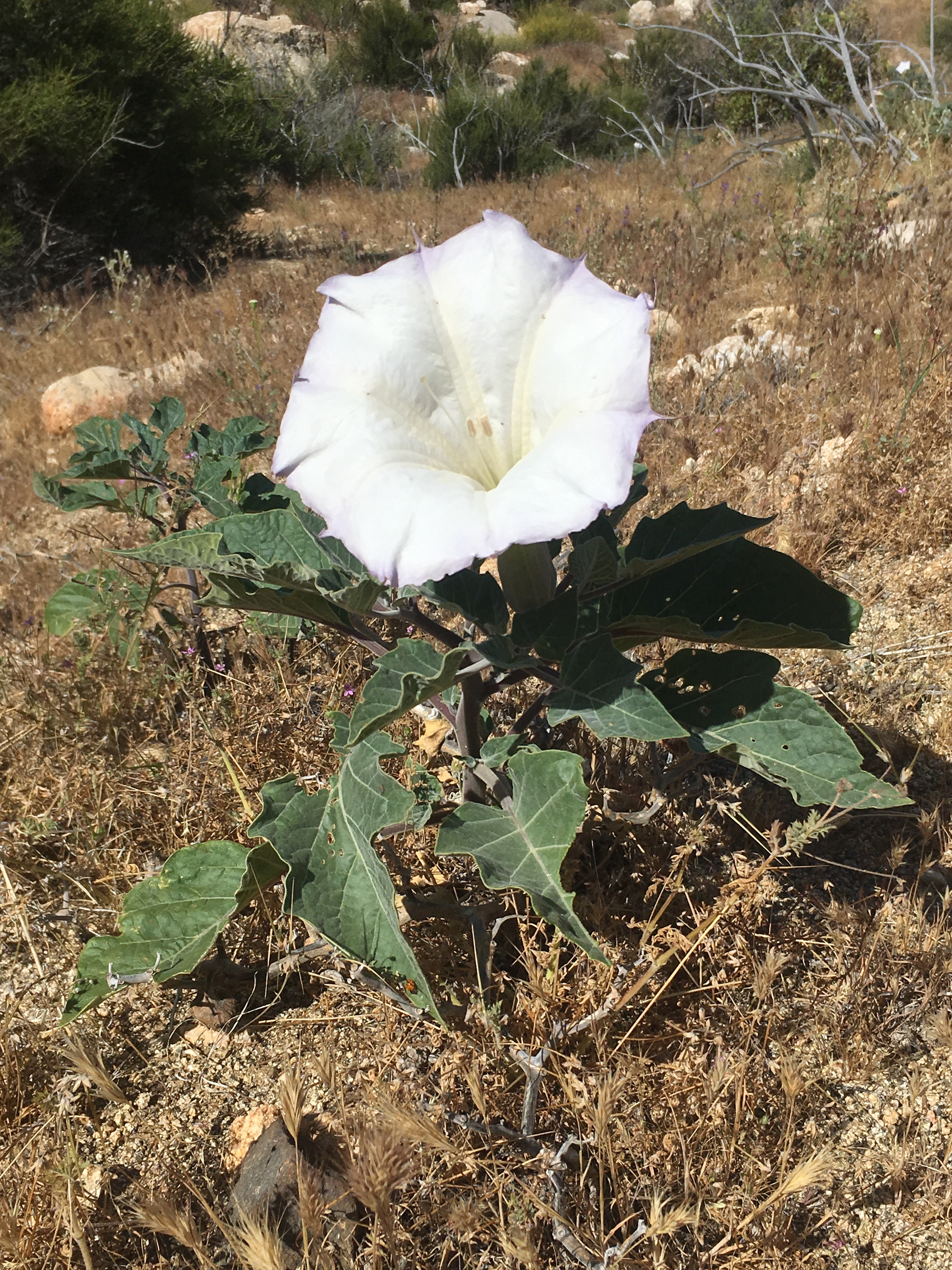
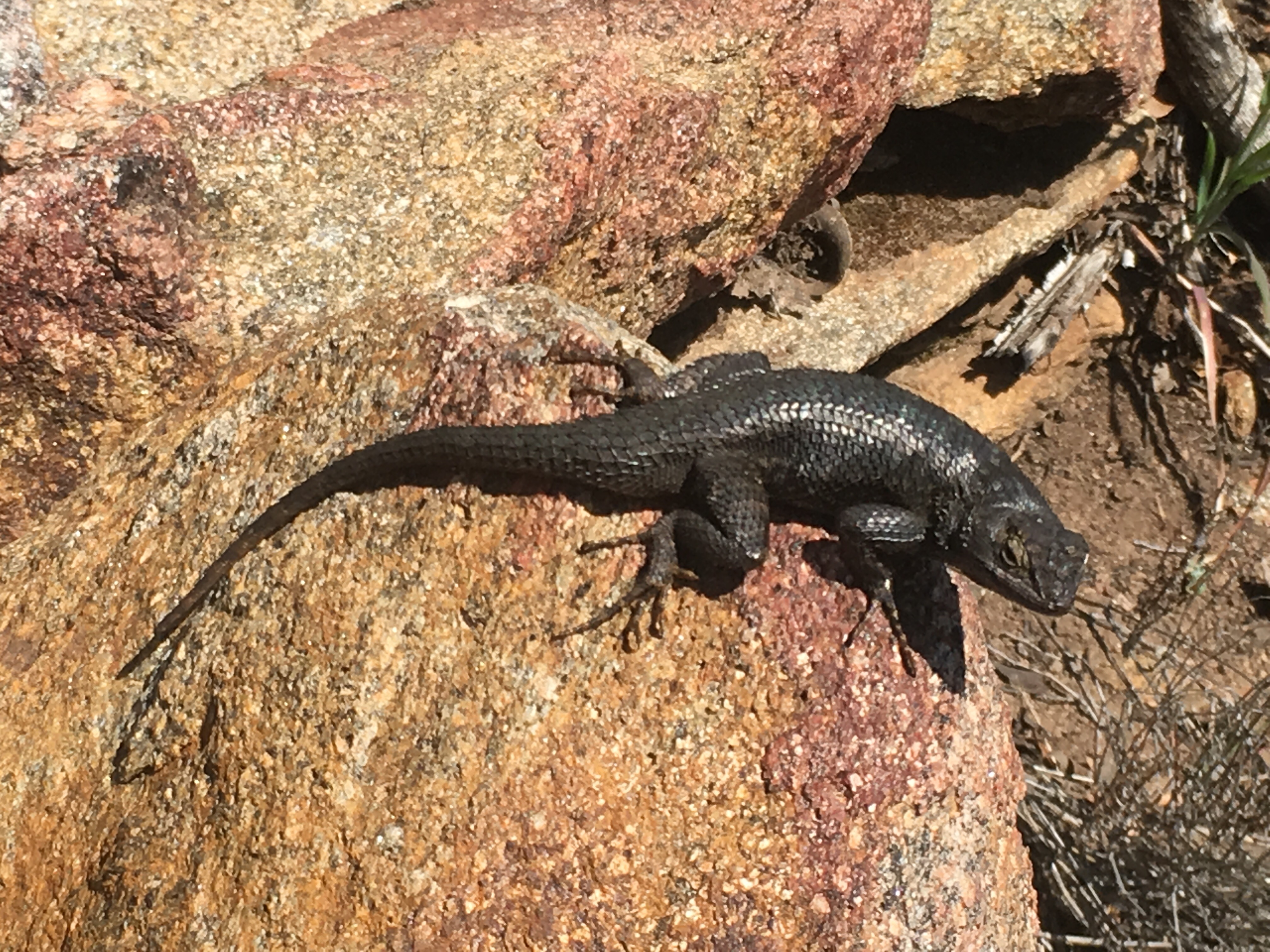
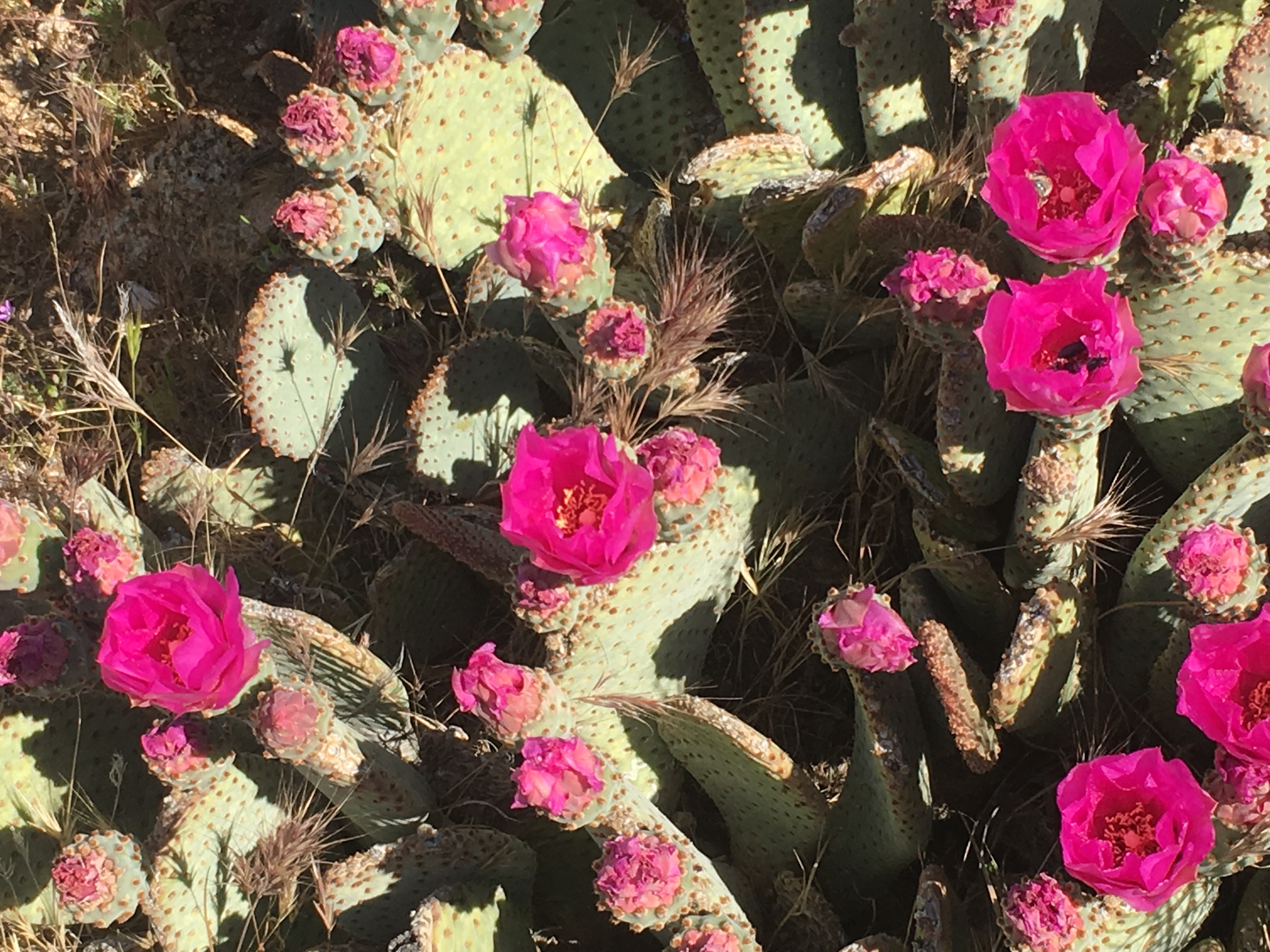
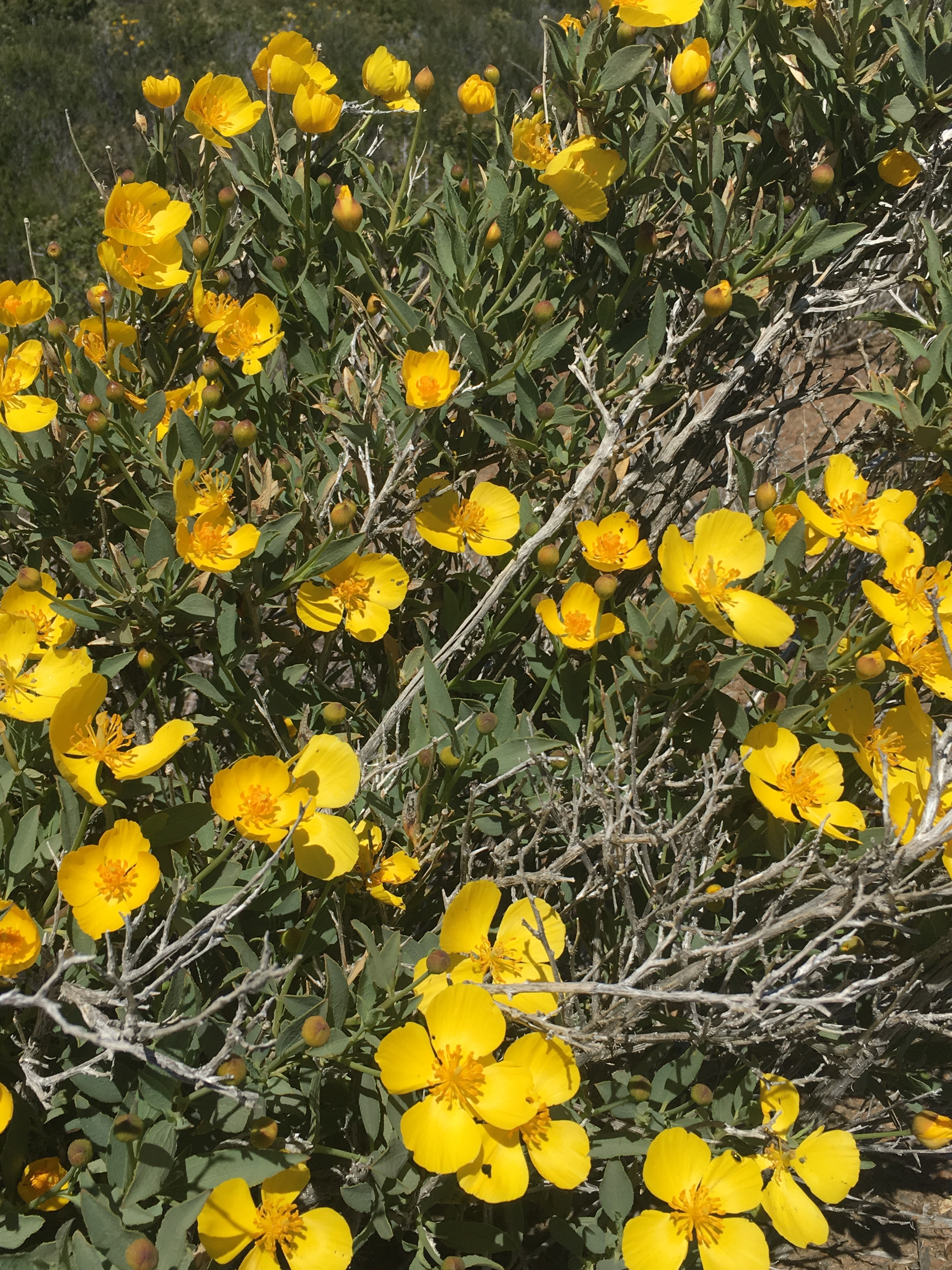
Day 2 – camped at mile 32, Fred Canyon.  Started the day with a huge climb out of Hauser Canyon, brutal.  Shit is getting real, we are getting into the swing of the backpacking routine, it’s been awhile for all of us.  Tons of herpatiles and flowers though – all photos of em by Sara of course.
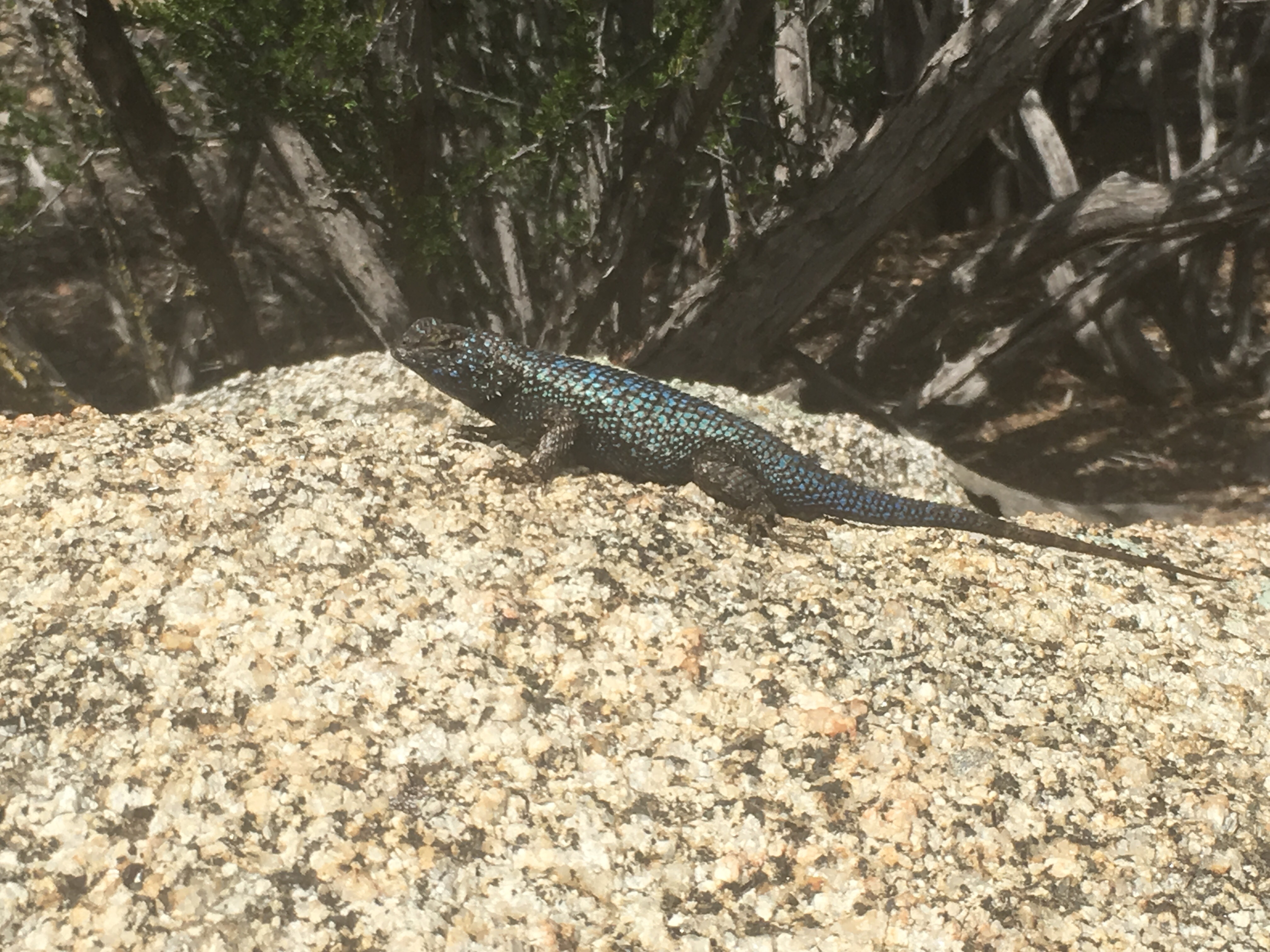

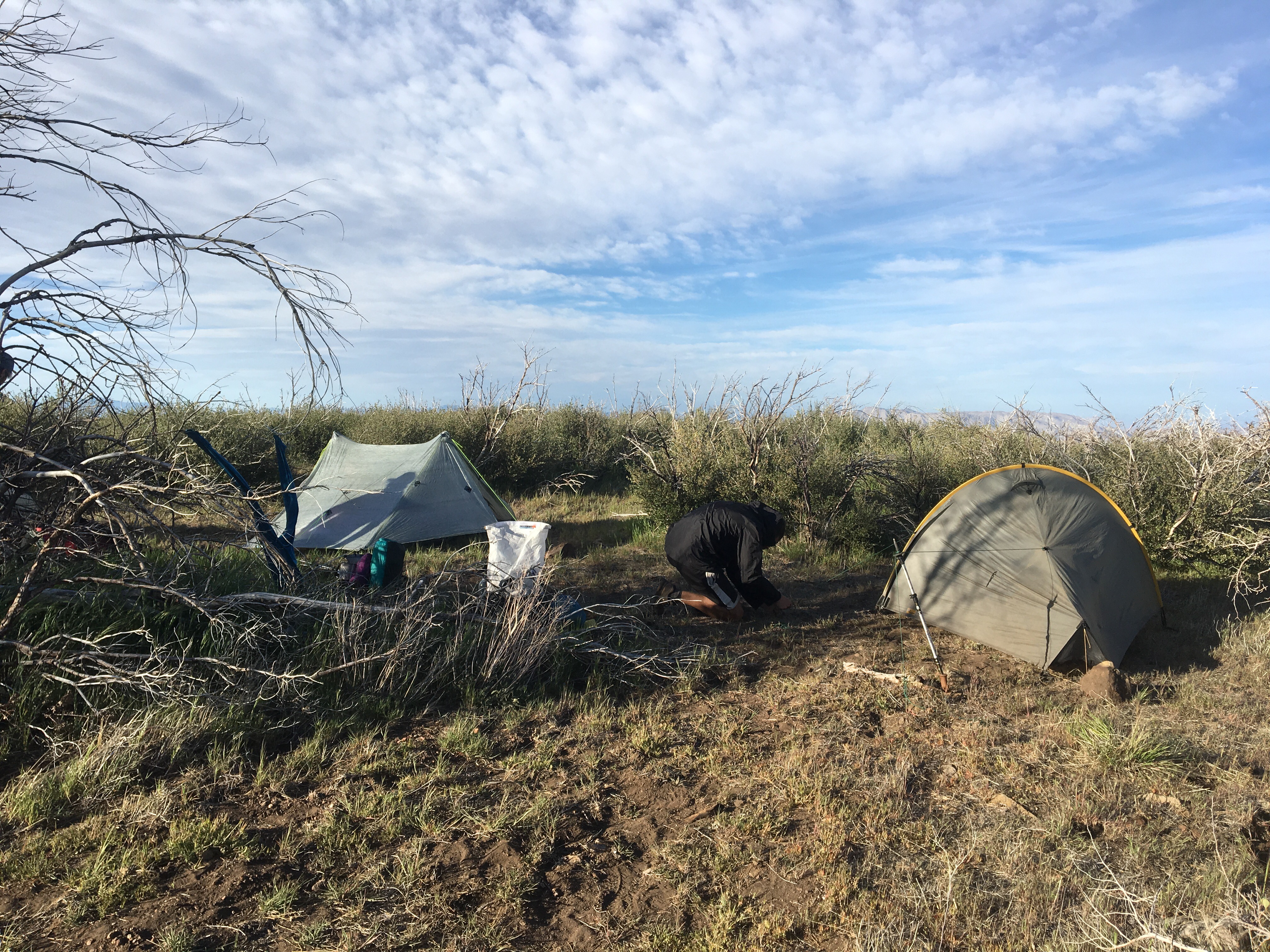
Day 3 – camped at mile 47.8, exposed site with 60-70mph wind gusts, as best as we could find without side tracking to a campground.  Didn’t expect to deal with that much wind, but not surprising at ~6000ft.  Good test of how well I can setup the ZPacks Duplex in the wind – it withheld the whole night with the exception of one stake – probably due to the rock I placed over it being a tad too small.  I managed to fix it without leaving the tent at least.
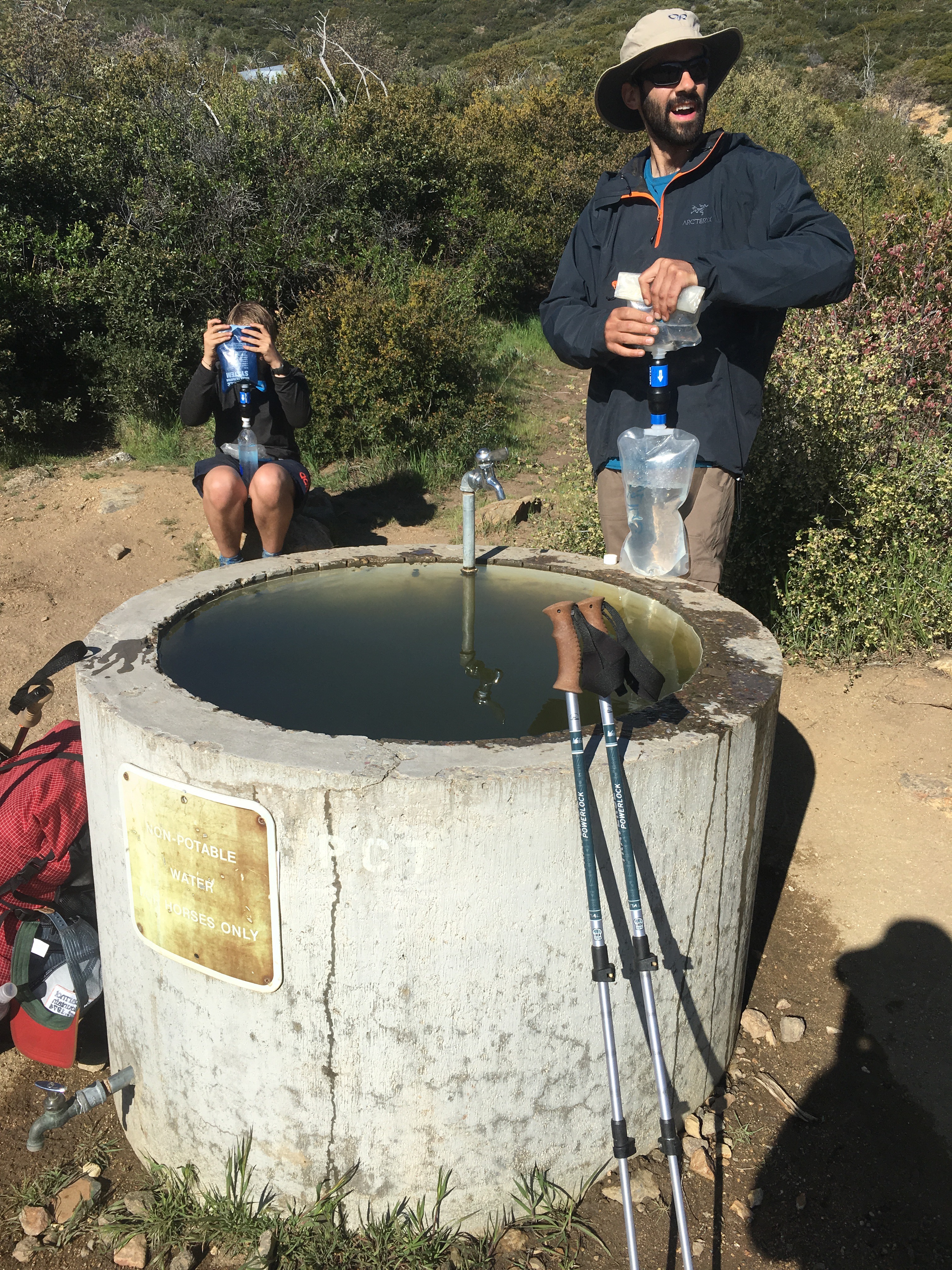

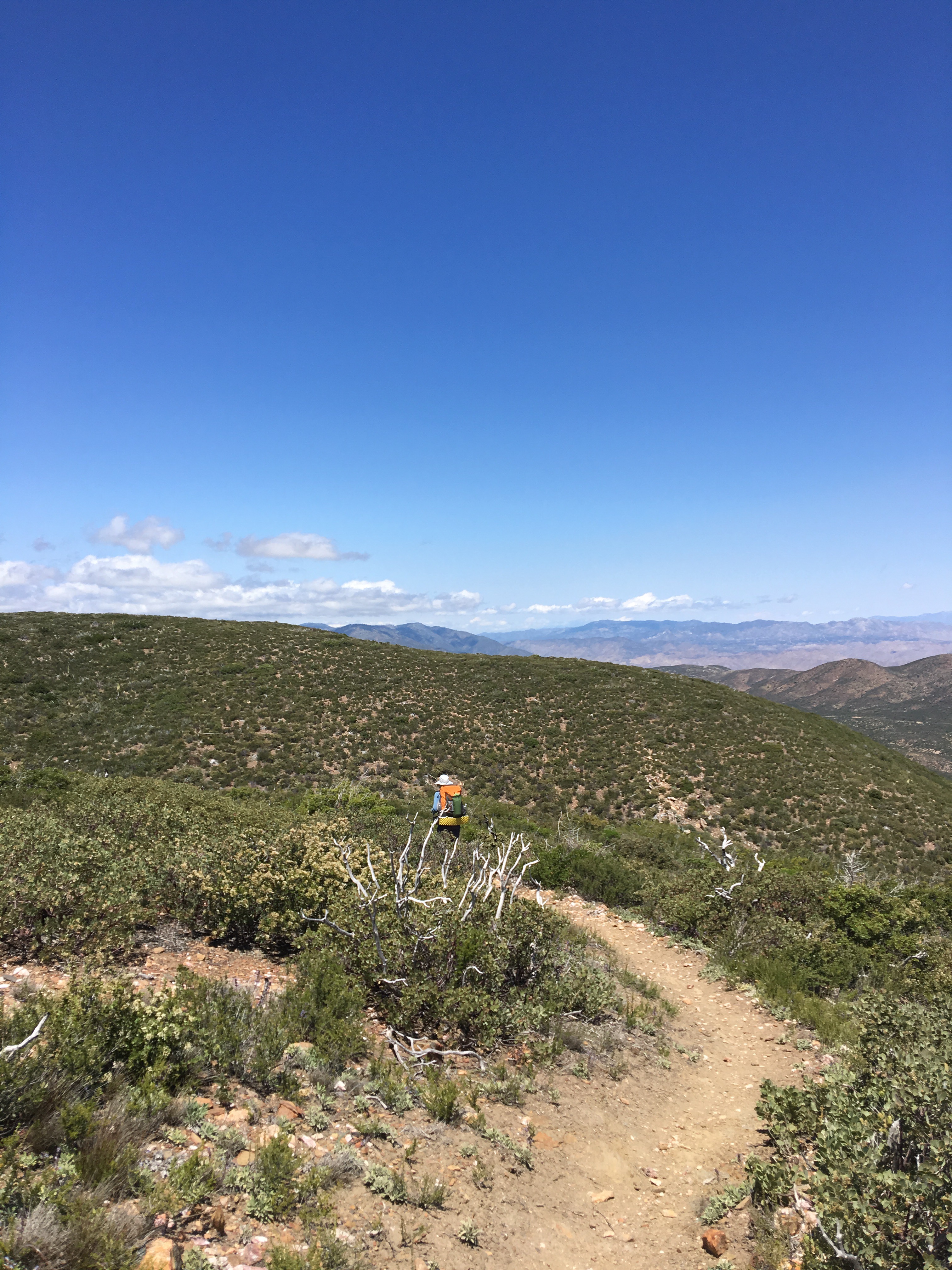
Day 4 – camped at mile 63.8, in a valley, mostly protected from the wind, after a 1000ft decent.  Windy day of hiking after not much sleep, but slept great tonight.
Nothing like filtering water from an algae filled trickle across a two track.

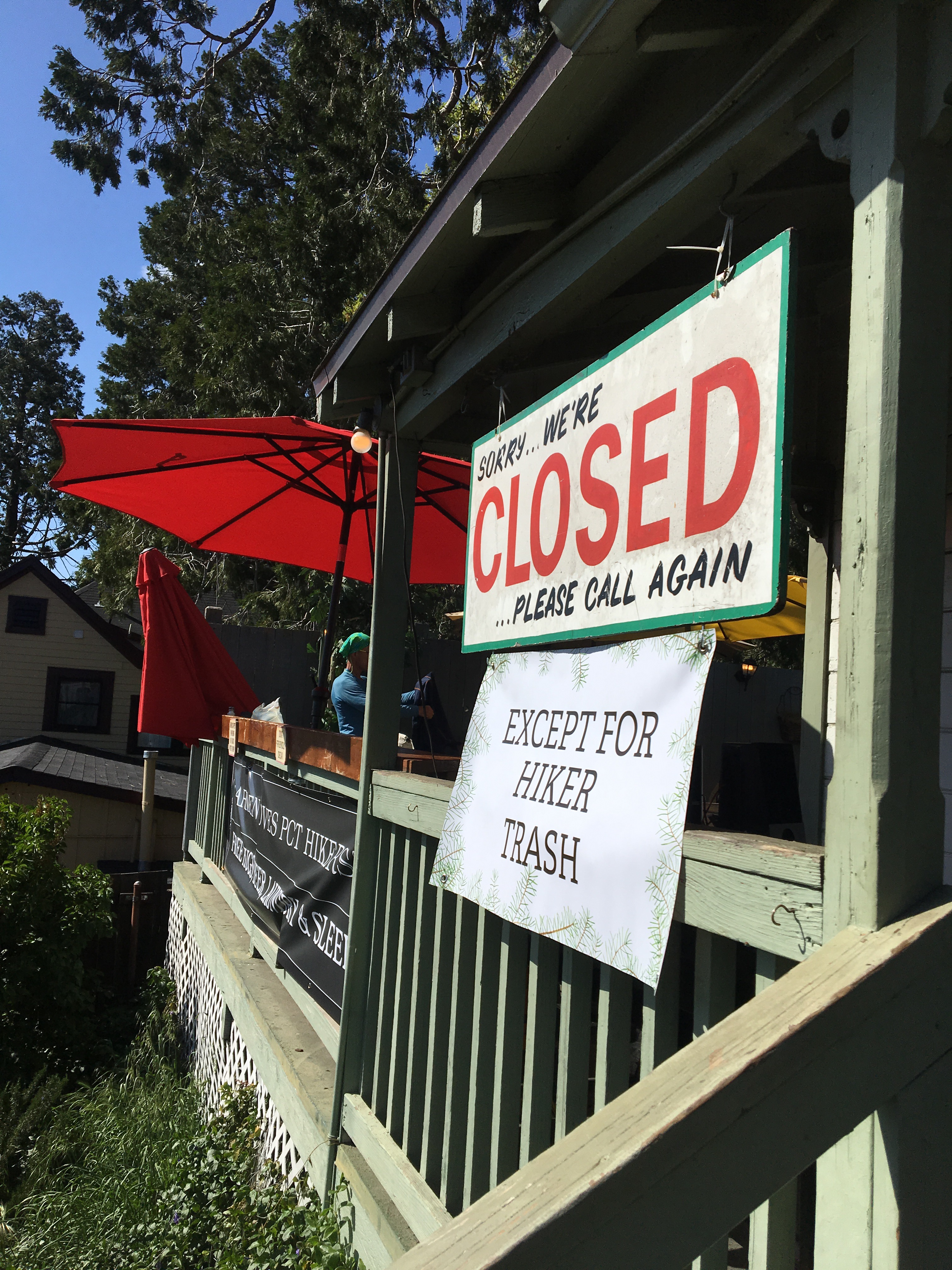
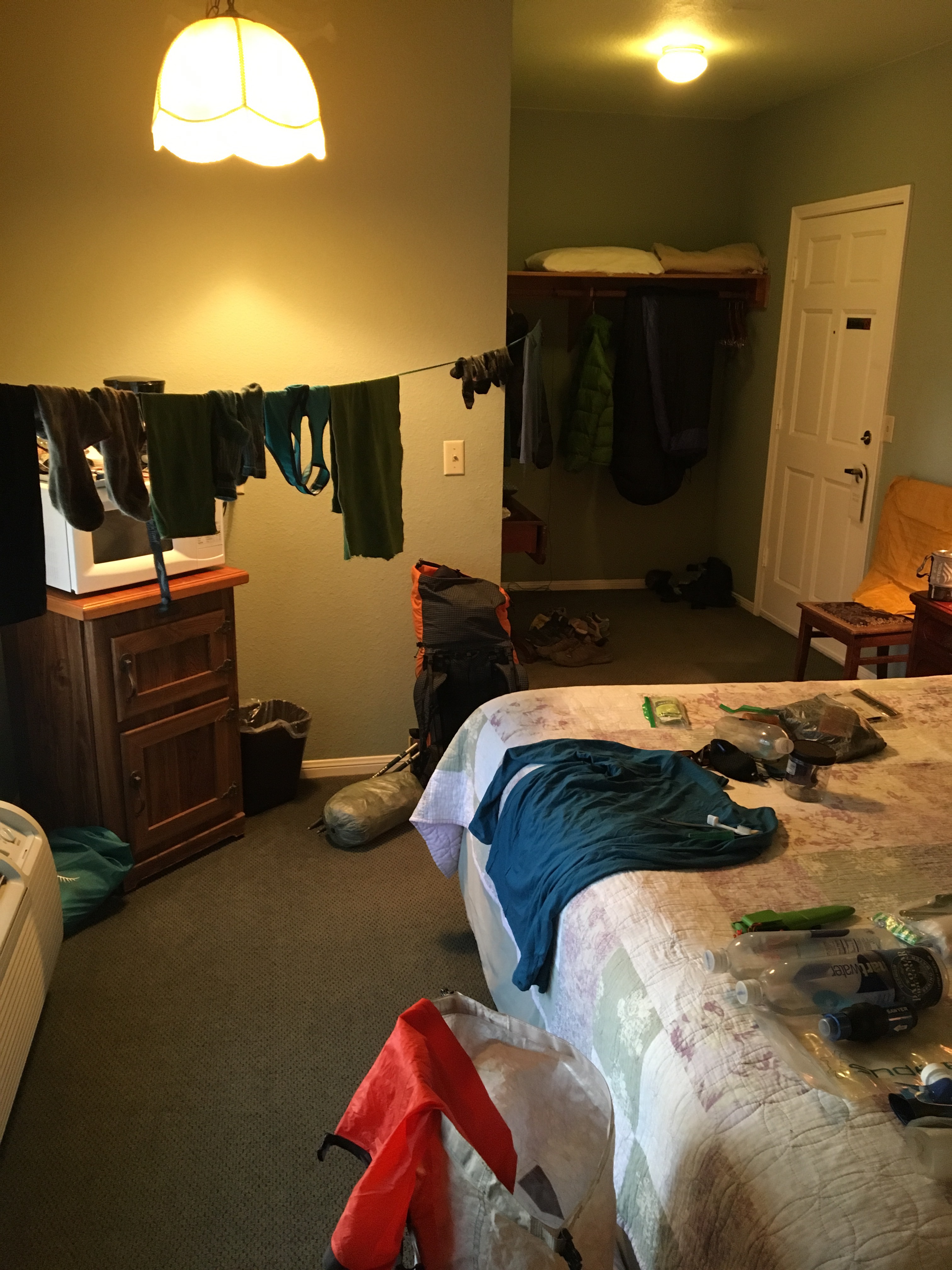
Day 5 – mile 77.3, Julian, CA.  We got a hotel after a ~13 mile day – it was either that or hitch back out of town and sleep under the bridge.  Not a bad option, but the shower and food was welcome after several miles of hiking in full sun.  Visited Carmens for a burger and free beer then Mom’s for a free slice of pie and ice cream.  Hiker friendly town.

Carmen’s…great burgers!
Hotel room clothesline.
 

It’s been challenging, simple, and beautiful everyday so far.  Hoping that continues, along with my lack of blisters.
Resupply Boxes and Other Prep

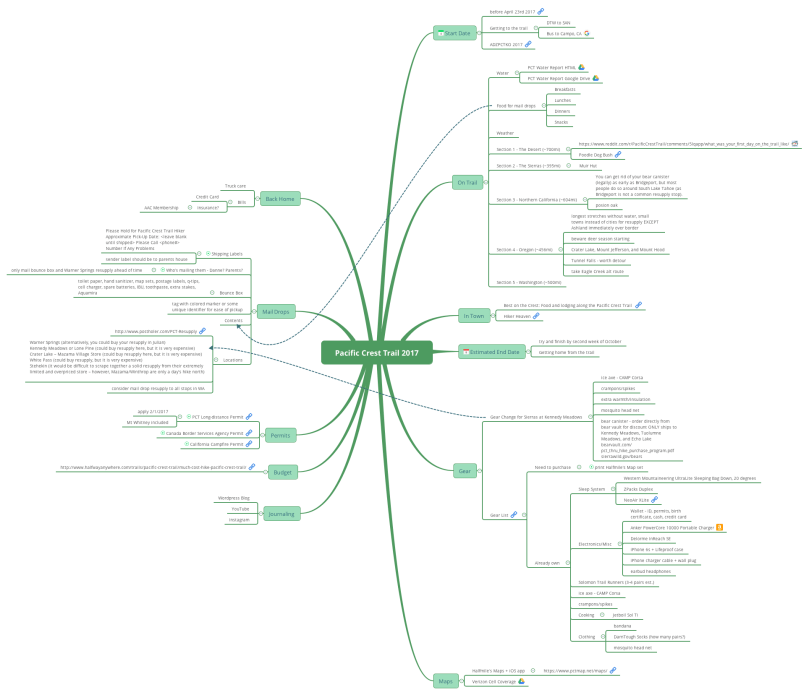
Some people just start a thru hike.  That’s fine.  It’s also not me – I find it fun to plan and prepare the logistics for a trip.  Sometimes I overdo it.  I created this in XMind over the winter one weekend to start gathering a to-do list of sorts for the trail.  After awhile I stopped updating it as I moved the most relevant stuff into Google Docs/Drive.

Pacific Crest Trail 2017.png
Unnecessary?  Probably.  But it was fun and helped organize my thoughts.

Much of what I’ve read indicates you don’t need more than a couple resupply boxes to start – prep one for Warner Springs and Kennedy Meadows and figure out the rest on the trail.  We ended up prepping 10 boxes regardless, based on the results of the 2016 Halfway Anywhere survey.  I figure even if we scrap most of them, we end up with some food after the trail for weekend trips.  Or just a bunch of extra munchies.  Either way, I expect to modify our resupply strategy sometime mid hike.  For now the boxes are headed to the following spots:

  1. Warner Springs (mile 110)
  2. Kennedy Meadows (mile 703)
  3. Sierra City (mile 1198)
  4. Crater Lake/Mazama Village Store (mile 1830)
  5. Big Lake Youth Camp (mile 2002)
  6. Timberline Lodge (mile 2107)
  7. White Pass (mile 2303)
  8. Snoqualmie Pass (mile 2402)
  9. Stevens Pass/Skykomish (mile 2476)
  10. Stehekin (mile 2574)

Like most, were using USPS flat rate boxes.  Food wise we have a mix of bulk foods, home dehydrated fruits, and some bulk order freeze-dried fruit/veggie/meat combo packs.  In the boxes we have a mix of the following meals/snacks concoctions:

  • RXBARs
  • Oatmeal with Nido, dried fruit
  • Instant mashed potatoes from Costo (tasted better than the Idahoan brand) with dried kale, jerky, misc freeze-dried veggies
  • Gummy worms, gummy bears
  • Peanut butter
  • Snickers – I’ve heard these are mandatory and work as currency
  • Trader Joe’s Chocolate covered espresso beans
  • Ultima Replenisher Electrolyte Powder
  • Couscous or ramen with misc freeze-dried veggies
  • Nature Valley protein bars (yay Costco)
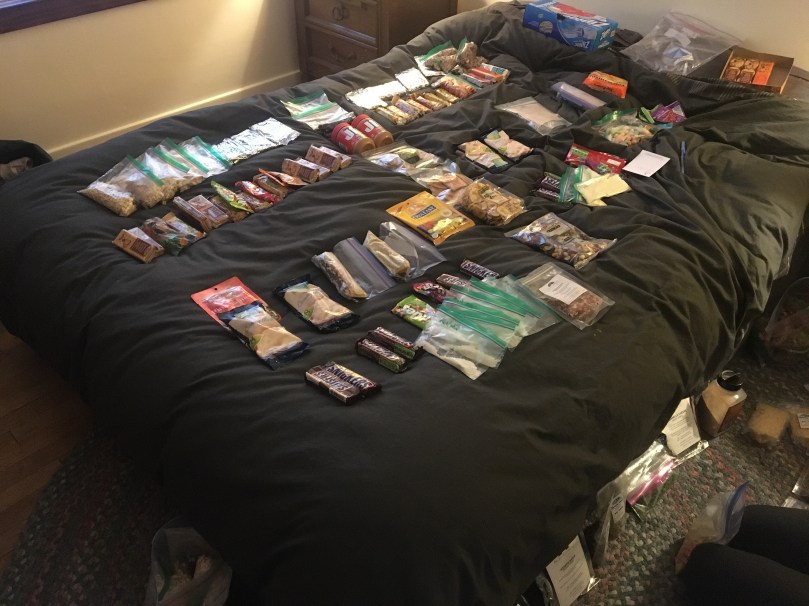
We laid out each day of food, in each box, for each of us.  This is the beginning of an 8 day resupply box.
Oatmeal is my go-to breakfast off trail, but I’m sure I’ll start hating it eventually.
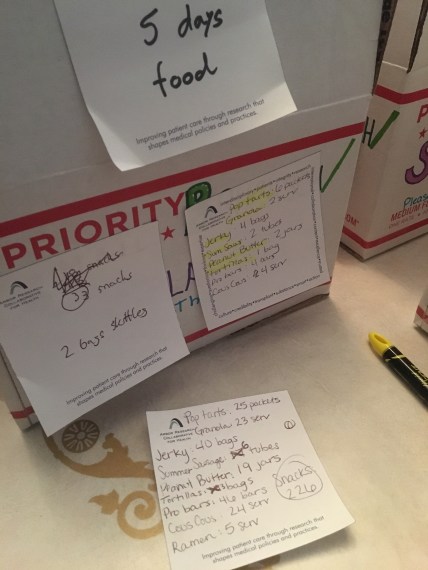
One of the hardest parts was filling in the last few items needed in each box.  Sara has much neater notes than I.

We used the medium and large boxes for the food.  The exception being the Kennedy Meadows box, which has the above but also has to fit the ice axes, crampons, BV500 and other items for the Sierras.   I’ve got spare shoes, socks, insoles and a few other items on standby to ship out as well if I decide to switch up some layers.
Aside from all that I’m moving my life into a basement and garage, prepping my truck for storage, and getting ready for the lifestyle shift.  As for the actual start of the hike we’re lucky to have some friends that will be joining us in San Diego the week prior to our start – they’ll drive us down to the Southern Terminus.

PCT 2017 Starting Gear List

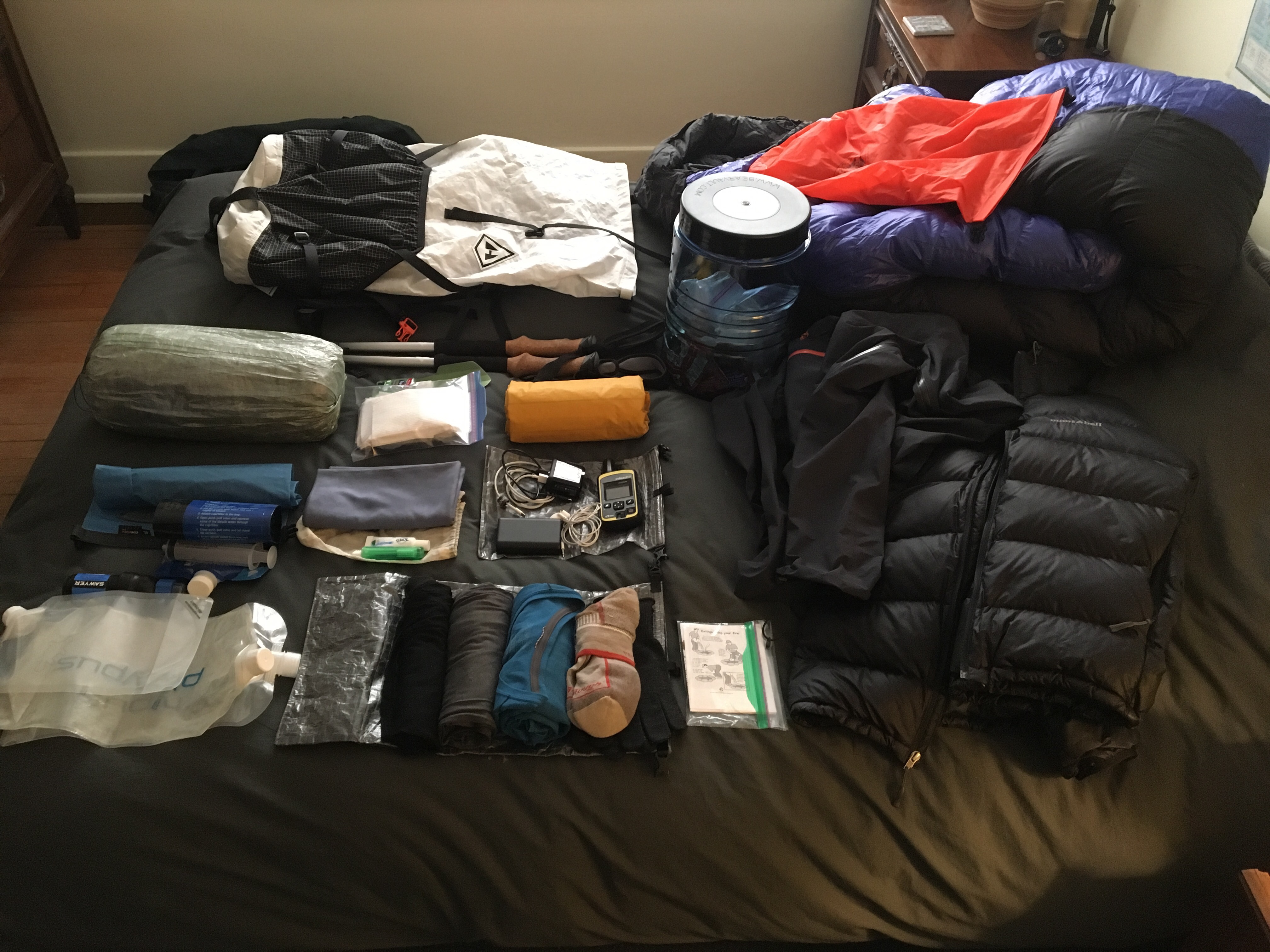
I’ve got some past experience with long distance hiking, so I’d like to think this list won’t change much.  It will though, I’m sure – already considering going stove less at some point in the hike, following Sara’s lead.  For now, this is what I plan to take with me on my 2017 northbound attempt.

Gear List (LighterPack)

Base weight: ~15lbs

A little weight will be added in the Sierras for the BV500, Kahtoola MICROspikes, CAMP Corsa Ice Axe, and possibly snowshoes, depending on snowpack this year.  Since this year is a little unusual weather wise, we will determine what gear to bring when we hit the Sierras sometime mid June.

I also have some flexibility in my gear.  Through working in the outdoor industry and general nerding out over gear, I’ve accumulated a plethora of backpacking gear over the past several years.  This gear sits in boxes at my parents house, ready to ship out if I want to change something up.  This flexibility gives me peace of mind as the start date draws ever closer…

PCT Q&A

What is it?

The Pacific Crest Trail is a long distance hiking trail spanning from the southern border of the United States with Mexico near Campo, CA to the northern border with Canada near Manning Park, BC.  It follows the Sierra Nevada and Cascade mountain ranges through California, Oregon, and Washington.

How many miles is it?

2660 miles or 4281 kilometers, plus all the road walking, any re-routes, and Mt. Whitney side trail

How long is it going to take?

Somewhere between 5-6 months, depending on our side trips, health, and the trail conditions.  We are planning on taking a few zero days in San Francisco to visit some friends and then again in the Portland area for the eclipse in August.

How much will it cost?

We’re expecting to spend ~$5,000 each over the course of 6 months.  Since I’m not paying rent during the trip, just a storage fee, my bills are next to nothing.  Looking at it another way, this is pretty similar to my average monthly living expense while not hiking.  A lot of people spend $1000+ per week on vacation, so this is cheap in comparison.

Where will you sleep?

On the ground, in our tent.  Or cowboy camping out in the open on some nights.  Unlike the Appalachian Trail there aren’t any shelters along the trail.

What about food and water?

We’ll be carrying food in ~3-8 sections and stopping in various towns along the way to resupply.  Our diet will consist of freeze-dried and dehydrated foods, peanut butter, snickers, candy, chips, tortillas, cheese, jerky, instant potatoes and just about anything else that gives us the calories, fat and protein we need to hike.  There’s a handful of places where resupplying in town is prohibitively expensive, not available, or poor selection.  We’ll be sending pre-packaged resupply boxes to those locations.  More on that here.

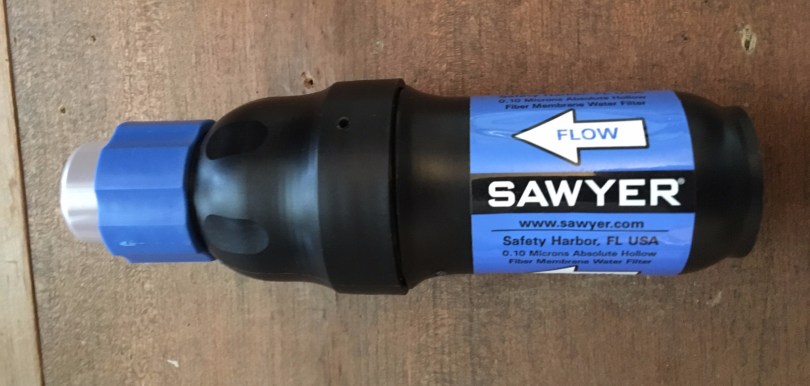
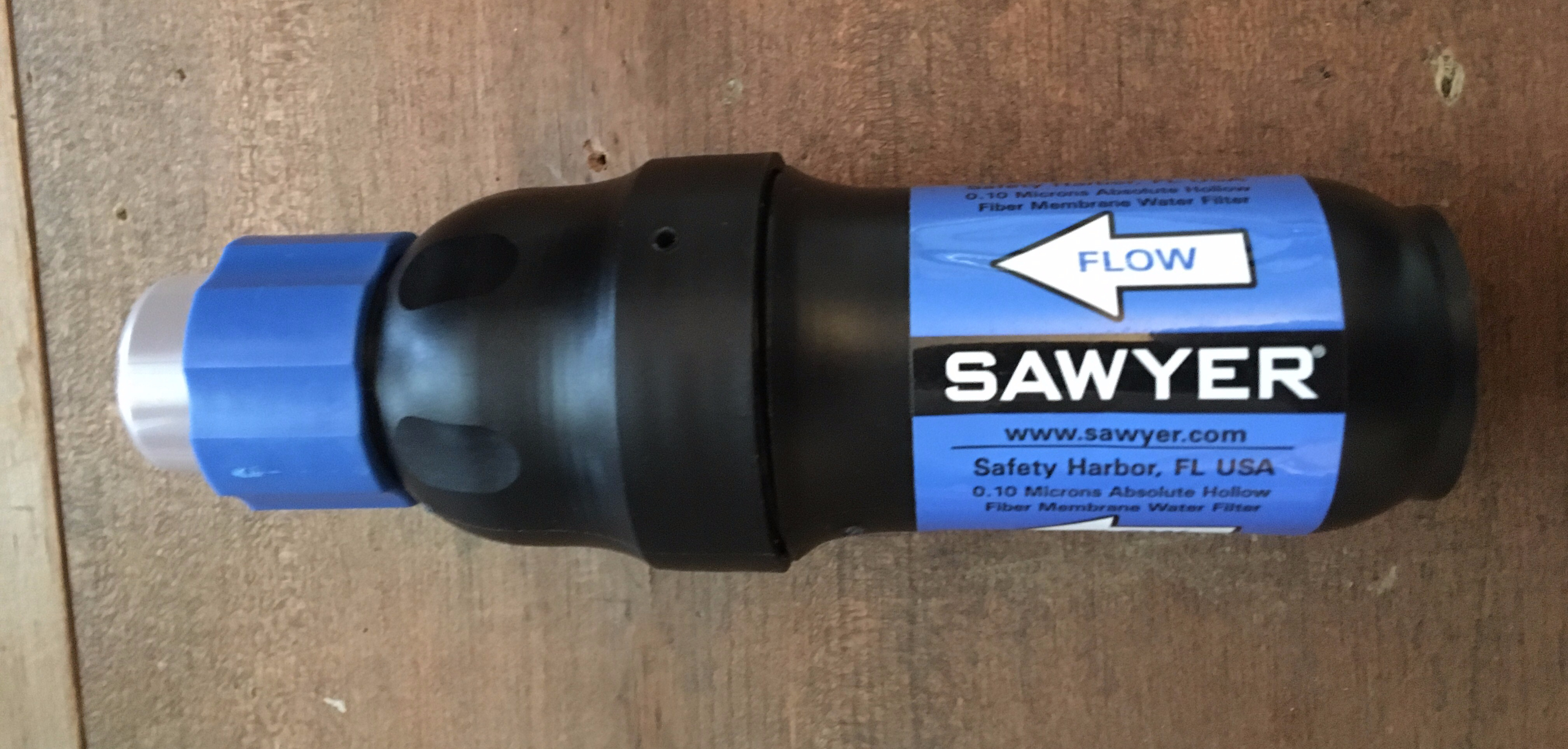
Water is scarce on a lot of parts of the trail.  Thankfully there’s great info on our map set and online from previous years, along with PCTWater.com which provides a Google Spreadsheet regularly updated by hikers and locals.  Water sources range from desert cisterns to waterfalls, to caches left by trail angels.  We’ll each be carrying anywhere from 2 – 8 liters of water at any given time.  All water will be filtered with a Sawyer Squeeze.

Why do it?

For the mental and physical challenge, the incredible scenery, sleeping outside more in a regular sleep cycle, skewing my work/life balance in favor of life, never been to California.

That sounds nice, I wish I could do something like that.

You probably can.  Save money, it will happen eventually.  It’s taken me years to arrange life for a thru hike.

Must be nice to have a trust fund.

Nope, don’t have one.  Just worked off and on since I was 14.  Saving a little bit here and there goes a long way.  As mentioned above, a thru hike costs roughly as much as normal living expenses over the same period of time.

Aren’t you going to get sick of each other?

Maybe at times.  But why should that discourage us from going?

But what about insurance?

On a more serious note, this is probably the hardest question to answer.  It seems like a lot of thru hikers either go with no insurance, their spouses cover them, or lately, using a HealthCare.gov plan.  No one is sure what will happen with healthcare at the moment, but Sara is using an ACA plan for now and I plan to as well.  My work insurance will cover me for a little while at least.

If you have any other questions, feel free to ask in the comments!

Sawyer Squeeze Mods

These aren’t my mods, but a couple I’ve read about in a few places that I think are worthwhile.  On the Long Trail, I treated my water with AquaMira and a bandana as a pre filter when there were a ton of floaters.  Based on what I’ve read about water sources in the Desert section of the PCT I’m going to want a pre-filter of some sort.  With some testing at home, the screen in adapter seems to work well.  I’ll update this on the trail if it fails or if I MacGyver anything else.  In the meantime here are some tips in no particular order:

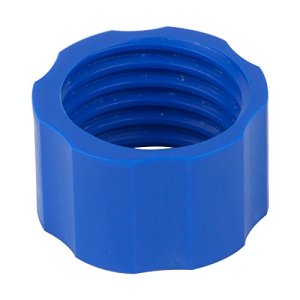
  1. Buy a Sawyer SP150 Coupling:415WLmIxN8L
  2. The syringe the Squeeze comes with is good at back flushing, but not necessary when I can just use the adapter and a clean water bag.   One less thing to worry about.  There’s a thread about it on WhiteBlaze.net
  3. Use the plastic cap to keep it clean.img_1021.jpg
  4. If temps are going to drop below freezing at night, put the filter in your bag/quilt with you to prevent it from freezing.  If you can blow air through it after you suspect it’s been frozen, it’s definitely broken.