Flora of the PCT: Desert Wildflowers Part II

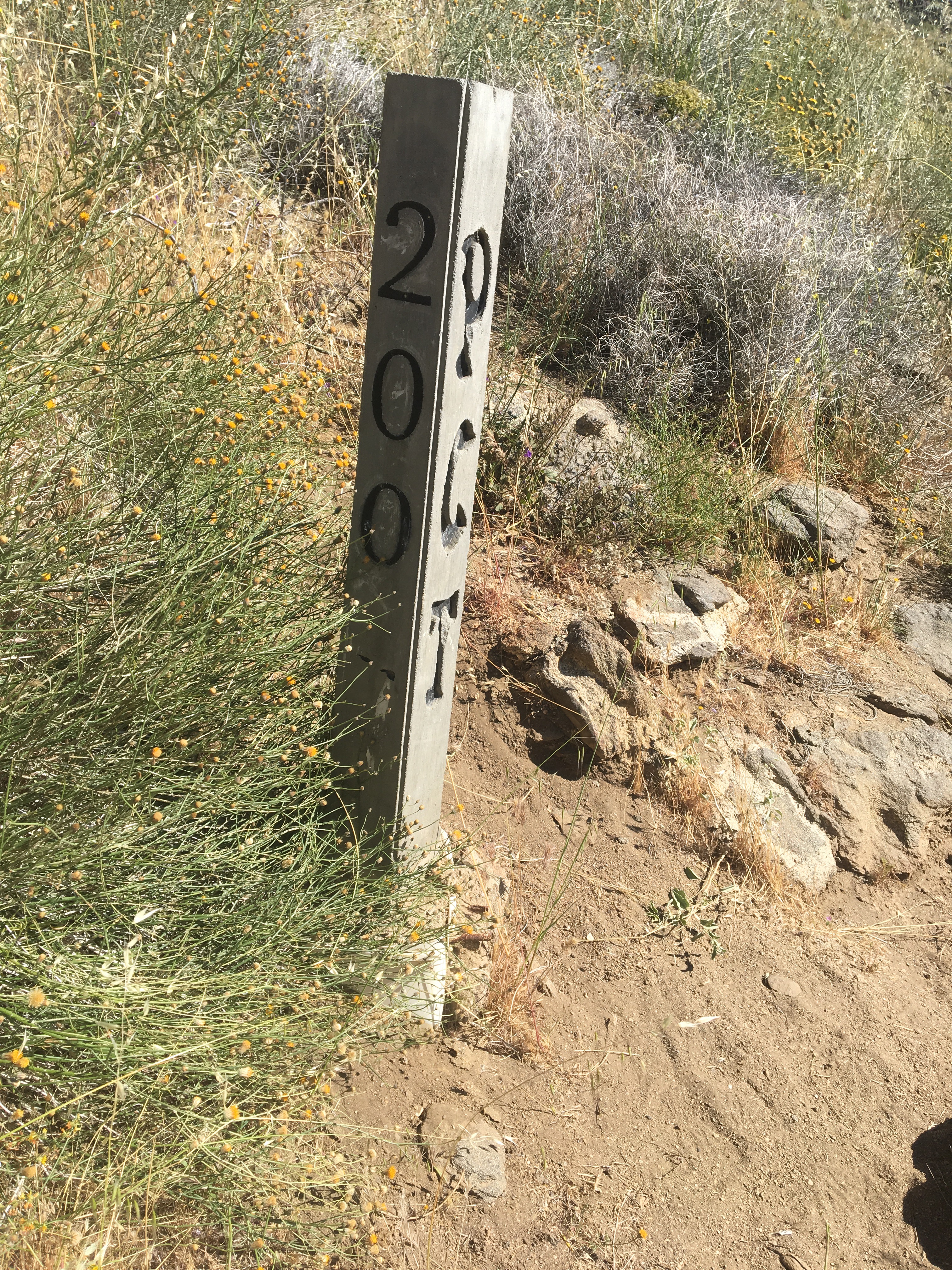
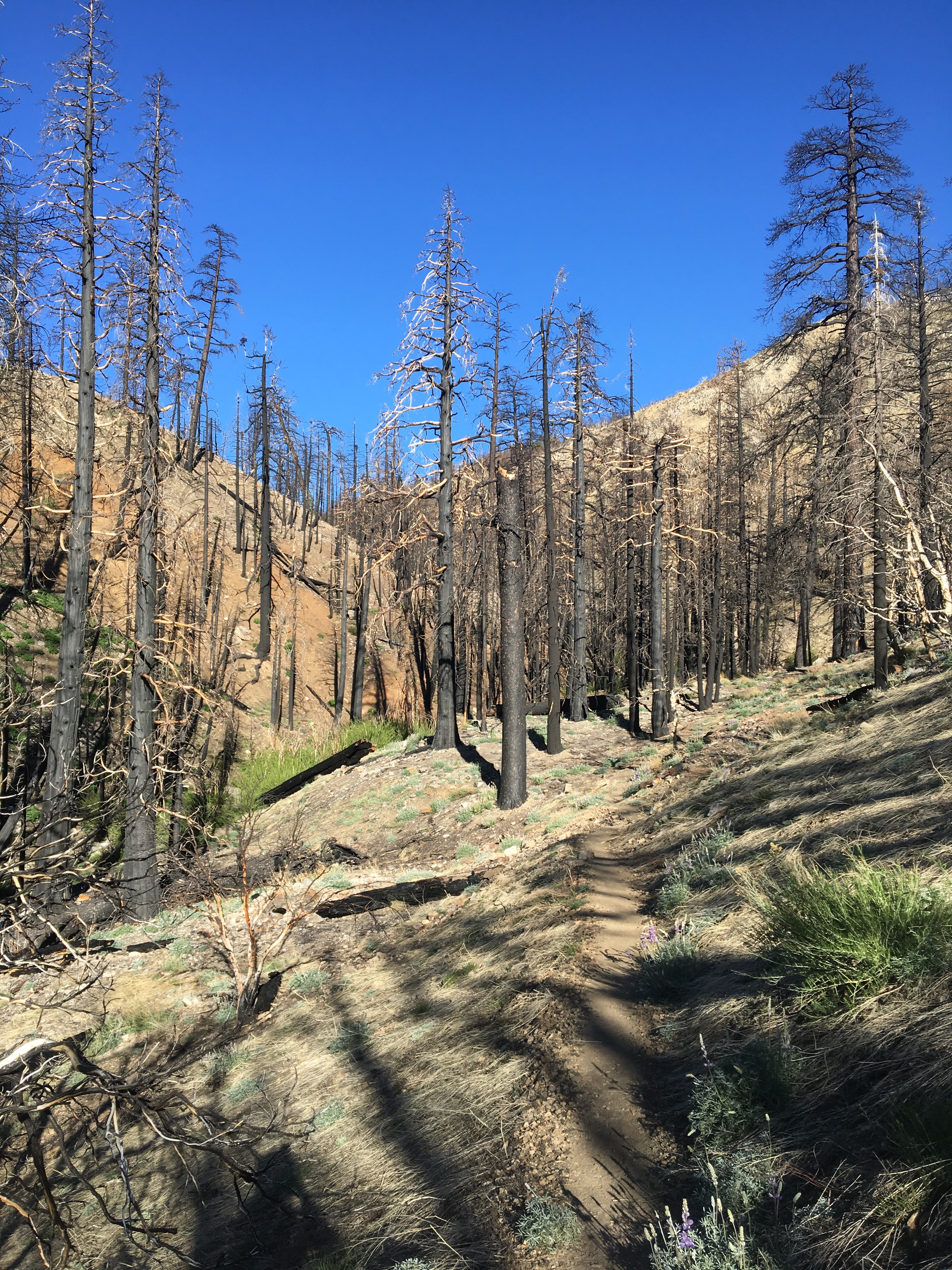
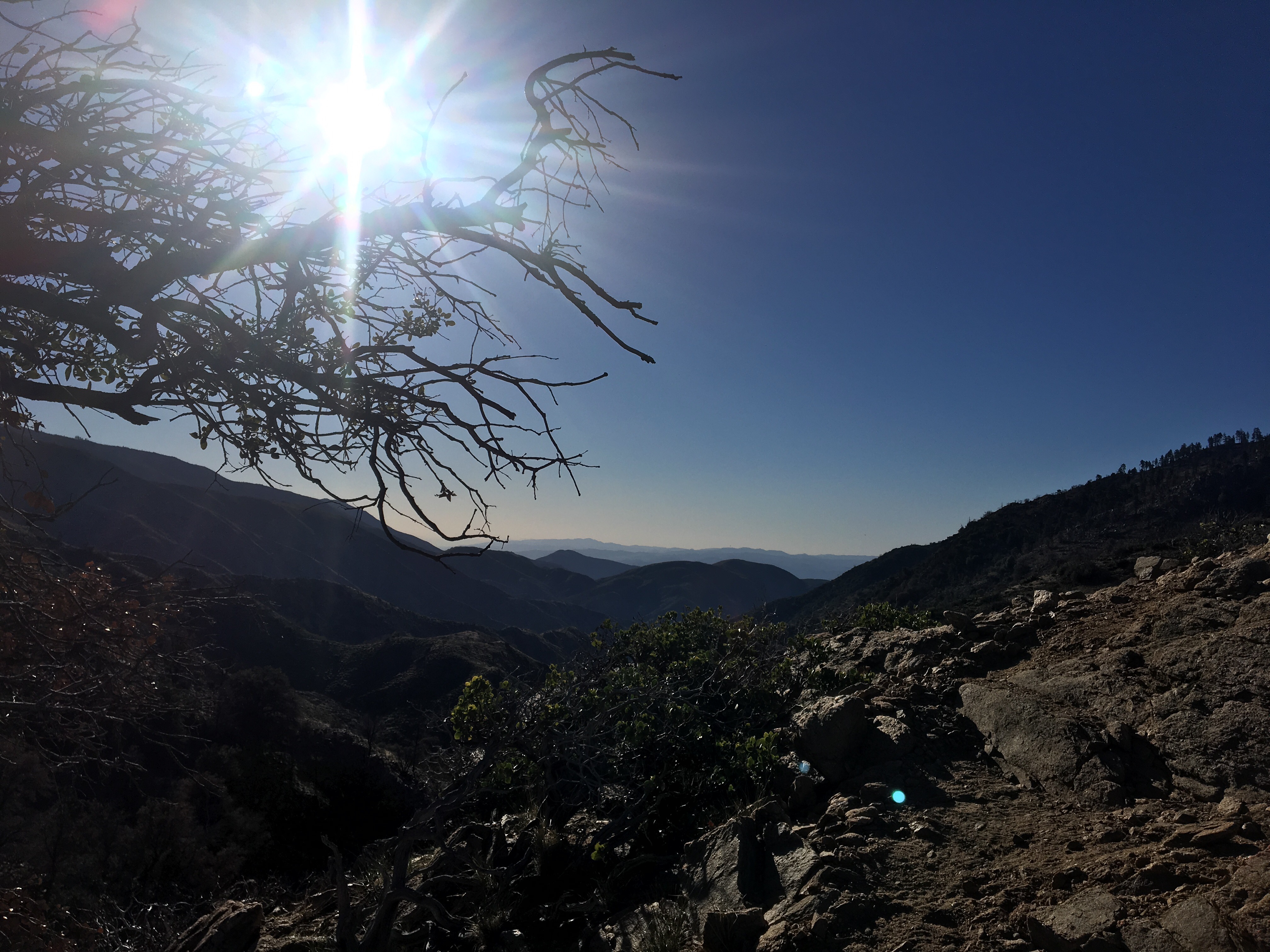
We’ve finally made it 700 (702.2 to be exact) miles through the desert and could not be more excited for the snow to come!  This section of desert tends to wear on people and for good reason.  The sun and heat are relentless and there are so many miles of burn. 
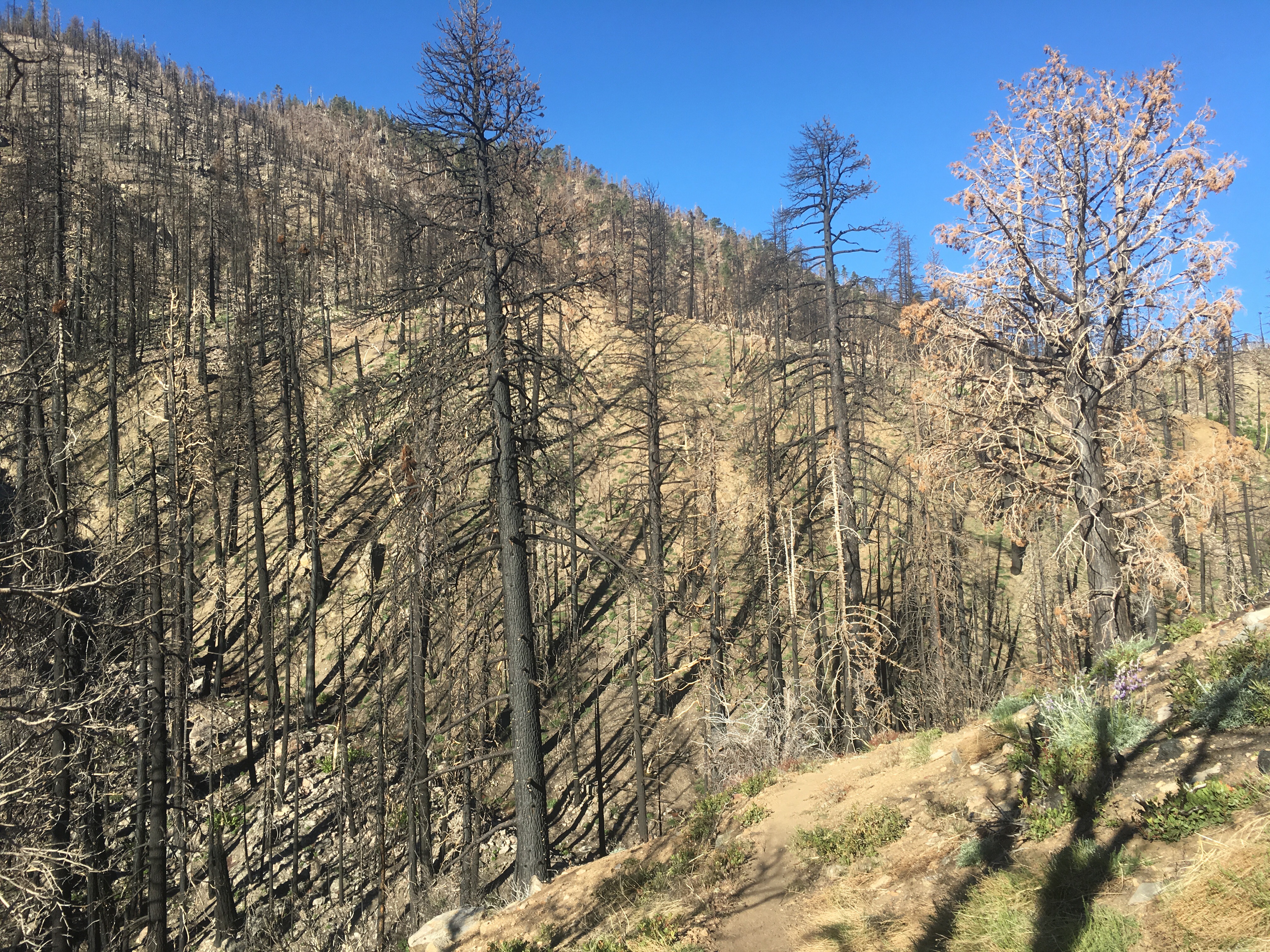
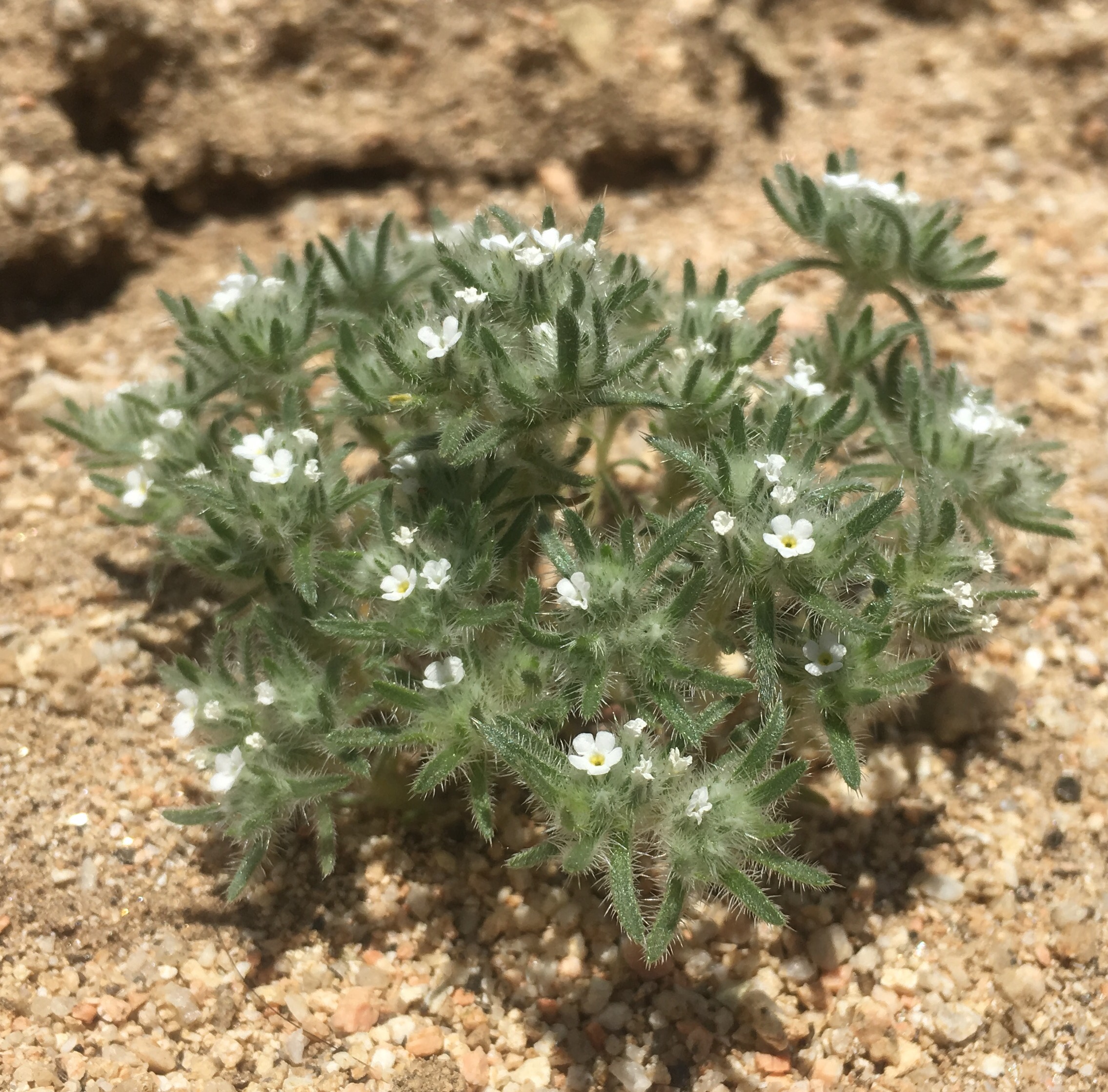
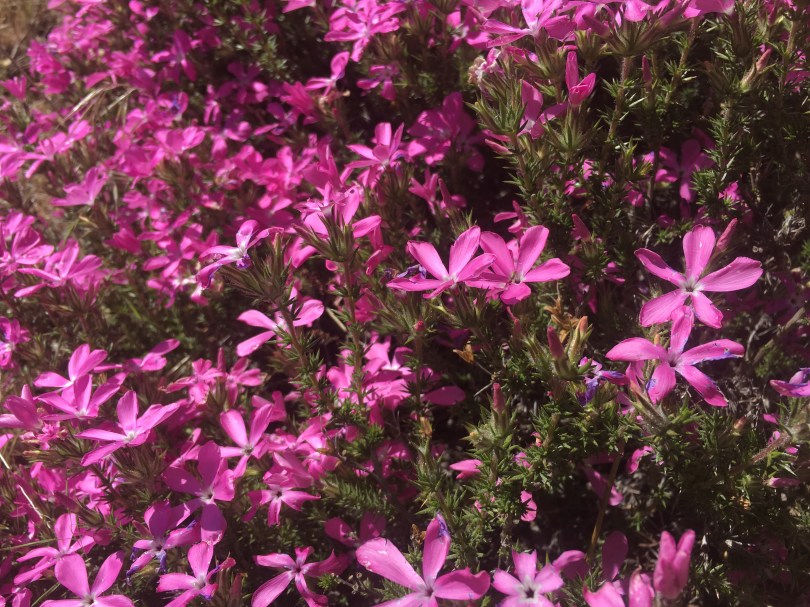
As grueling as these burn areas may be, they’re are also beautiful and full of life.  It’s easy to notice the towering burned trees, not as easy to notice some of the dwarf flowers like desert calico (Loeseliastrum matthewsii) and cushion cryptantha (Cryptantha circumscissa). 

Desert calico
Cushion cryptantha

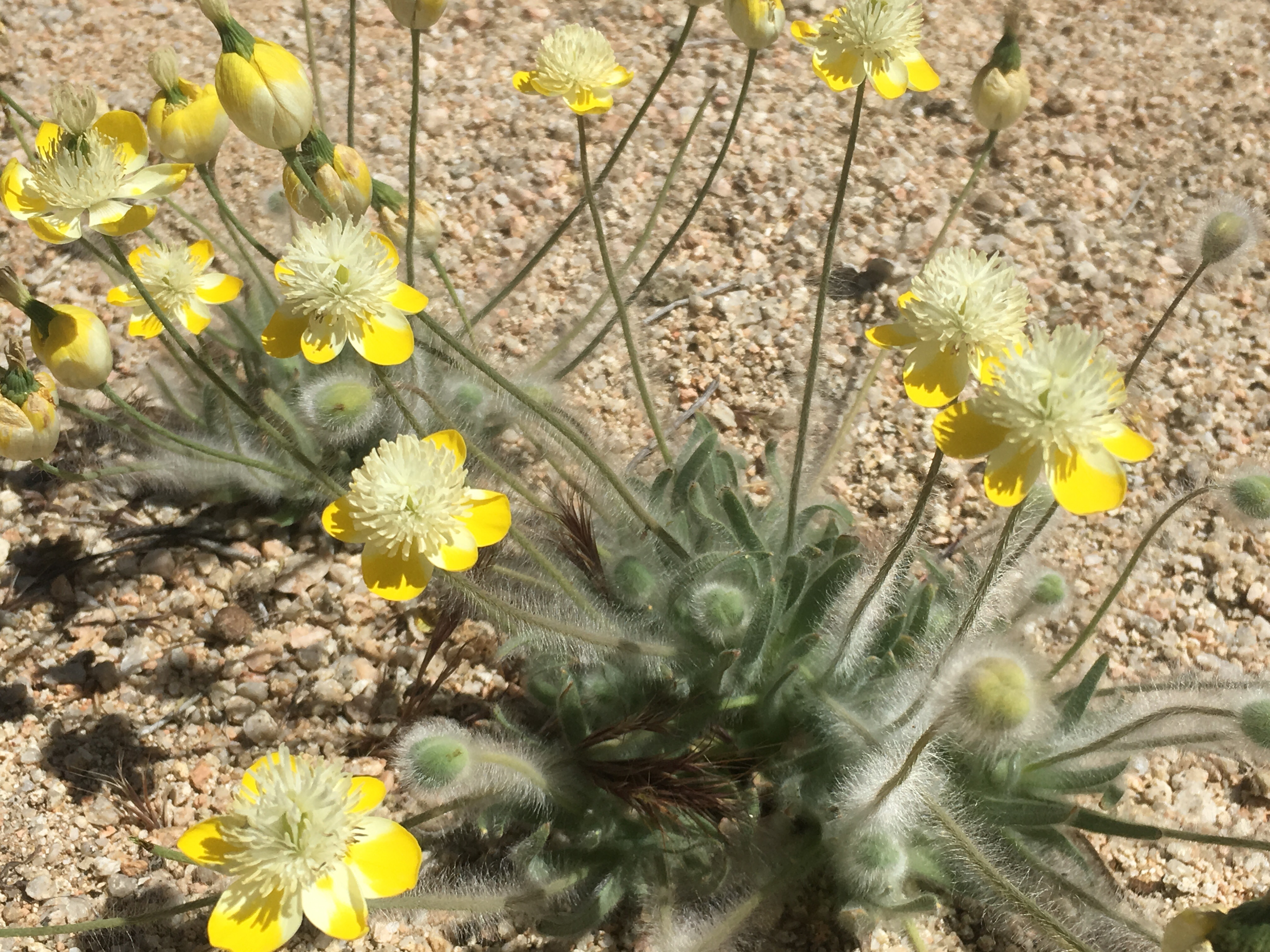
Many desert plants have trichomes, or hair on their leaves and/or stems.  Some, like desert calico and cushion cryptantha, are spiny and unfriendly to the touch. Others, like two-color phacelia (Phacelia bicolor) and creamcups (Platystemon californicus) are more wooly and soft to the touch. 

Two-color phacelia
Creamcups
While trichomes peak my tactile interest, they also serve a purpose. The hairs can restrict insect movement and herbivory on leaves. They also reduce the rate of transpiration, or water loss, by reducing the amount of air that’s able to flow across the leaf surface. 


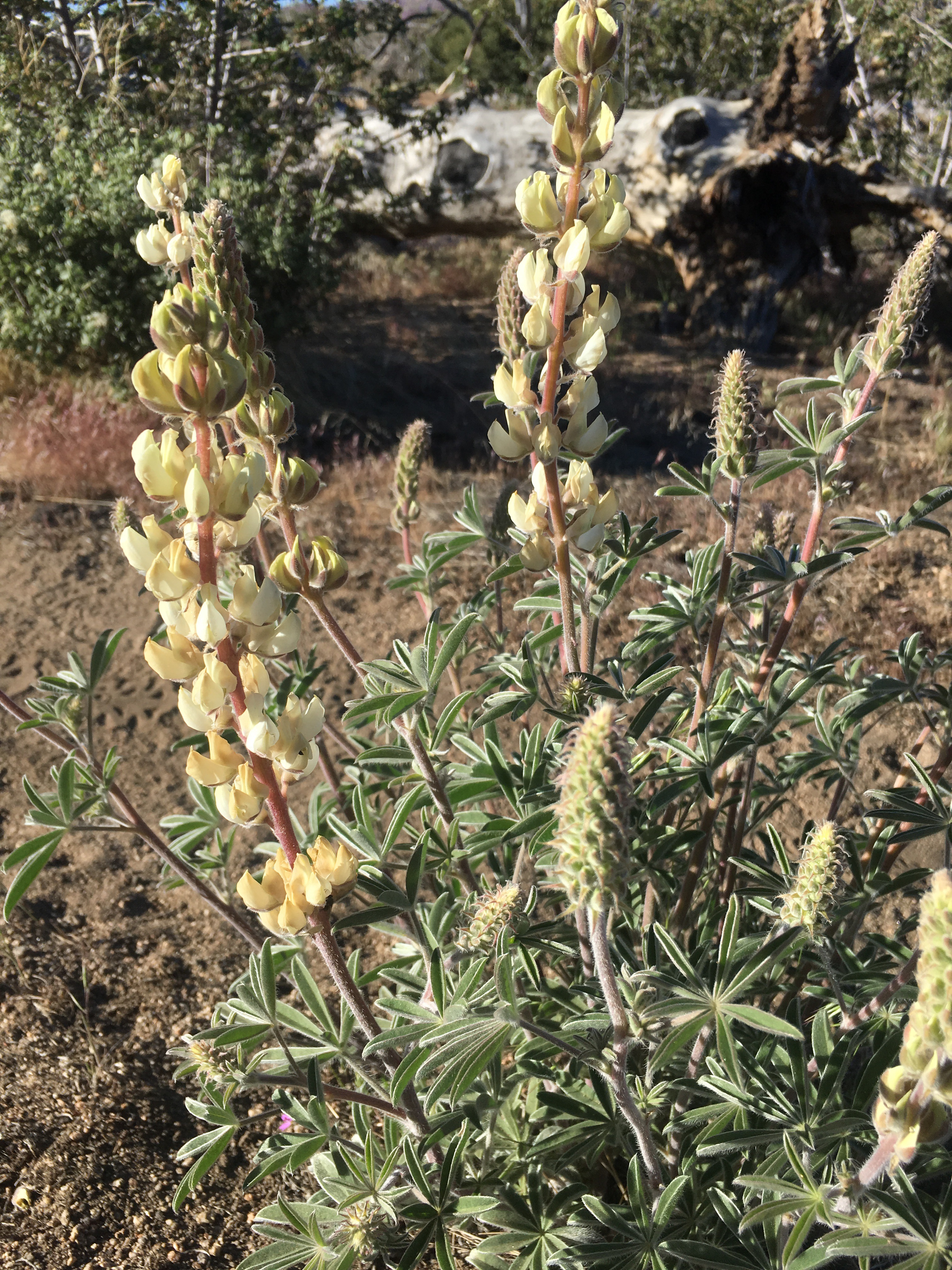
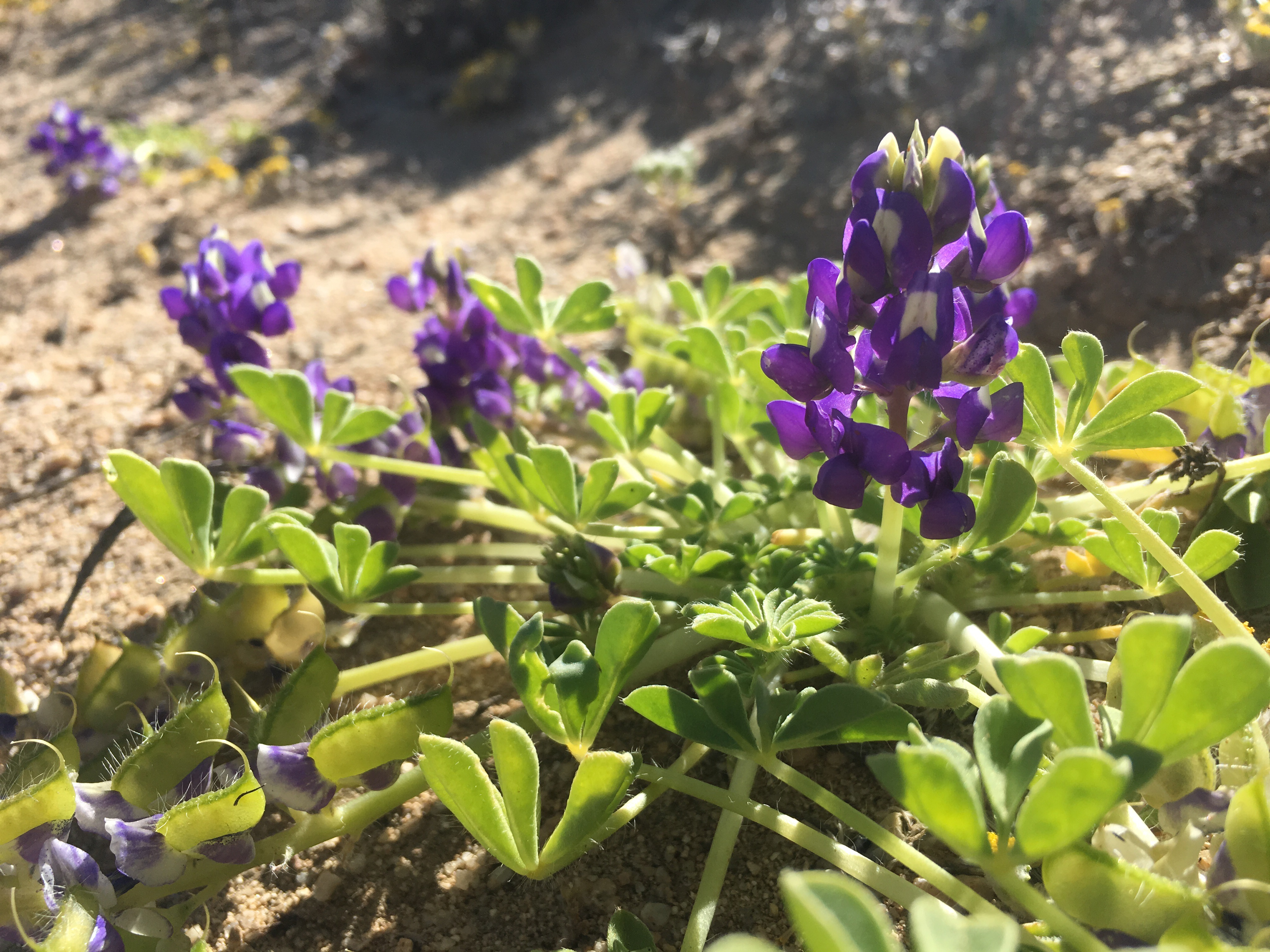
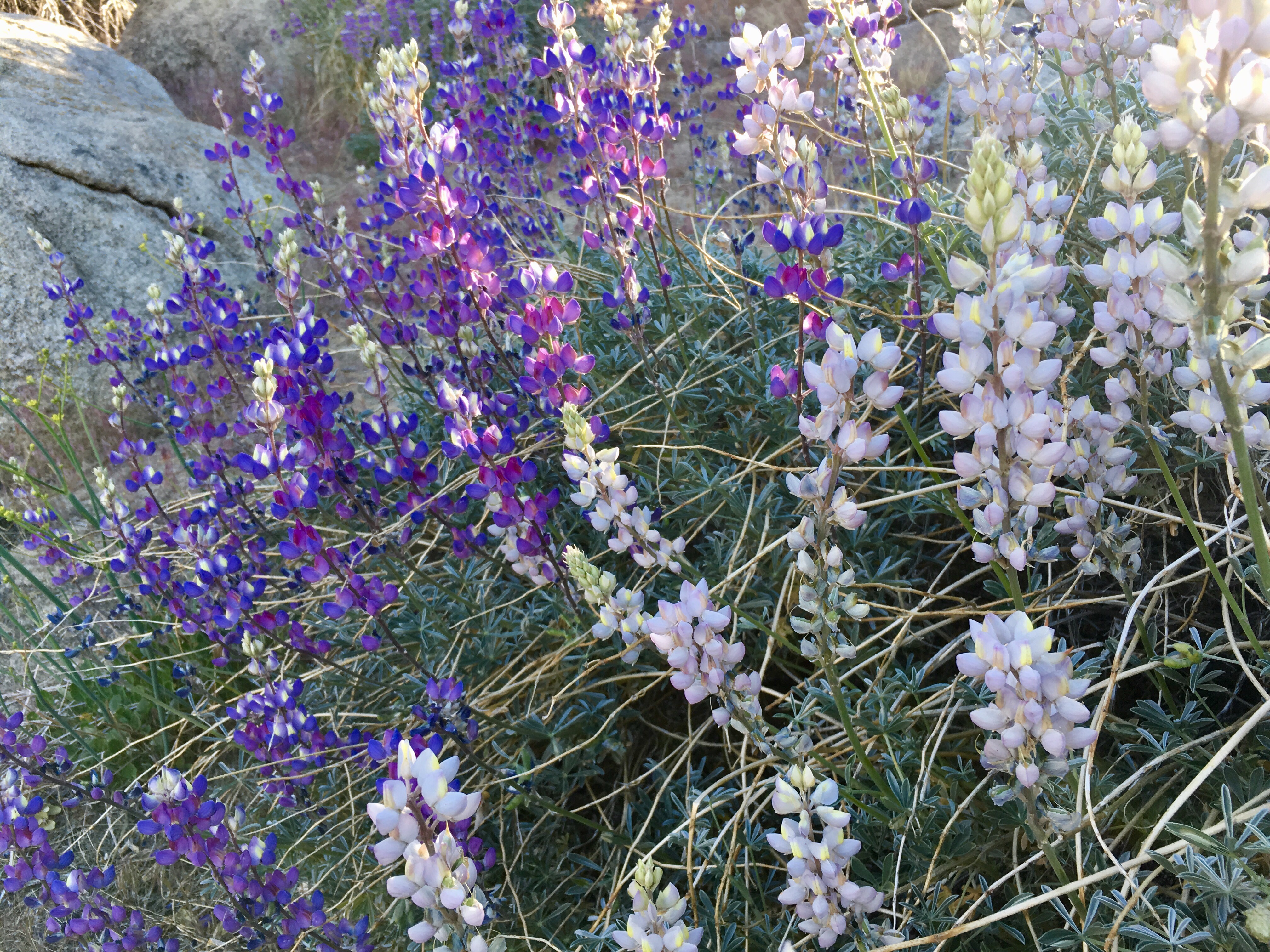
There are over 50 species of Lupinus in Southern California which is very exciting for a lupine lover like myself. These flowers are one of the first to repopulate an area after fire and bring some much needed color to the landscape. 


One of the most exciting finds in this section was this butterfly mariposa lily (Calochortus venustus).  These flowers are endemic to California, meaning they’re native and growth is restricted to particular areas. 

Butterfly mariposa lily

The desert mariposa lily (Calochortus kennedyi) is native to California, but not endemic. They are common in the Southwestern US and come in a yellow and orange variety. See Part 1 for orange.
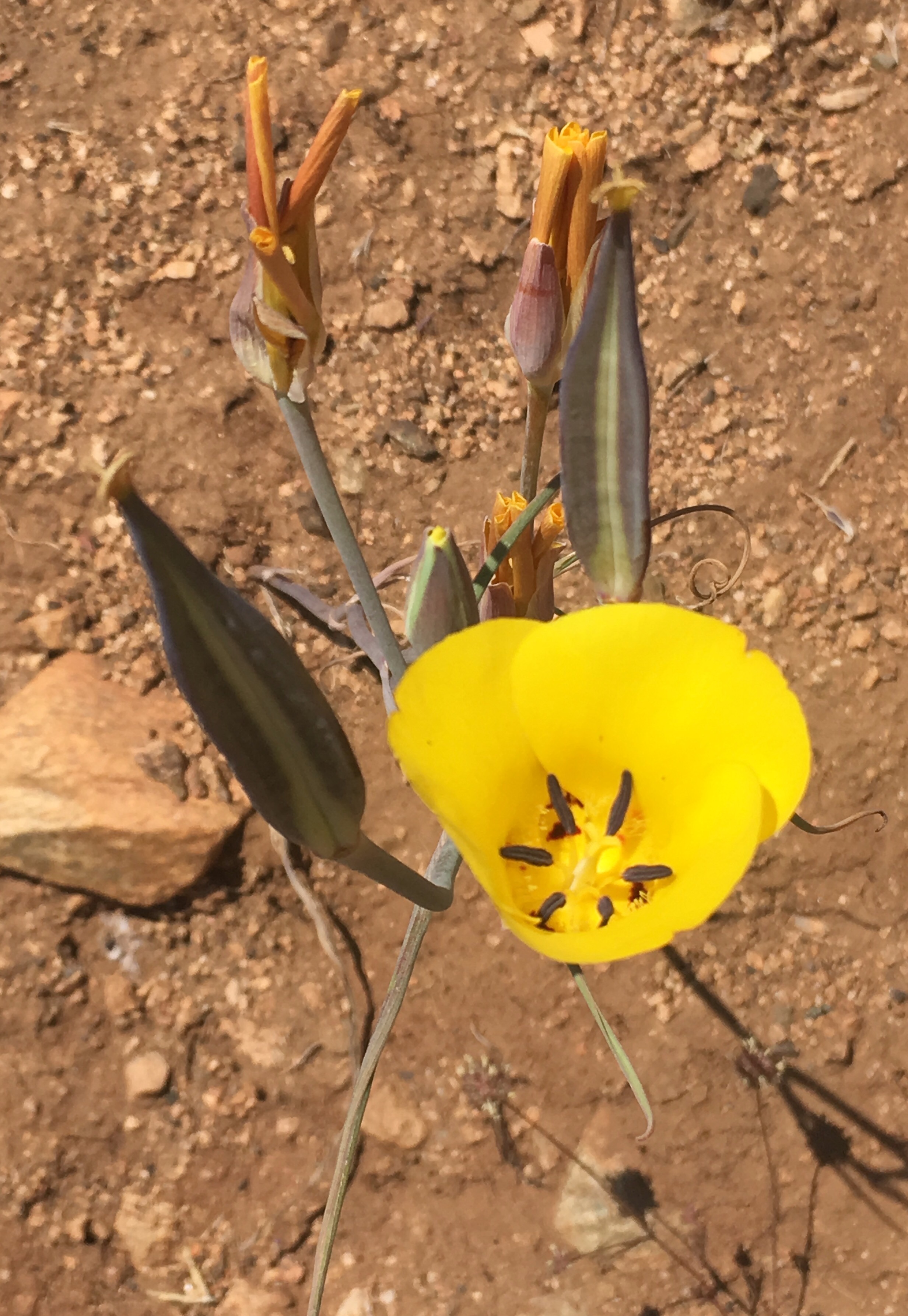
Desert mariposa lily
Clarkia are difficult to capture on a good day with my iPhone due to their small nature and the wind. But they’re beautiful and also uncommon so we just have to deal with the poor quality. 

Elegant clarkia

Elegant clarkia (Clarkia unguiculata) and two-lobe clarkia (Clarkia biloba) can most easily be distinguished by their flower petal shape. Elegant clarkia petals are paddle shaped while two-lobe clarkia have heart shaped tips. 
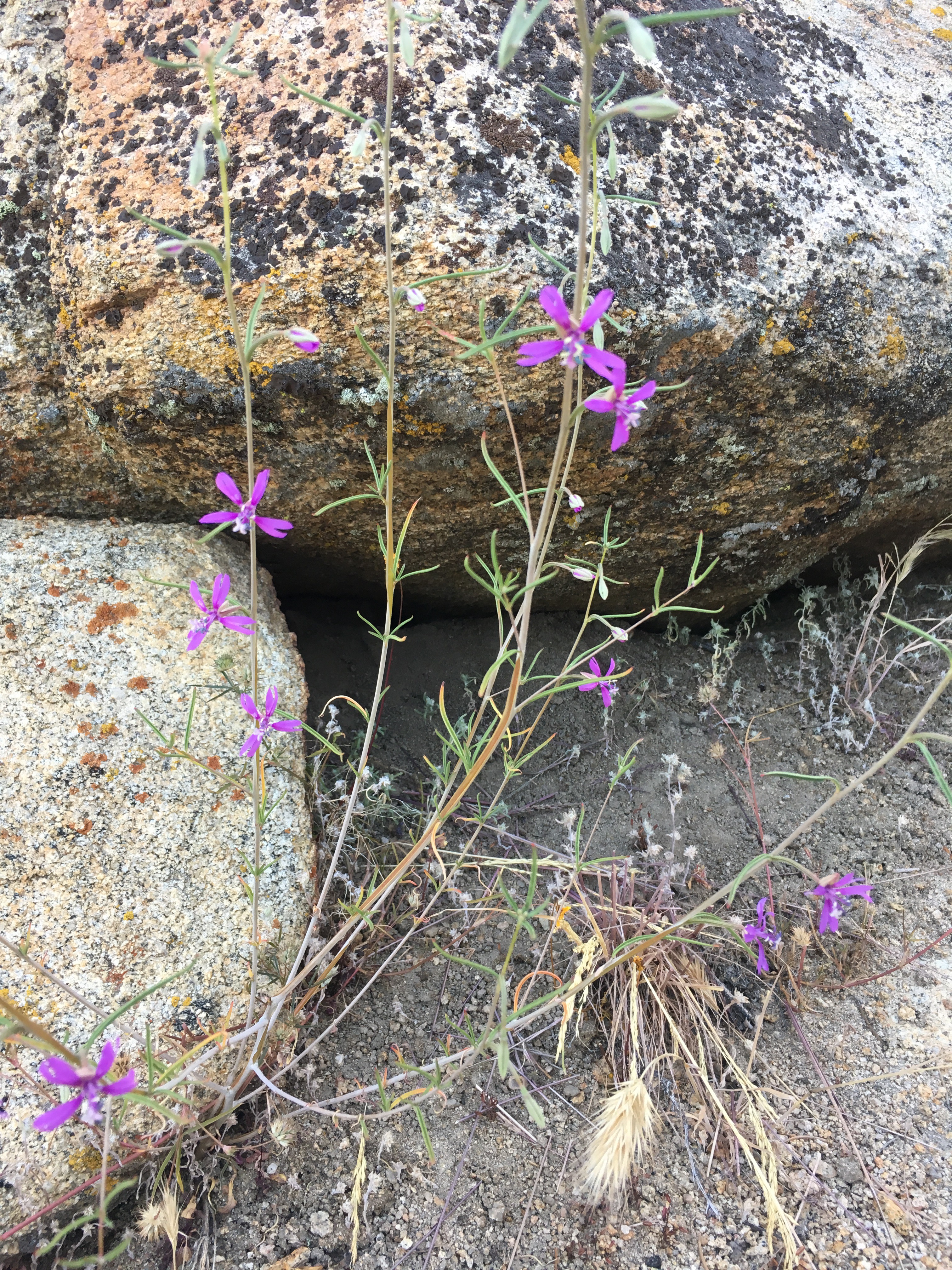
Two-lobe clarkia
Very few days passed that we didn’t come across a species of Indian paintbrush (Castilleja).  In fact there are so many species of Indian paintbrush and lupine that I could spend six months trying to identify individual species. But there are miles to be made and just not enough time for that. 

This is a particularly red Indian paintbrush. I wish I could give an explanation as to why it’s so red, if anyone knows I’d love to hear! This genus of flowers are pretty incredible. Not only are they capable of growing in unforgiving landscapes, they do so with very small leaves. So how do they photsythesize and get nutrients you may ask?
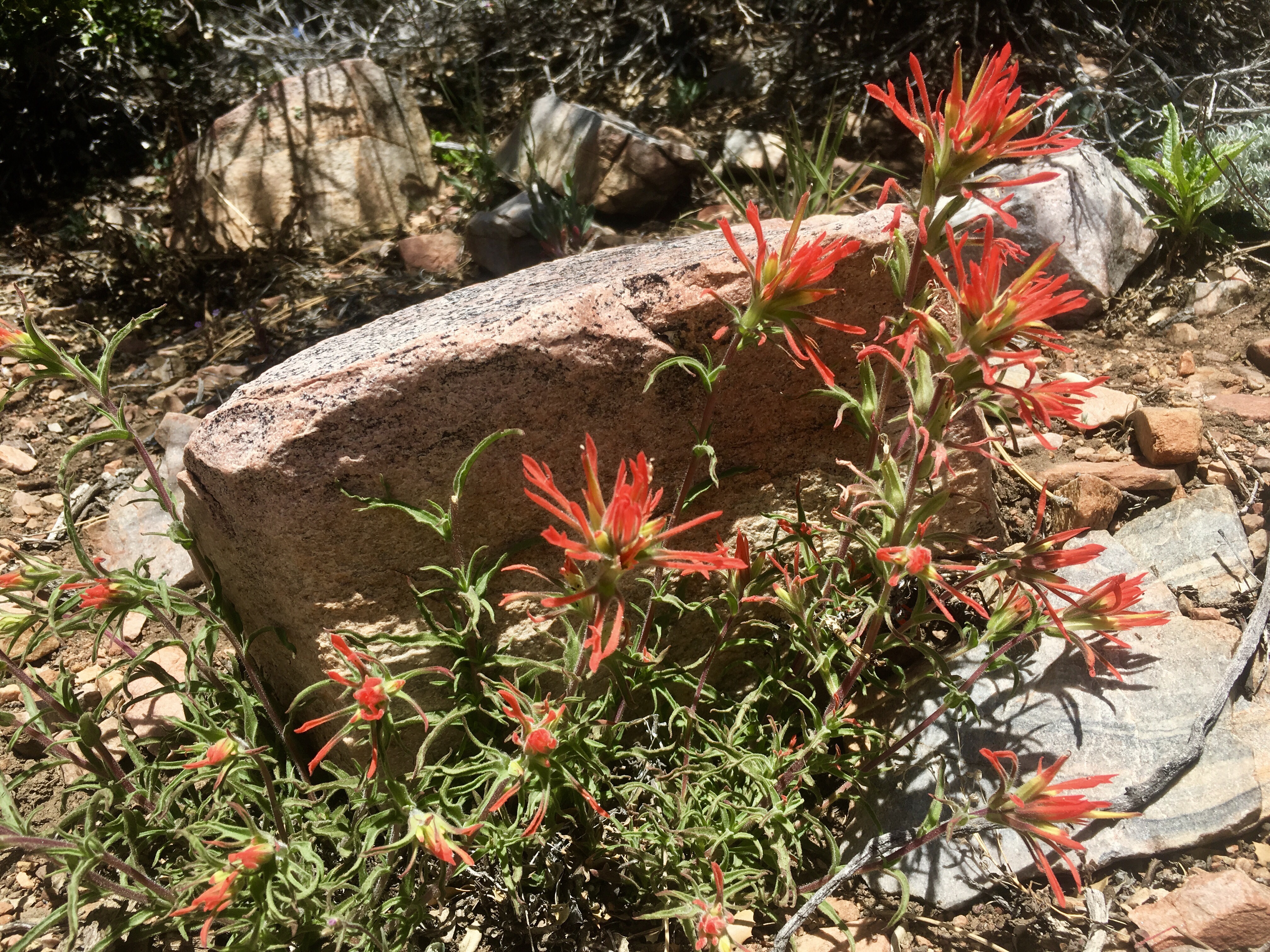

Castilleja species are parasitic plants. Their roots have tubes called haustoria that absorb moisture and nutrients from other plant roots it comes in contact with. 
There are many species of Penstamon, another species that seems to be one of the first to colonize recently burned sections.

Showy penstemon
Showy penstemon of a pink variety
 

This wishbone bush (Mirabilis laevis) is in the same genus and Colorado 4 o’clock identified in Part 1.  They are a wonderful pop of color in areas dominated by Joshua trees and sagebrush.

Wishbone bush

In our time out here I’ve only spotted this single red-rayed alpinegold (Hulsea heterochroma).

Red-rayed alpinegold

Scale bud (Anisocoma acaulis) is very common in the Southern California desert. It also happens to be the only known/identified species of its genus. 

Scale bud

This mountain beebalm (Monardella odoratissma) became more common as we approached Kennedy Meadows. 
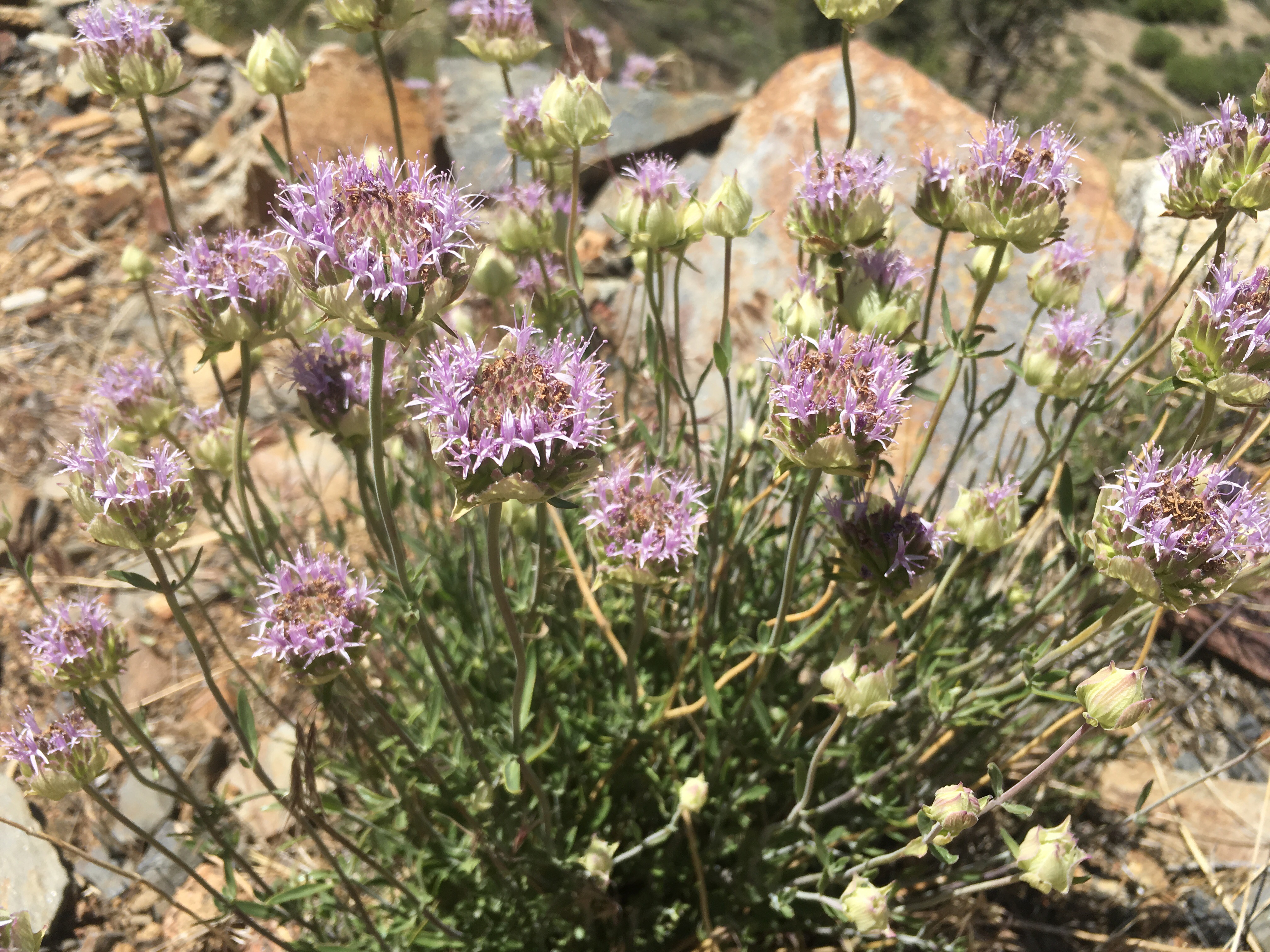
Mountain beebalm
This flower has a wonderful smell and like all other members of the mint family, has a square stem. 

And last, but certainly not least beautiful, is this speckled fairyfan (Clarkia cylindrica). 
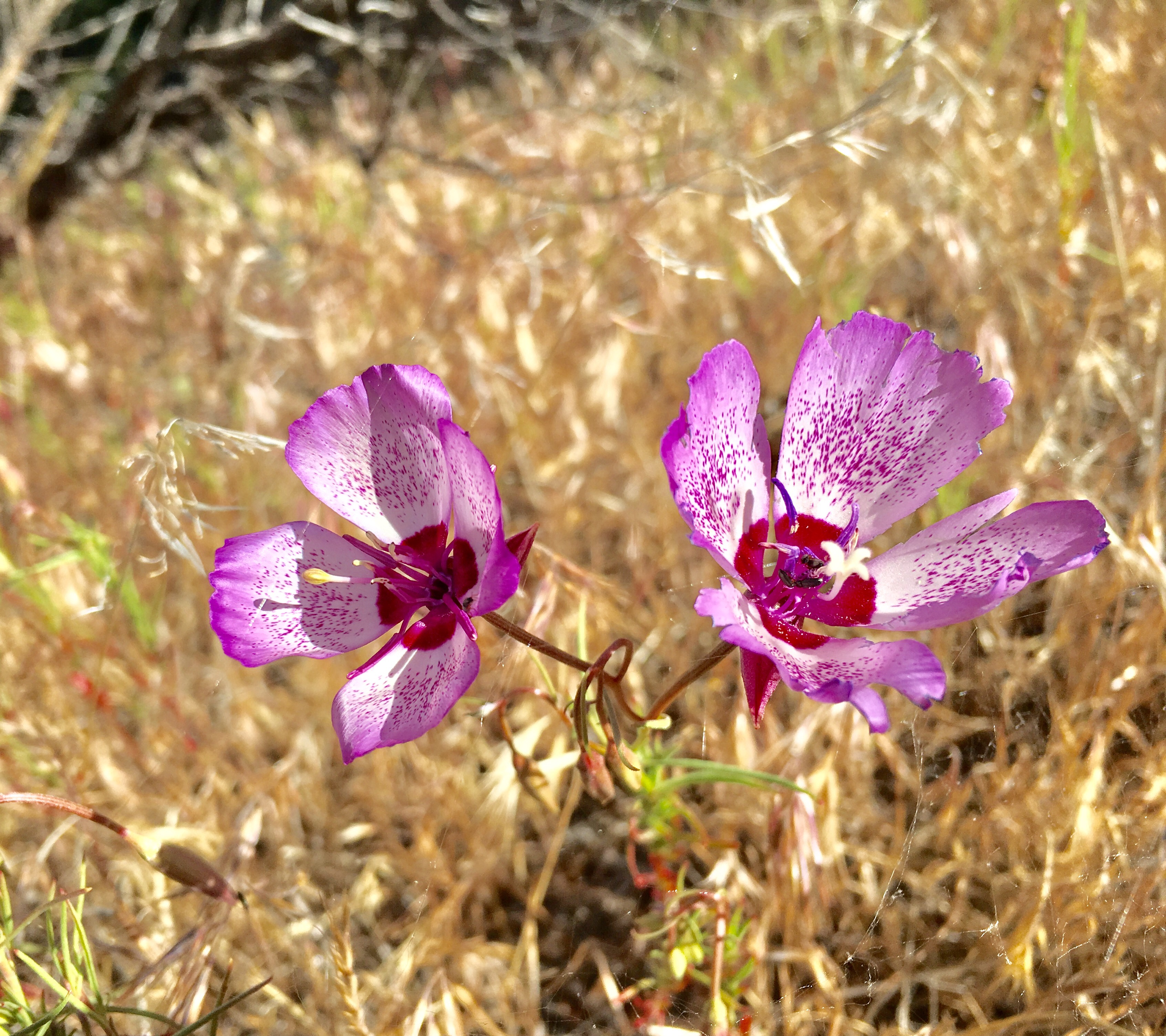
Speckled fairyfan

Day 18 – Mile 252.1, Big Bear Lake, CA

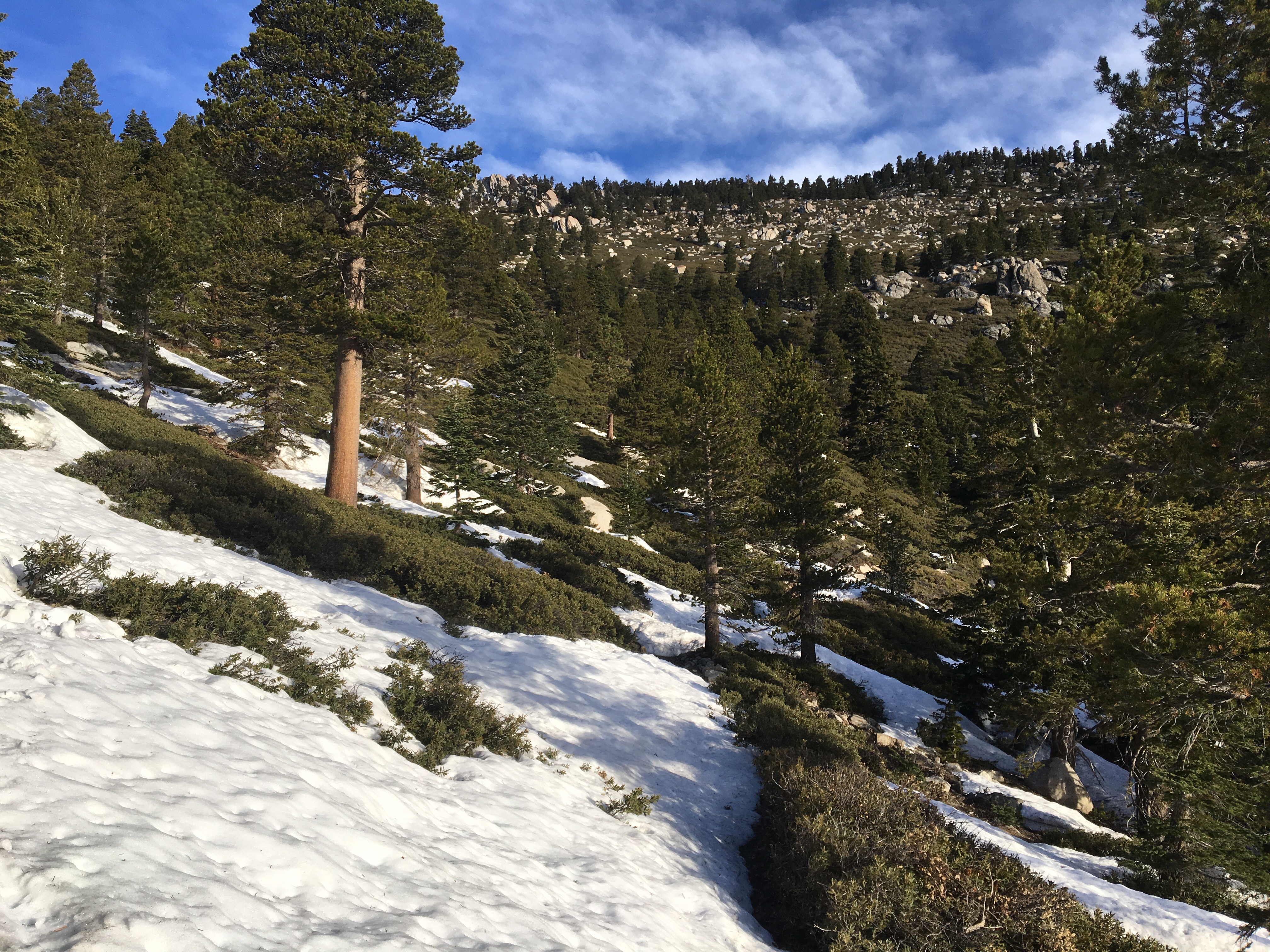
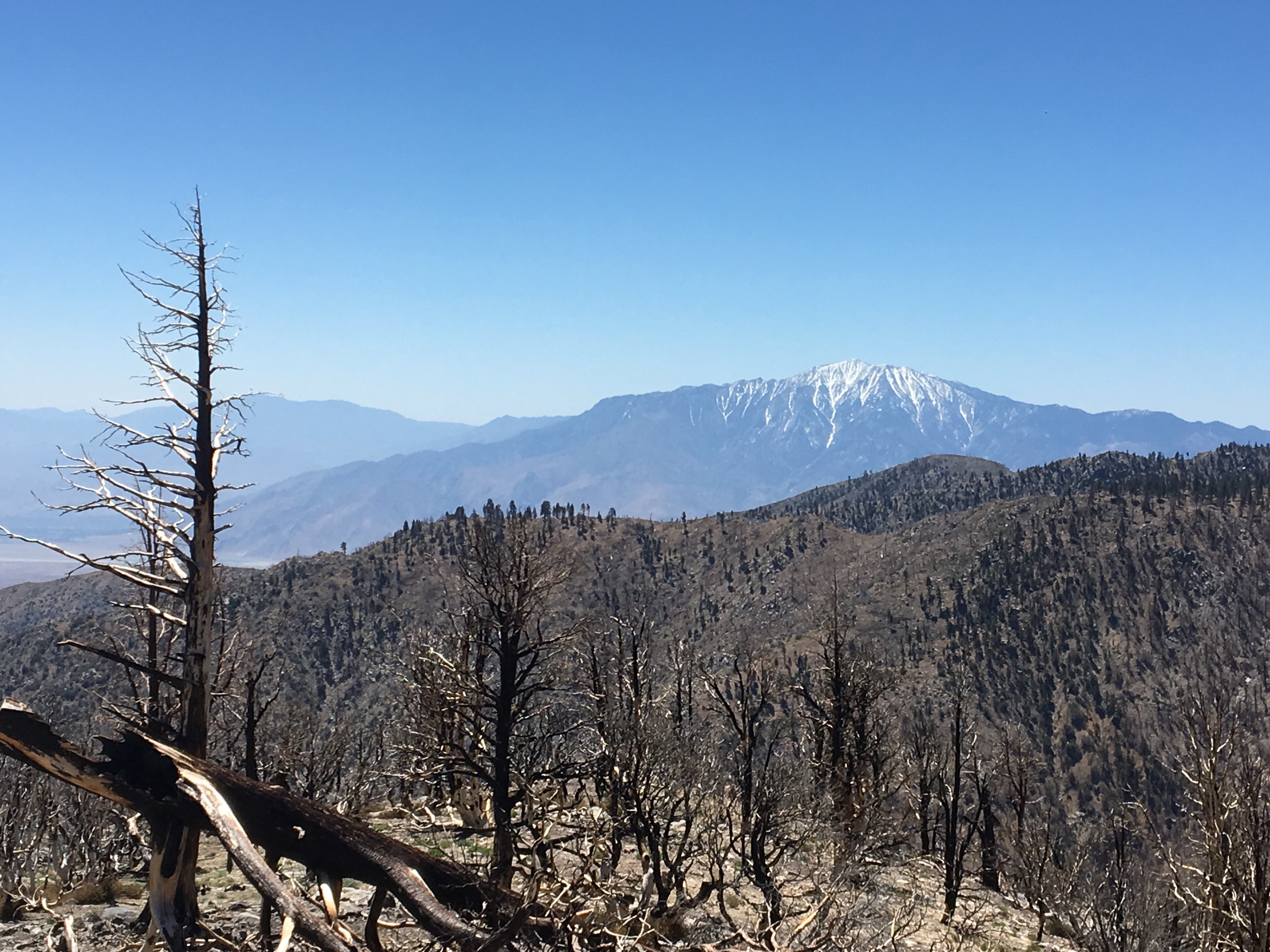
Another small section complete, with a variety of conditions ranging from near 1000′ and blazingly hot to near 11000′ and freezing on San Jacinto Peak.  Sand to snow.  Microspikes not needed, but used because we had ’em.

Day 12 – First zero day in Idyllwild, CA.  Stayed at the very hiker friendly Idyllwild Inn, cabin #5.  Had a nice wood fire in the fireplace both nights, quite the luxury.

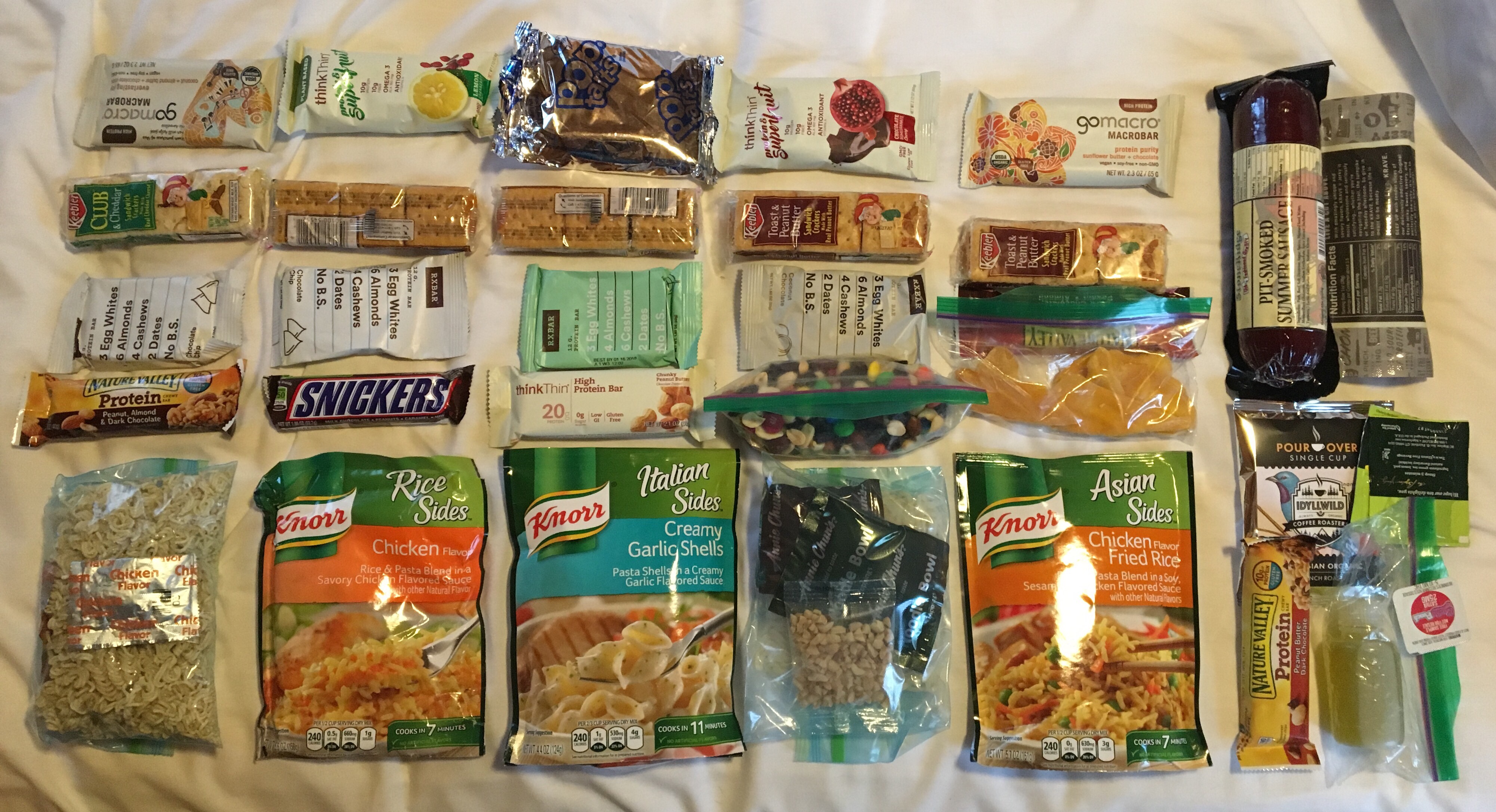
Five days of protein bars and pasta sides more or less. Still delicious.

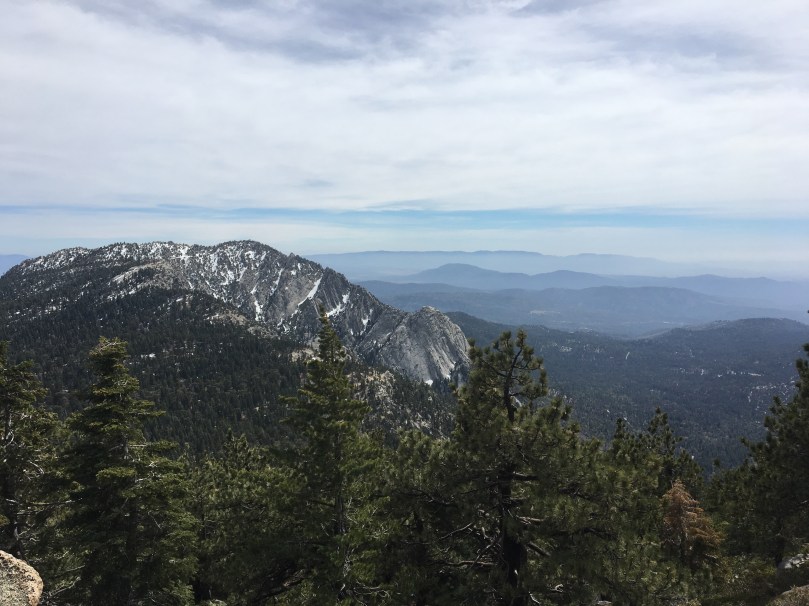
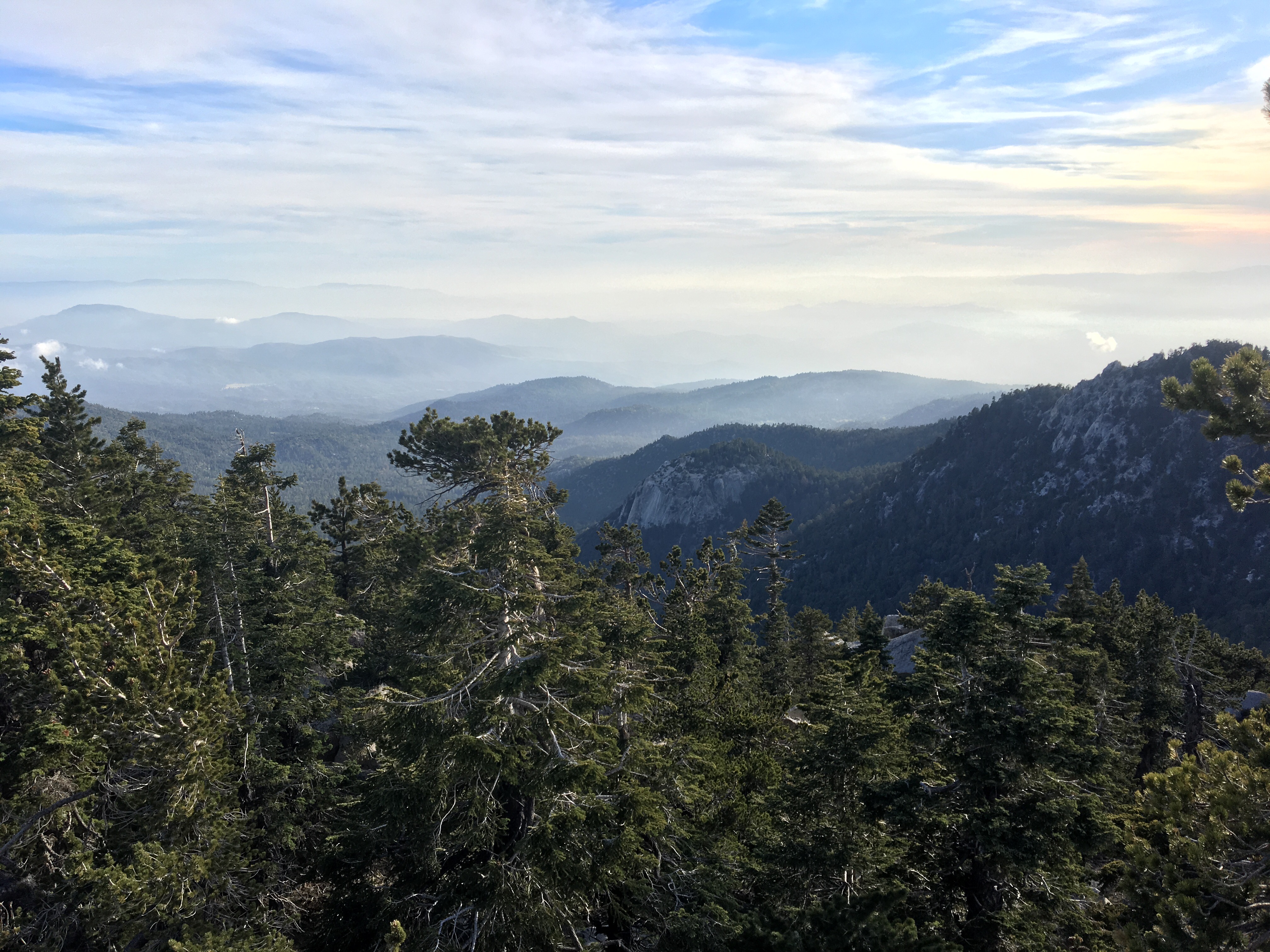
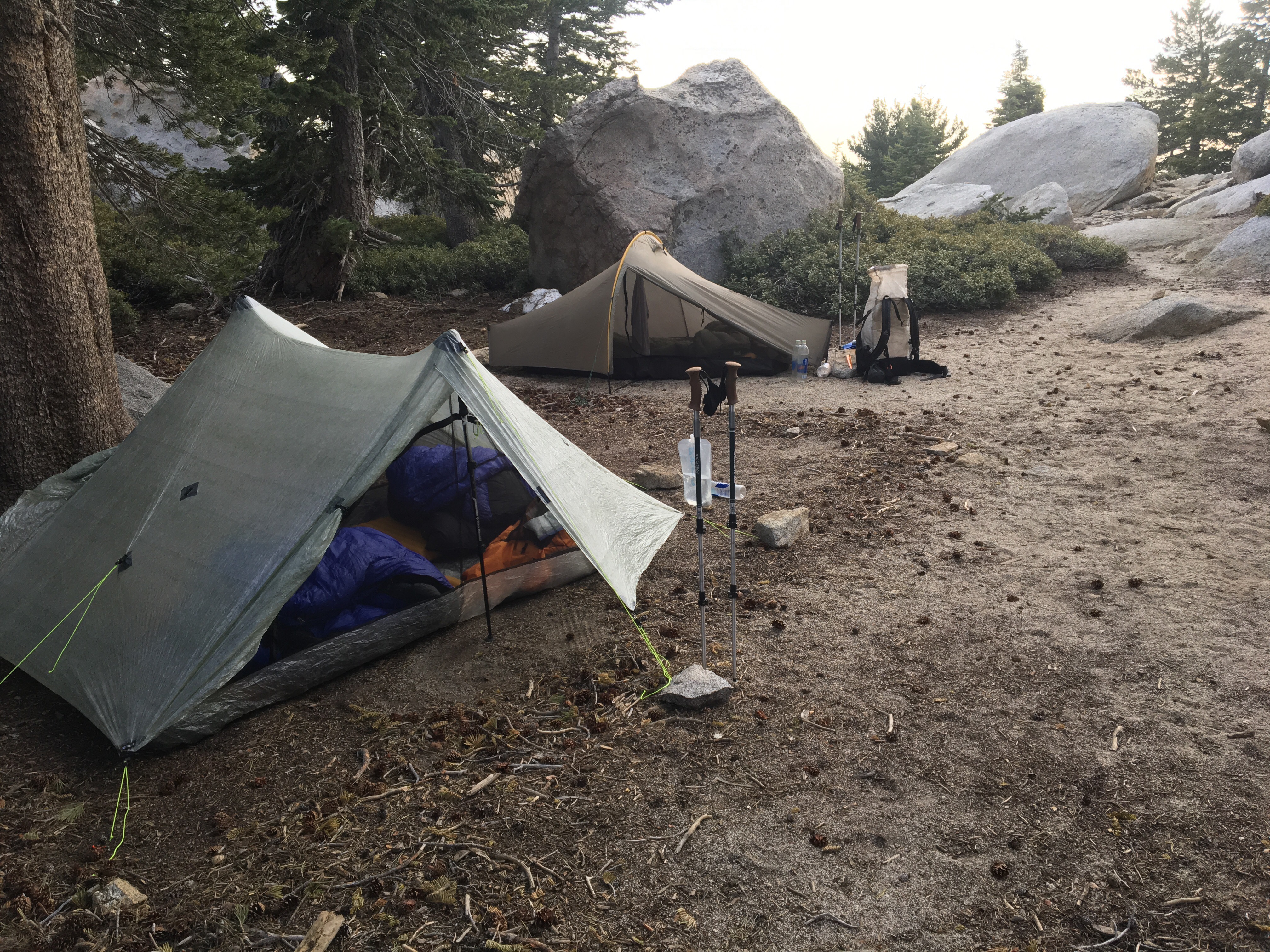
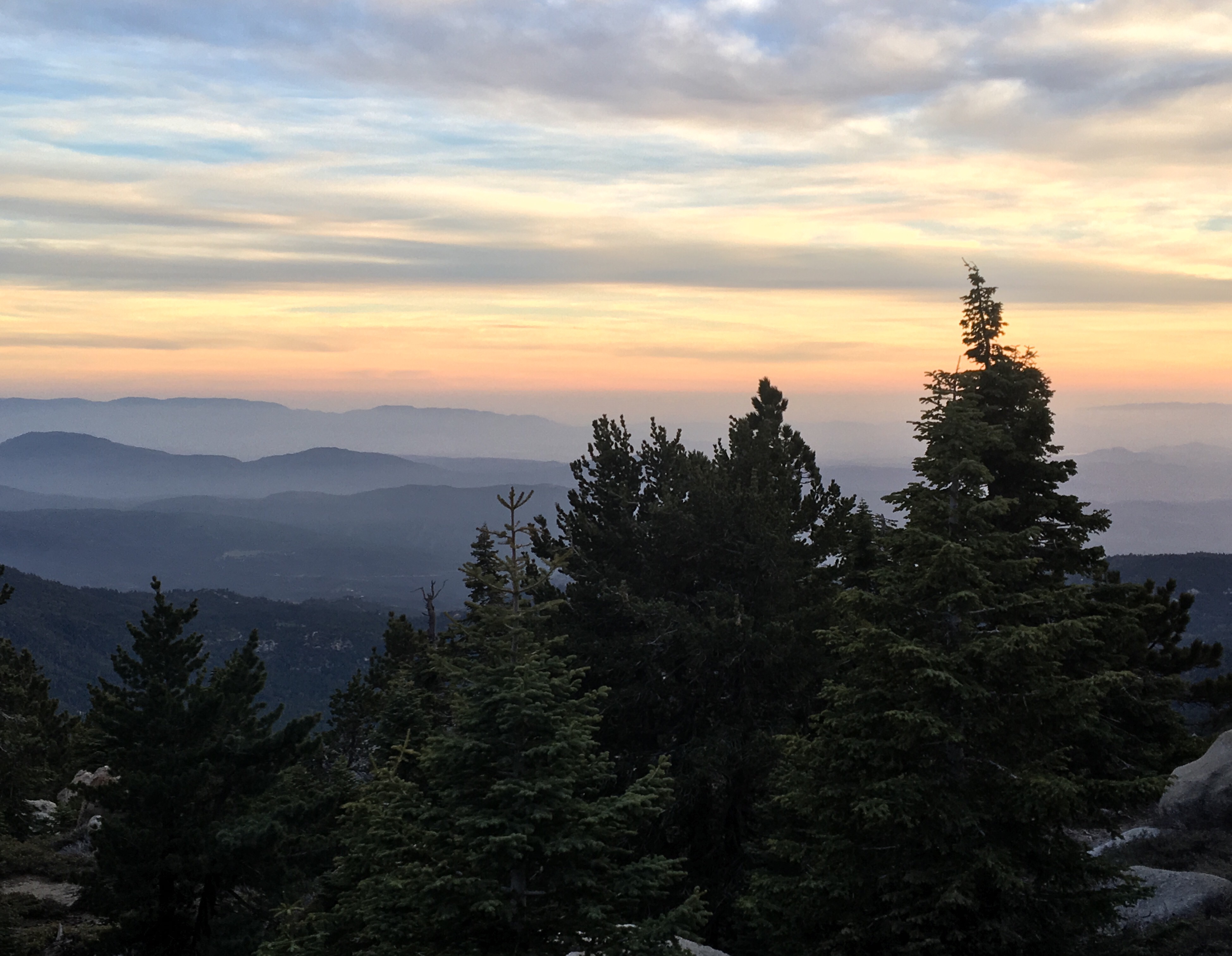
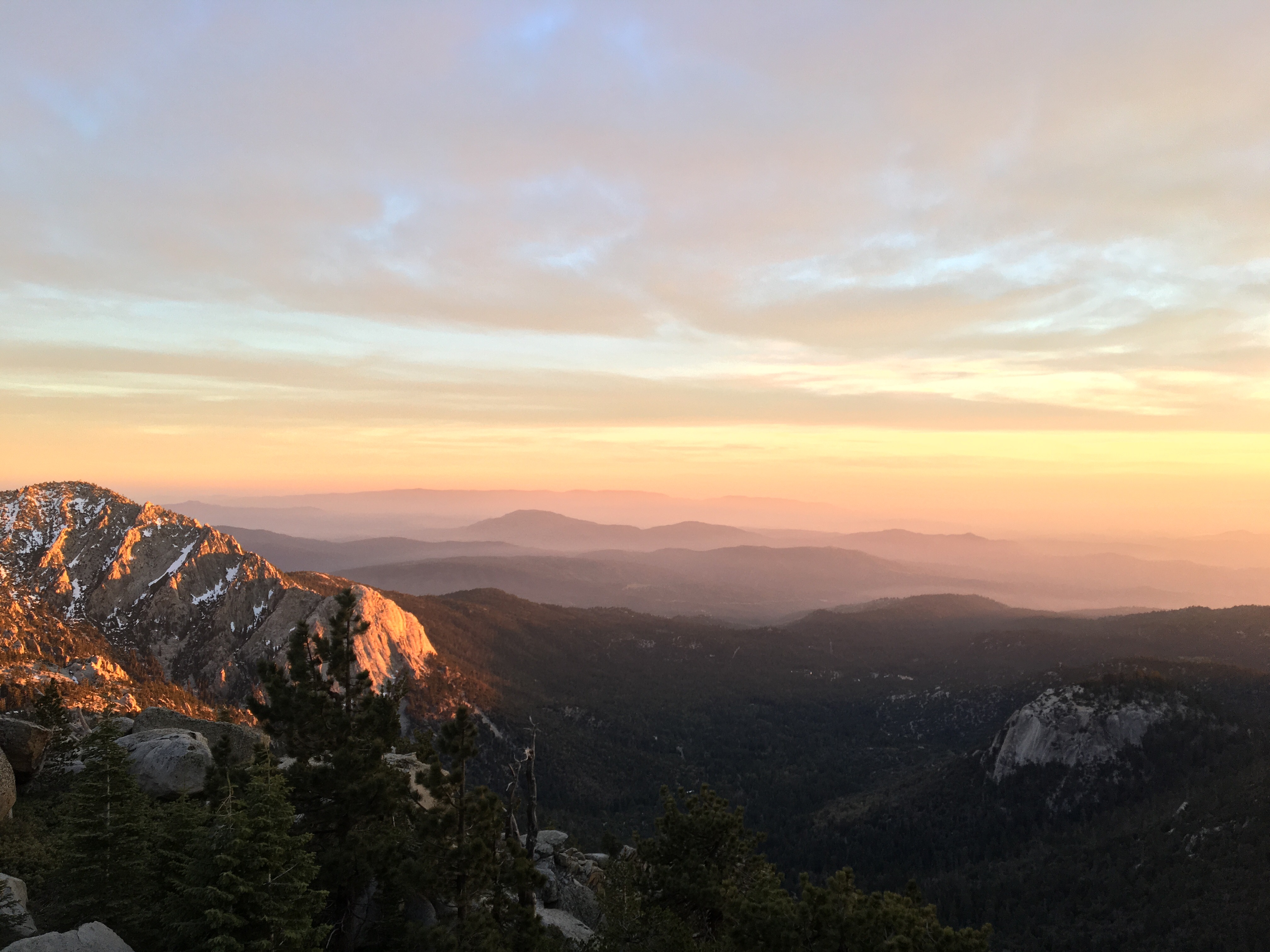
Day 13 – Blue blazed on the Devils Slide Trail back up to the PCT and camped at mile 180.8 – great views.  Short day but climbed several thousand feet up to our campsite which is at ~9003′.  Played around on the boulders until sunset.


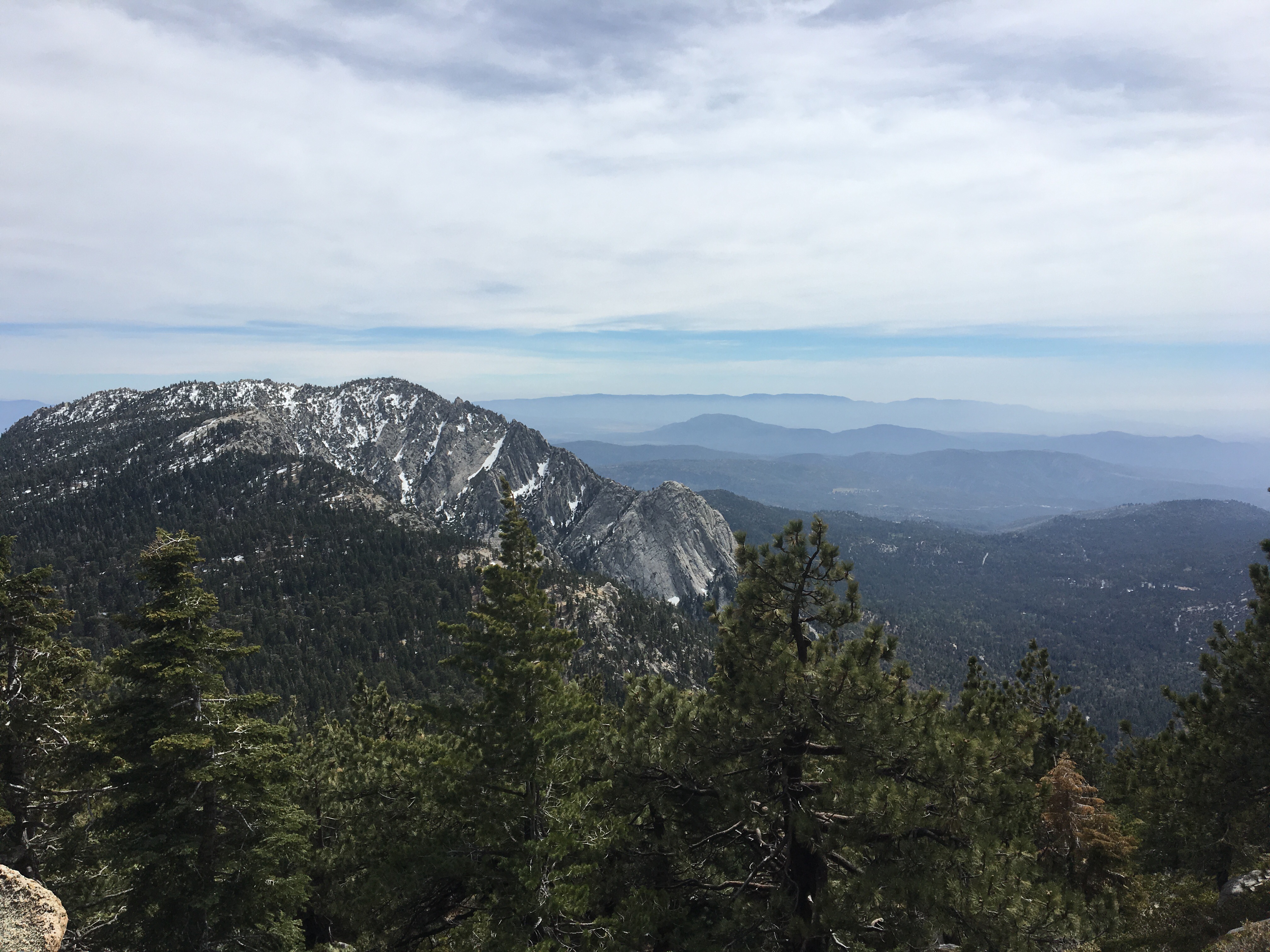
Montbell (their jackets) should totally use this photo.
Our campsite a couple thousand feet below the San Jacinto summit – all the other pics were from just past the rocks behind our site.

Day 14 – Started the day bagging the San Jacinto summit.  Fuller Ridge not all it’s cracked up to be, at least this “late” in the season!  The hype was unnecessary, especially if you have any basic snow hiking experience.  There was fall potential, but no significant exposure.  Camped at mile 193.6. 


Day 15 – Longest day of hiking yet at 25 miles.  Camped at mile 218.5, Whitewater Preserve, the closest thing to an oaisis I’ve ever seen – it’s an old trout farm that’s now a Preserve.  There’s palm trees, several ponds and the ranger we met was super friendly, offering outlets to charge stuff if needed, access to the dumpster and water spigot. Clean bathrooms with plumbing! Tons of day hikers and car campers here as well.

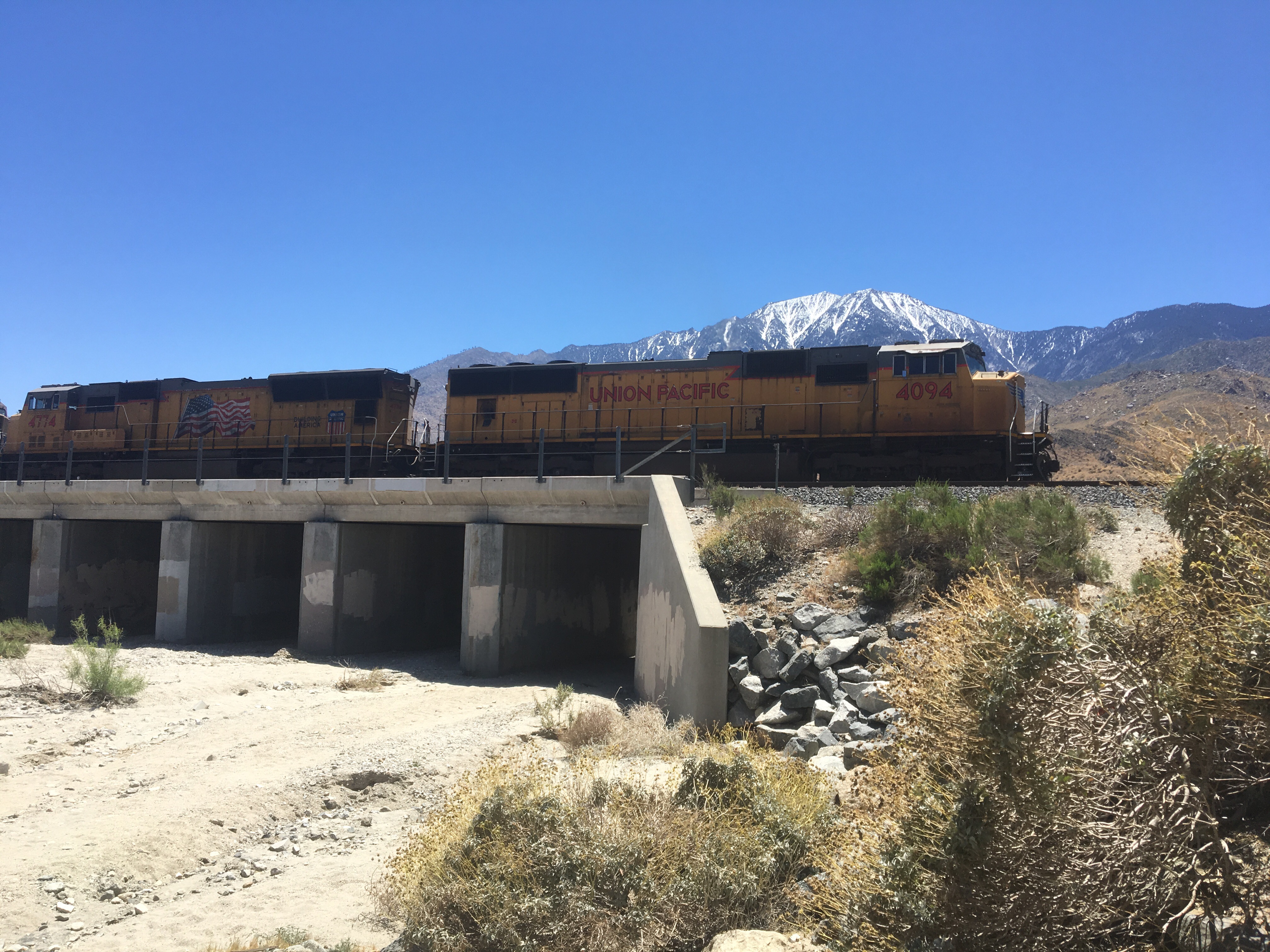
Hanging out under the I-10 underpass with water cache and cold beer.
View of part of the Mesa Wind Farm. They have a water cache and some shade for hikers at a service station near the trail.
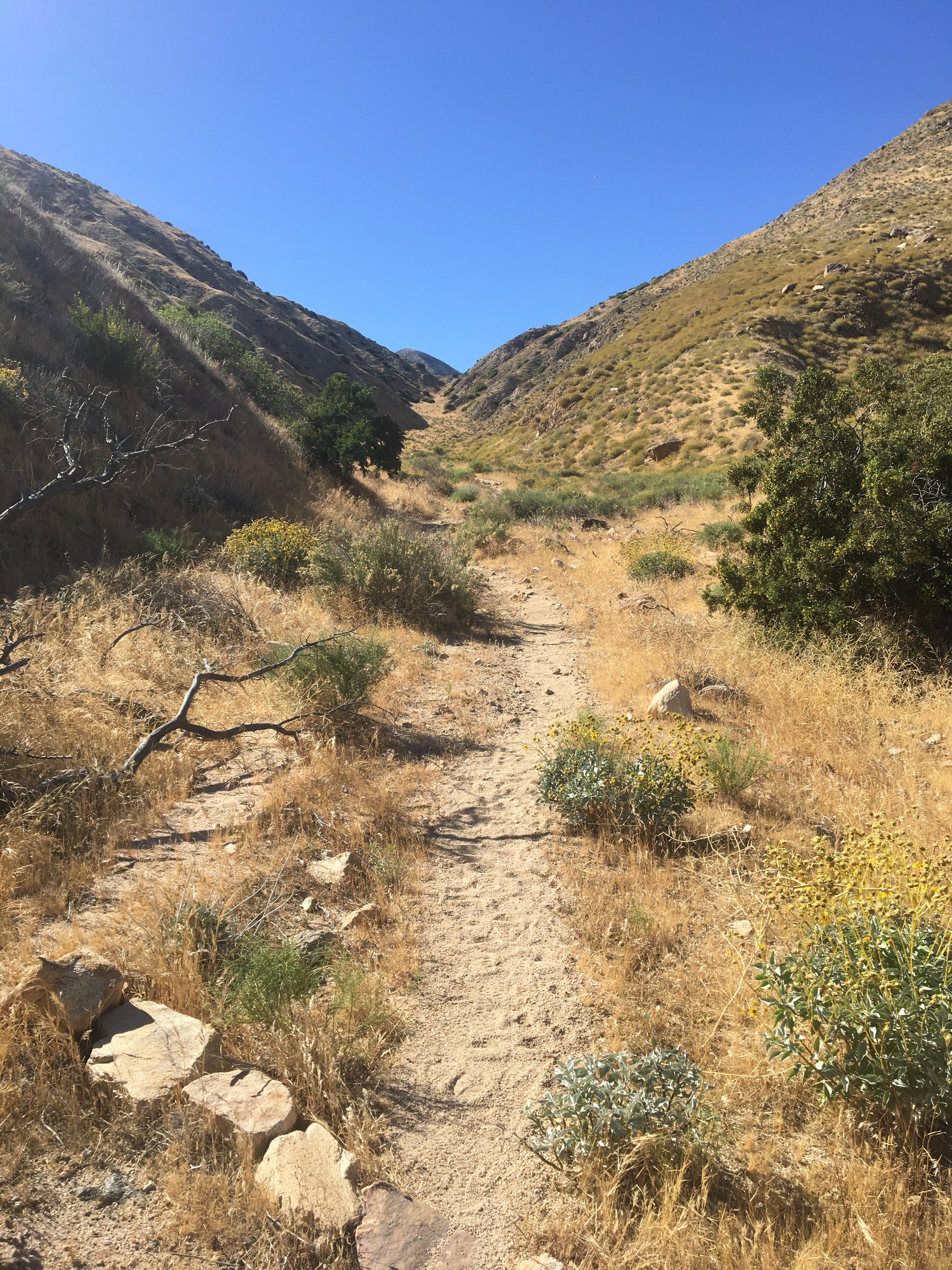
I promise this was steeper, hotter, and longer than it looks here.

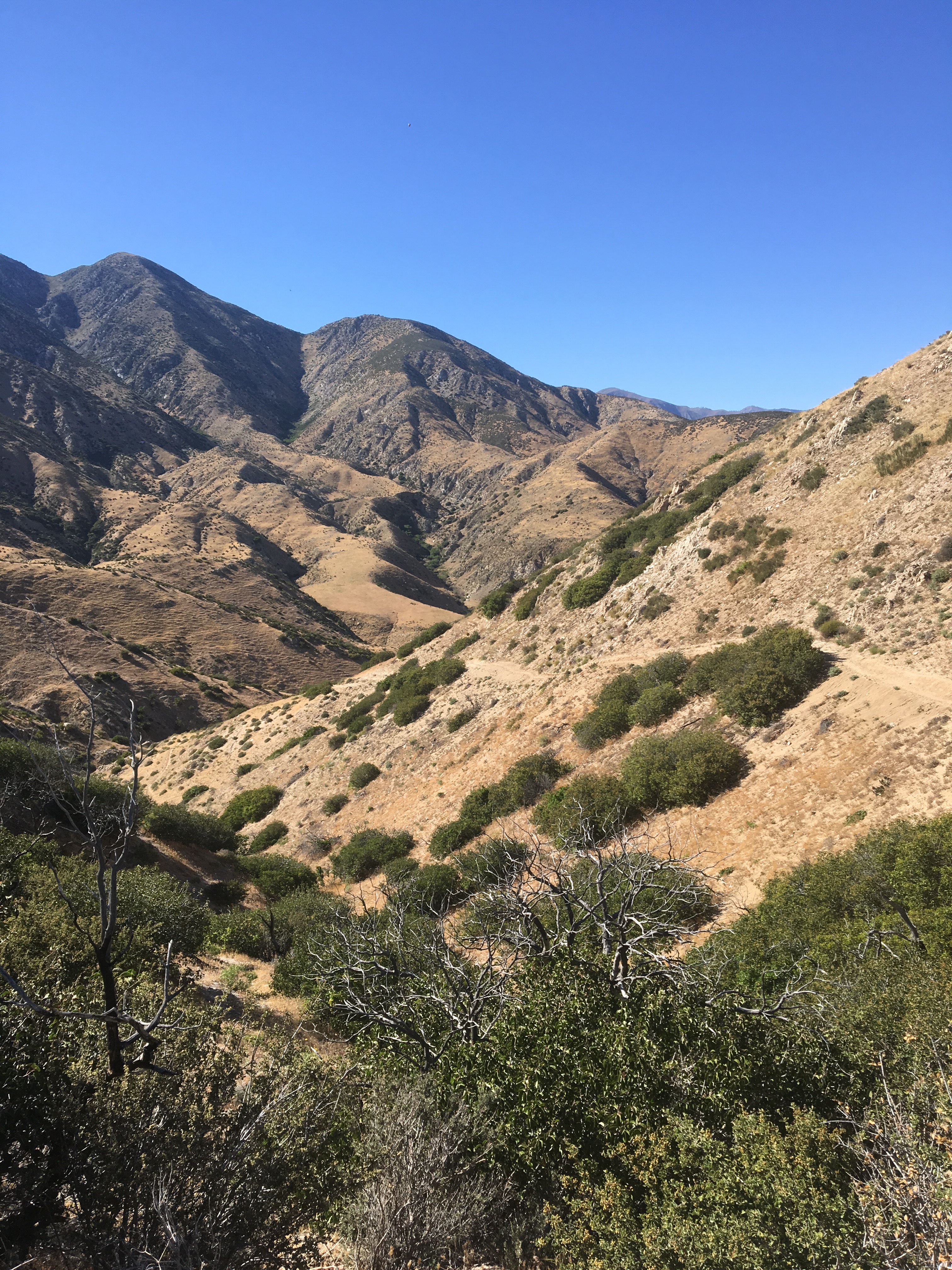
Day 16 – Slept in a little and paid for it – brutally hot today – 85-90ish all day with little wind and 3000’+ elevation gain.  Hiked by Mission Creek all day, so water was plentiful at least.  Camped at mile 235.5.
Day 17 – Shorter day today and much more shade, walked through the Lake Fire section and camped near Onyx Summit.

Sara siesta.

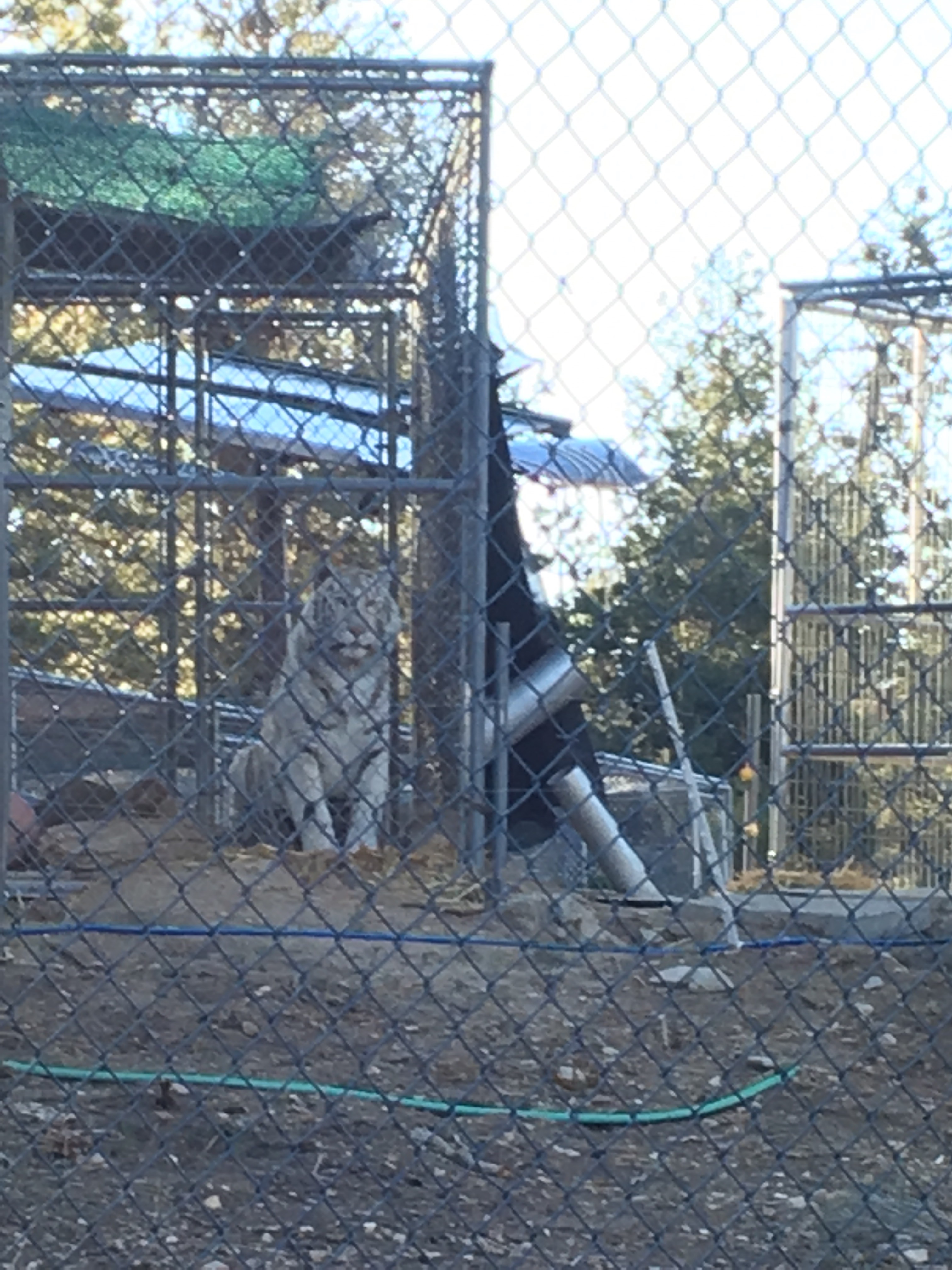
Day 18 – Saw a white tiger and grizzly bear today, at a private zoo the PCT passes by… apparently the animals have been used in Gladiator and a bunch of other movies.  Hitched into Big Bear Lake from Onyx Summit to resupply and spend the night.

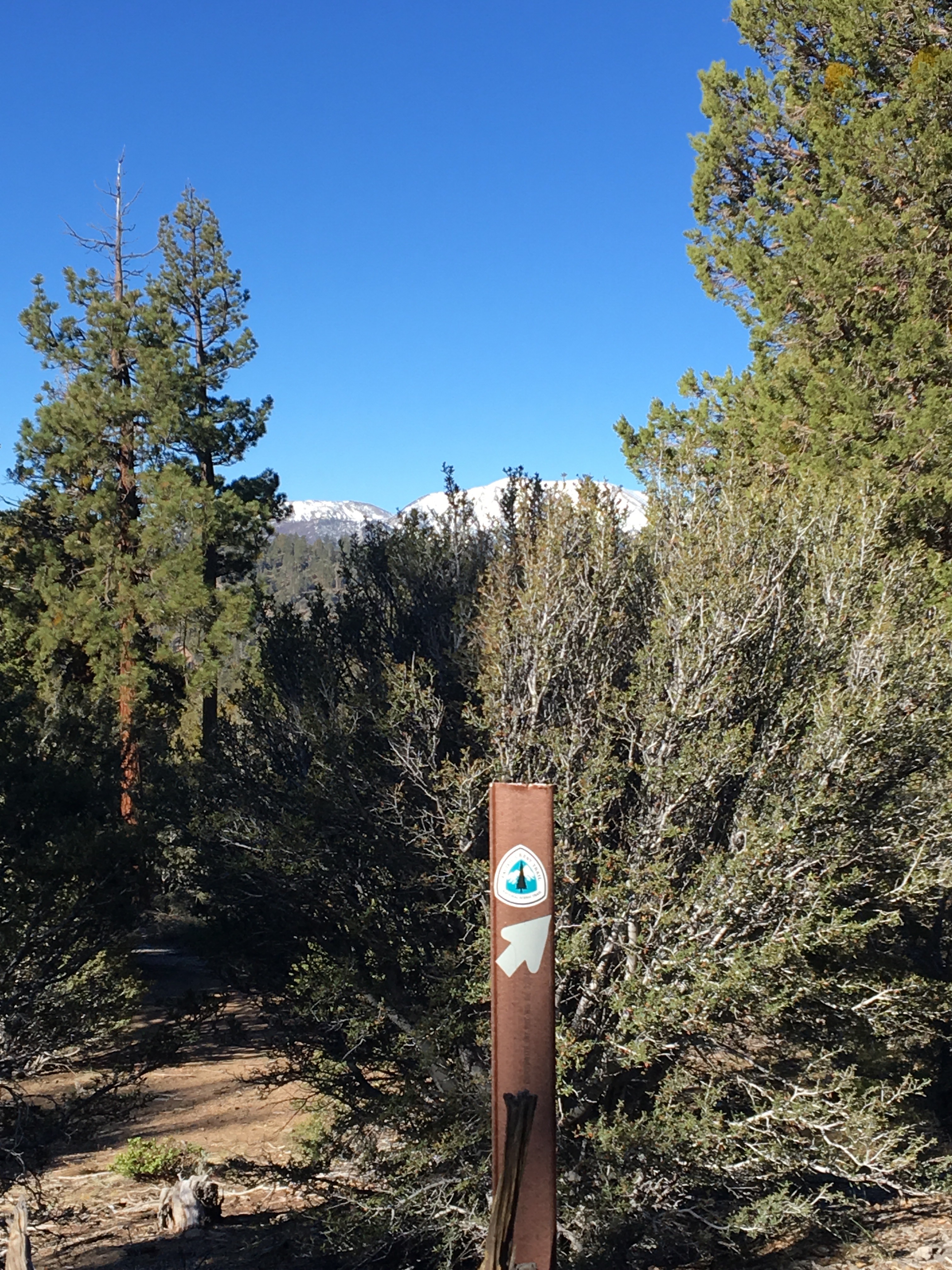
Looking forward to the next few days being a bit cooler, higher, and more wooded.

Resupply Boxes and Other Prep

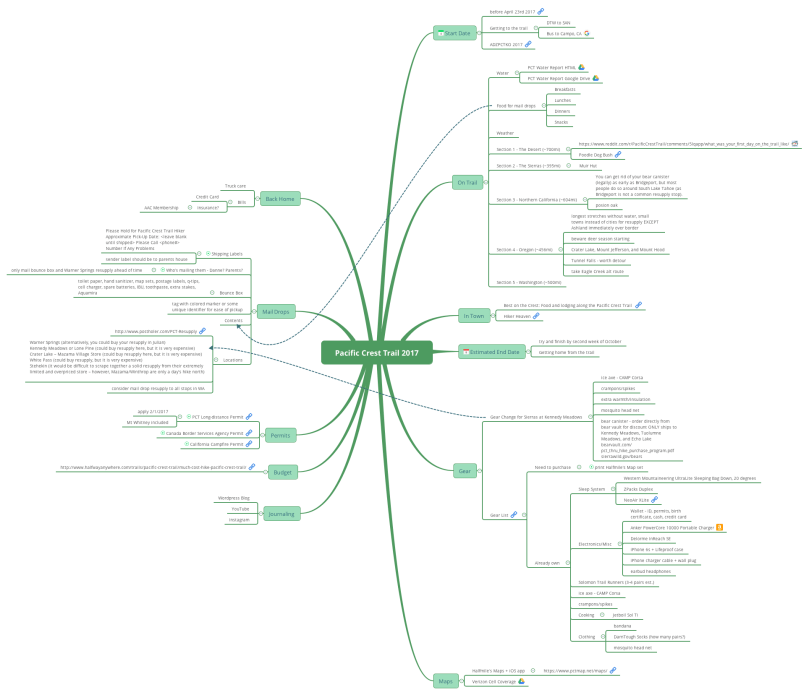
Some people just start a thru hike.  That’s fine.  It’s also not me – I find it fun to plan and prepare the logistics for a trip.  Sometimes I overdo it.  I created this in XMind over the winter one weekend to start gathering a to-do list of sorts for the trail.  After awhile I stopped updating it as I moved the most relevant stuff into Google Docs/Drive.

Pacific Crest Trail 2017.png
Unnecessary?  Probably.  But it was fun and helped organize my thoughts.

Much of what I’ve read indicates you don’t need more than a couple resupply boxes to start – prep one for Warner Springs and Kennedy Meadows and figure out the rest on the trail.  We ended up prepping 10 boxes regardless, based on the results of the 2016 Halfway Anywhere survey.  I figure even if we scrap most of them, we end up with some food after the trail for weekend trips.  Or just a bunch of extra munchies.  Either way, I expect to modify our resupply strategy sometime mid hike.  For now the boxes are headed to the following spots:

  1. Warner Springs (mile 110)
  2. Kennedy Meadows (mile 703)
  3. Sierra City (mile 1198)
  4. Crater Lake/Mazama Village Store (mile 1830)
  5. Big Lake Youth Camp (mile 2002)
  6. Timberline Lodge (mile 2107)
  7. White Pass (mile 2303)
  8. Snoqualmie Pass (mile 2402)
  9. Stevens Pass/Skykomish (mile 2476)
  10. Stehekin (mile 2574)

Like most, were using USPS flat rate boxes.  Food wise we have a mix of bulk foods, home dehydrated fruits, and some bulk order freeze-dried fruit/veggie/meat combo packs.  In the boxes we have a mix of the following meals/snacks concoctions:

  • RXBARs
  • Oatmeal with Nido, dried fruit
  • Instant mashed potatoes from Costo (tasted better than the Idahoan brand) with dried kale, jerky, misc freeze-dried veggies
  • Gummy worms, gummy bears
  • Peanut butter
  • Snickers – I’ve heard these are mandatory and work as currency
  • Trader Joe’s Chocolate covered espresso beans
  • Ultima Replenisher Electrolyte Powder
  • Couscous or ramen with misc freeze-dried veggies
  • Nature Valley protein bars (yay Costco)
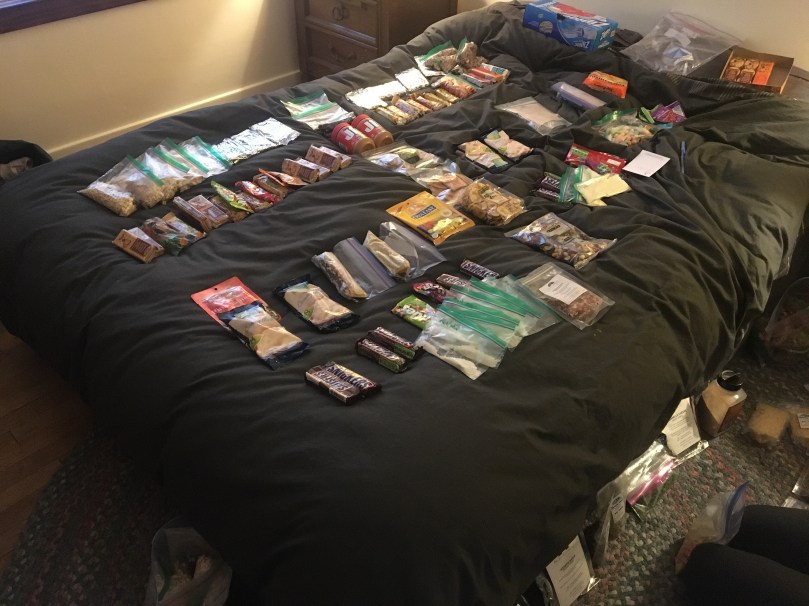
We laid out each day of food, in each box, for each of us.  This is the beginning of an 8 day resupply box.
Oatmeal is my go-to breakfast off trail, but I’m sure I’ll start hating it eventually.
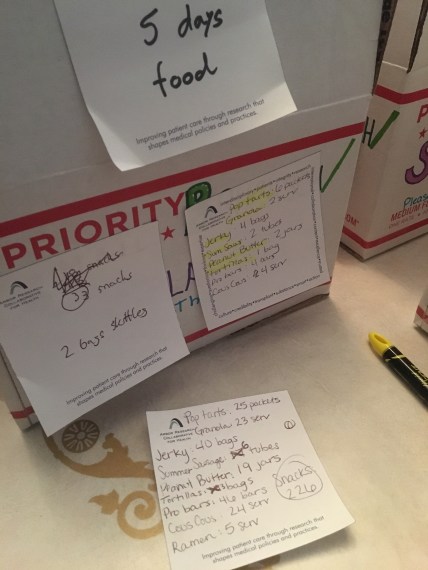
One of the hardest parts was filling in the last few items needed in each box.  Sara has much neater notes than I.

We used the medium and large boxes for the food.  The exception being the Kennedy Meadows box, which has the above but also has to fit the ice axes, crampons, BV500 and other items for the Sierras.   I’ve got spare shoes, socks, insoles and a few other items on standby to ship out as well if I decide to switch up some layers.
Aside from all that I’m moving my life into a basement and garage, prepping my truck for storage, and getting ready for the lifestyle shift.  As for the actual start of the hike we’re lucky to have some friends that will be joining us in San Diego the week prior to our start – they’ll drive us down to the Southern Terminus.

PCT 2017 Starting Gear List

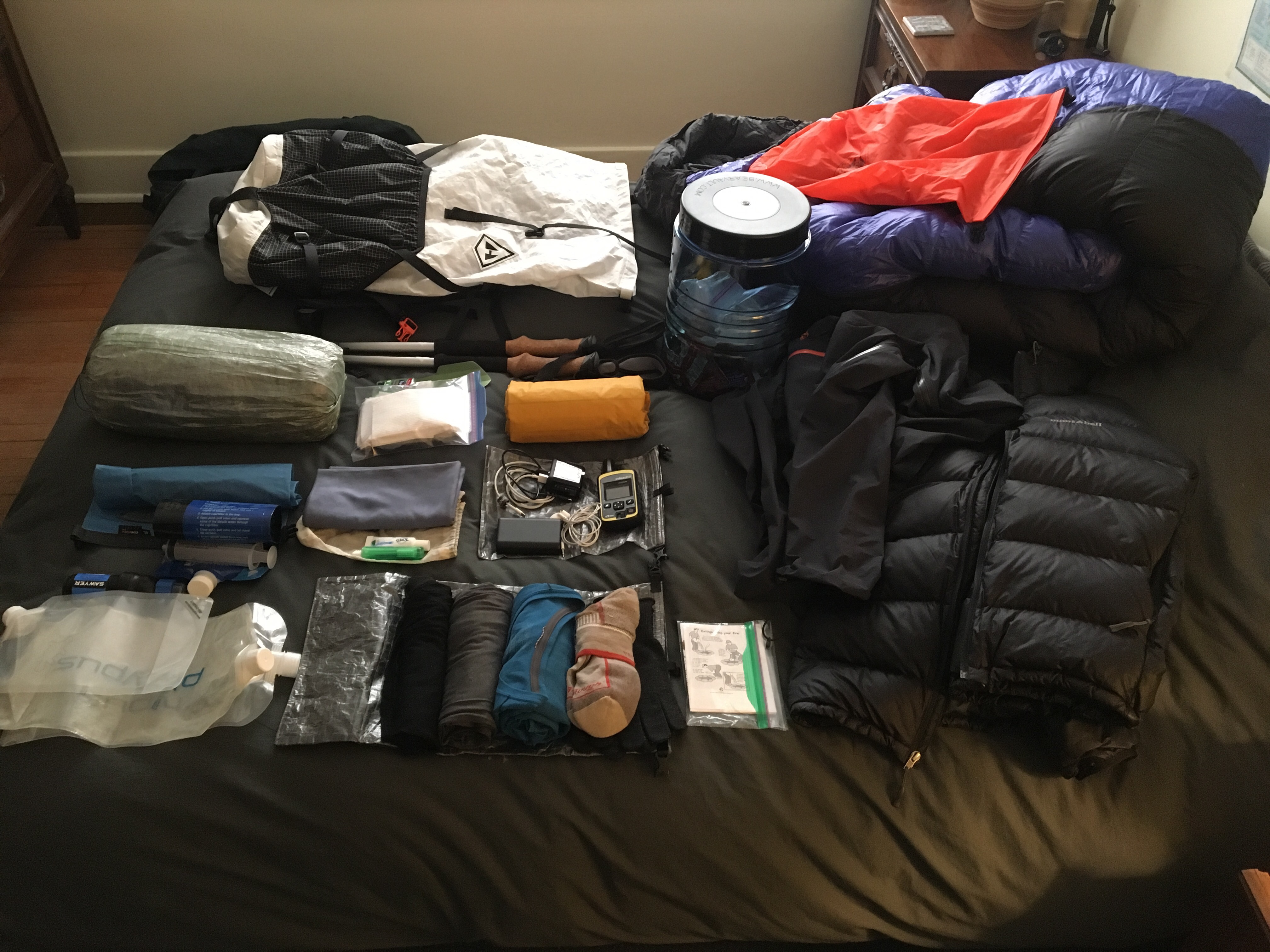
I’ve got some past experience with long distance hiking, so I’d like to think this list won’t change much.  It will though, I’m sure – already considering going stove less at some point in the hike, following Sara’s lead.  For now, this is what I plan to take with me on my 2017 northbound attempt.

Gear List (LighterPack)

Base weight: ~15lbs

A little weight will be added in the Sierras for the BV500, Kahtoola MICROspikes, CAMP Corsa Ice Axe, and possibly snowshoes, depending on snowpack this year.  Since this year is a little unusual weather wise, we will determine what gear to bring when we hit the Sierras sometime mid June.

I also have some flexibility in my gear.  Through working in the outdoor industry and general nerding out over gear, I’ve accumulated a plethora of backpacking gear over the past several years.  This gear sits in boxes at my parents house, ready to ship out if I want to change something up.  This flexibility gives me peace of mind as the start date draws ever closer…

PCT Q&A

What is it?

The Pacific Crest Trail is a long distance hiking trail spanning from the southern border of the United States with Mexico near Campo, CA to the northern border with Canada near Manning Park, BC.  It follows the Sierra Nevada and Cascade mountain ranges through California, Oregon, and Washington.

How many miles is it?

2660 miles or 4281 kilometers, plus all the road walking, any re-routes, and Mt. Whitney side trail

How long is it going to take?

Somewhere between 5-6 months, depending on our side trips, health, and the trail conditions.  We are planning on taking a few zero days in San Francisco to visit some friends and then again in the Portland area for the eclipse in August.

How much will it cost?

We’re expecting to spend ~$5,000 each over the course of 6 months.  Since I’m not paying rent during the trip, just a storage fee, my bills are next to nothing.  Looking at it another way, this is pretty similar to my average monthly living expense while not hiking.  A lot of people spend $1000+ per week on vacation, so this is cheap in comparison.

Where will you sleep?

On the ground, in our tent.  Or cowboy camping out in the open on some nights.  Unlike the Appalachian Trail there aren’t any shelters along the trail.

What about food and water?

We’ll be carrying food in ~3-8 sections and stopping in various towns along the way to resupply.  Our diet will consist of freeze-dried and dehydrated foods, peanut butter, snickers, candy, chips, tortillas, cheese, jerky, instant potatoes and just about anything else that gives us the calories, fat and protein we need to hike.  There’s a handful of places where resupplying in town is prohibitively expensive, not available, or poor selection.  We’ll be sending pre-packaged resupply boxes to those locations.  More on that here.

Water is scarce on a lot of parts of the trail.  Thankfully there’s great info on our map set and online from previous years, along with PCTWater.com which provides a Google Spreadsheet regularly updated by hikers and locals.  Water sources range from desert cisterns to waterfalls, to caches left by trail angels.  We’ll each be carrying anywhere from 2 – 8 liters of water at any given time.  All water will be filtered with a Sawyer Squeeze.

Why do it?

For the mental and physical challenge, the incredible scenery, sleeping outside more in a regular sleep cycle, skewing my work/life balance in favor of life, never been to California.

That sounds nice, I wish I could do something like that.

You probably can.  Save money, it will happen eventually.  It’s taken me years to arrange life for a thru hike.

Must be nice to have a trust fund.

Nope, don’t have one.  Just worked off and on since I was 14.  Saving a little bit here and there goes a long way.  As mentioned above, a thru hike costs roughly as much as normal living expenses over the same period of time.

Aren’t you going to get sick of each other?

Maybe at times.  But why should that discourage us from going?

But what about insurance?

On a more serious note, this is probably the hardest question to answer.  It seems like a lot of thru hikers either go with no insurance, their spouses cover them, or lately, using a HealthCare.gov plan.  No one is sure what will happen with healthcare at the moment, but Sara is using an ACA plan for now and I plan to as well.  My work insurance will cover me for a little while at least.

If you have any other questions, feel free to ask in the comments!